


The automotive landscape of the United Arab Emirates demands a rigorous approach to vehicle maintenance, particularly for Crossover utility vehicles. These vehicles combine passenger car comfort with SUV capability, yet they face extreme thermal stress and abrasive environmental conditions. High ambient temperatures accelerate chemical degradation in fluids and thermal expansion in mechanical components. Neglecting the specific demands of this climate leads to premature wear and potential mechanical failure.
The Thermal Stress Factor on Engine Components
The primary adversary for any vehicle in the UAE is heat. The engine operates significantly hotter than in temperate climates, causing the oil to thin and lose its lubricating viscosity. This reduces the film strength between moving parts, leading to increased friction and metal-on-metal contact. Over time, this friction generates microscopic debris that circulates through the oil filter and engine galleries, increasing wear rates.
A compromised cooling system is the most frequent cause of crossover failure in this region. The radiator and condenser are often clogged with desert sand, which restricts airflow and prevents heat dissipation. If the cooling system cannot maintain operating temperatures, the engine risks thermal runaway. This condition can warp cylinder heads or blow head gaskets, resulting in catastrophic engine failure that renders the vehicle undrivable.
Fluid Management in Extreme Heat
Fluids in a Crossover serve as the lifeblood of the machine, but their chemical stability is heavily influenced by temperature. Engine oil breaks down rapidly when exposed to sustained high heat, losing its ability to clean and protect. The recommended service interval for engine oil in the UAE is typically between 5,000 and 7,500 kilometers due to these thermal conditions. Delaying an oil change allows the formation of sludge, which can block oil passages and starve critical components of lubrication.
Transmission fluid experiences similar thermal stress, though it is often overlooked. Automatic transmissions in modern Crossovers generate substantial heat through hydraulic operation. If the transmission fluid is not flushed or topped up according to the manufacturer's schedule, the fluid can oxidize and form varnish. This varnish builds up on valve bodies and sensors, leading to erratic shifting patterns, sluggish acceleration, and eventually transmission slipping.
- Coolant Antifreeze: This fluid prevents the engine from overheating and the radiator from freezing. In the UAE, coolant can become acidic over time, leading to corrosion inside the cooling passages. A coolant flush every two years is essential to prevent leaks and radiator blockage.
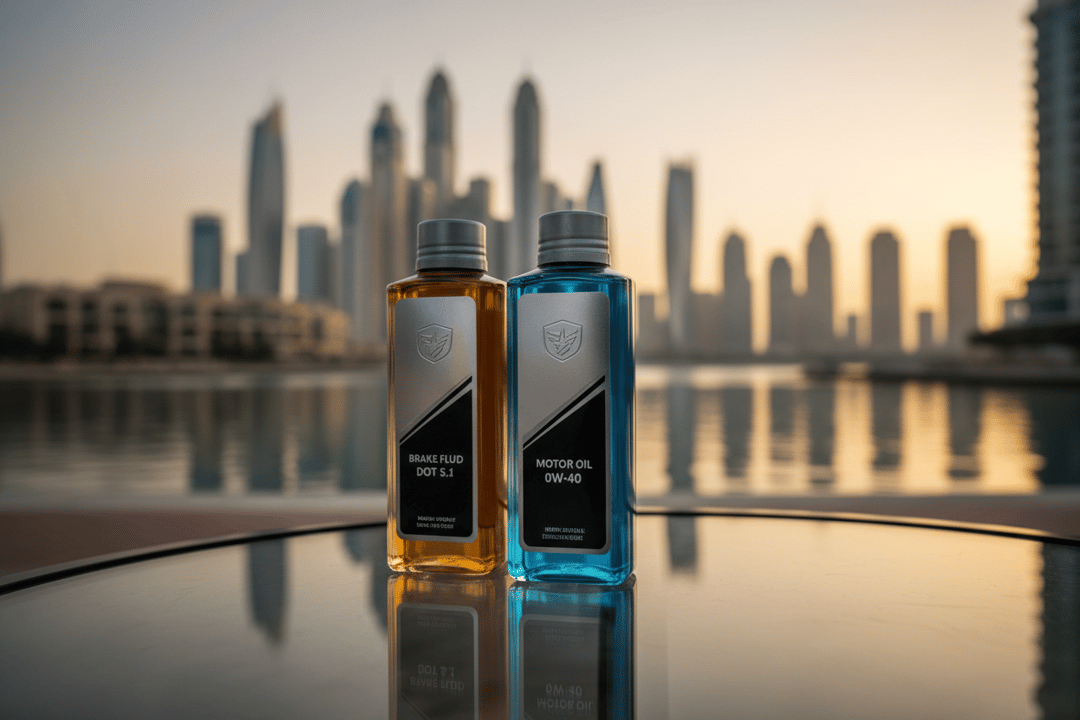
- Brake Fluid: Brake fluid is hygroscopic, meaning it absorbs moisture from the air. Heat accelerates this absorption. When moisture enters the brake fluid, it boils at lower temperatures, causing brake fade and sponginess. The recommended interval for brake fluid replacement is typically every two years, regardless of mileage.
Suspension and Undercarriage Integrity
Crossovers are frequently utilized for off-road excursions or driven on roughed-out desert trails. These activities place immense stress on the suspension system, including shocks, struts, and control arms. The harsh terrain and frequent speed bumps in urban areas cause metal fatigue in bushings and ball joints. A worn suspension component affects ride height and tire alignment, leading to uneven tire wear and compromised handling at high speeds.
Sand and dust are abrasive. They infiltrate suspension components and compromise the integrity of bushings. Rubber bushings dry out and crack under the relentless UAE sun, resulting in clunking noises and a lack of stability during cornering. Regular inspection of the undercarriage is necessary to identify rust and structural fatigue before these components fail completely.
Electrical System Vulnerabilities
The electrical system of a modern Crossover is complex, integrating sensors, cameras, and advanced driver-assistance systems (ADAS). High temperatures cause battery fluid to evaporate, reducing the capacity of the battery and increasing internal resistance. This leads to slow cranking and a battery that fails prematurely. Furthermore, heat causes insulation on wiring to degrade, creating short circuits that can affect the vehicle's computer systems.
Electronic control units (ECUs) are sensitive to voltage fluctuations caused by heat. A failing alternator or voltage regulator can send erratic power through the system, corrupting data on engine and transmission sensors. This results in the "Check Engine" light illuminating and the vehicle entering "limp mode," where power is restricted to prevent damage. Diagnosing these electrical faults requires specialized equipment to read error codes.
The Value of Professional Vehicle Inspections
Establishing a maintenance schedule is only half the battle; verifying the current condition of the vehicle is equally critical. Owners must ensure that maintenance has been performed correctly and that no hidden damage exists. A professional inspection provides a detailed roadmap of the vehicle's health. For owners seeking peace of mind or evaluating a pre-owned crossover, a thorough assessment is non-negotiable.
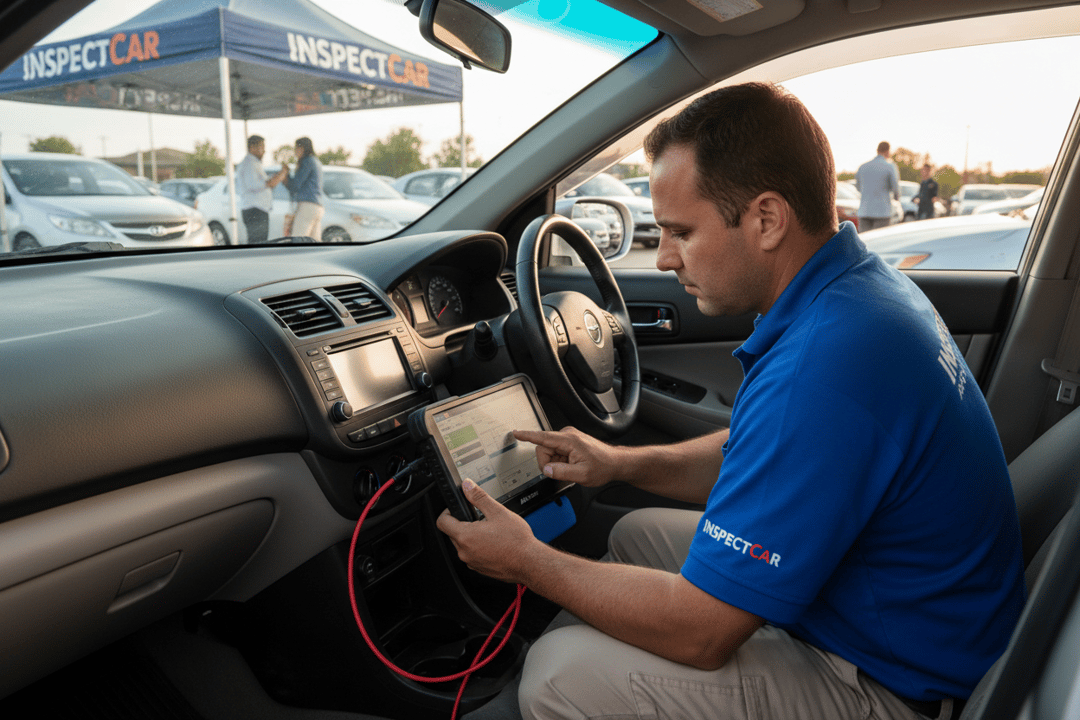
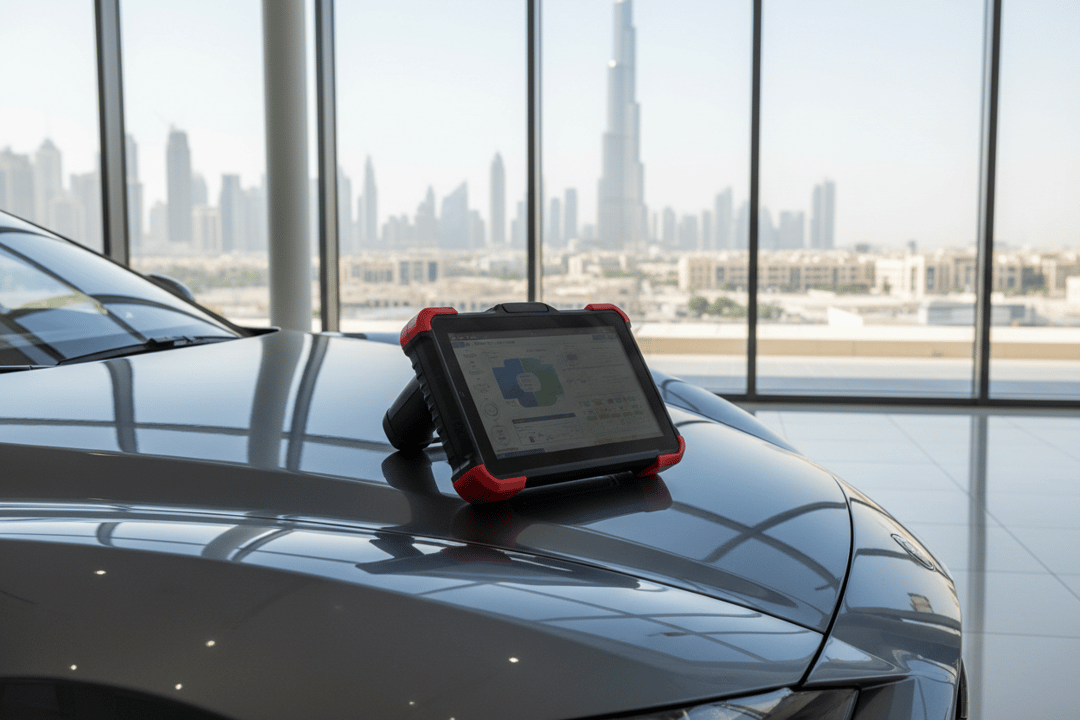
Advanced inspection services utilize computer diagnostics to read the vehicle's onboard computer. This process identifies error codes stored in the Engine, Transmission, ABS, and Airbag modules. A standard diagnostic scan is available for AED 99, providing a baseline of the vehicle's electronic health. This service is the first step in identifying potential issues before they become expensive repairs.
More complex issues, such as body repairs that may have affected structural integrity or the vehicle's computer systems, require a deeper level of analysis. The Body & Computer package at AED 250 combines visual inspection of the bodywork with a comprehensive computer diagnostic. This ensures that any panel repairs are structurally sound and that no computer-related faults have been masked by cosmetic fixes.
For a complete assessment of a vehicle's mechanical and structural health, the Comprehensive package at AED 299 is the industry standard. This service covers 410+ checkpoints across 25 categories. It includes an OBD scan to check engine and transmission codes, a road test to evaluate acceleration, braking, and noise, and a detailed inspection of tires, brakes, suspension, and the electrical system.
| Inspection Package | Price (AED) | Core Inclusions |
|---|---|---|
| Computer Diagnostic | 99 | OBD scan for engine, transmission, ABS, and airbag codes. |
| Body & Computer | 250 | Visual body/paint inspection with panel-by-panel analysis combined with computer diagnostics. |
| Comprehensive | 399 | 410+ checkpoints covering brakes, suspension, tires, frame, engine sound, and road test performance. |
Tire and Brake Wear Patterns
Tires on Crossovers in the UAE endure extreme heat and abrasive sand. This leads to a mismatch in wear rates between the front and rear axles. The front tires, which handle the majority of steering and braking forces, wear out significantly faster than the rear tires. Failing to rotate tires regularly results in uneven tread depth, which affects the vehicle's handling and increases the risk of hydroplaning during sudden rains.
Brake pads and rotors experience intense thermal loading. The high operating temperatures of Crossover brakes can cause the lining material to glaze over. This creates a smooth surface on the pad and rotor that reduces friction, increasing stopping distance. The inspection of brake systems must include a percentage rating of pad wear. A pad thickness below the manufacturer's minimum threshold compromises safety and requires immediate replacement.
Structural and Frame Health
While Crossovers are built for durability, they are not invincible to the stress of high-speed travel and rough terrain. The chassis and frame rails are under constant torsional stress. Cracks can develop at the mounting points of suspension components or where the body panels join the frame. A compromised frame alters the vehicle's alignment, causing pulling to one side and accelerating tire wear.
Corrosion is a significant concern in coastal areas of the UAE due to salt spray. Even inland, the combination of humidity and road salt used for de-icing in winter can damage the chassis. A comprehensive inspection includes checking the floor pans, pillars, and frame rails for rust or structural deformation. Identifying frame damage early prevents the vehicle from becoming unsafe for travel on highway speeds.
Regular maintenance in the UAE is not an option; it is a necessity dictated by the environment. From fluid changes to electrical diagnostics, every aspect of the vehicle requires attention. Owners must rely on professional inspection services to verify that maintenance has been completed correctly and to detect latent issues before they escalate.
AutoFay provides a on-location inspection service across all seven Emirates, bringing the inspection facility directly to the owner. The service includes HD photos and a detailed PDF report documenting every aspect of the vehicle's condition. This ensures transparency and accuracy in the maintenance record. Owners can book a service at autofay.ae or contact +971542584458 to schedule an inspection.


0 Comments
No comments yet. Be the first to share your thoughts!