
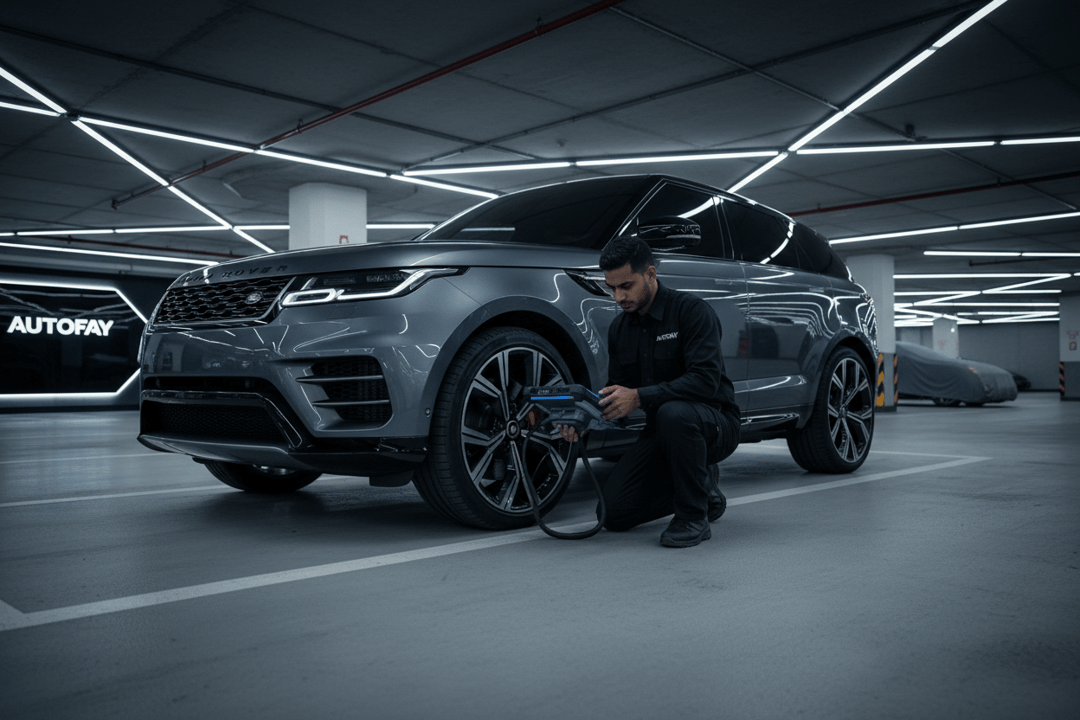
The higher mileage milestone represents a critical juncture in a vehicle's lifecycle. It is not merely a number on the odometer but a signal that routine maintenance has shifted from preventative measures to component replacements. In the UAE environment, characterized by extreme heat, abrasive desert dust, and high salinity levels along coastal roads, mechanical components endure accelerated stress. Skipping this milestone can expose the vehicle to significant failures that compromise safety and lead to expensive repairs. A professional inspection provides the roadmap for this transition, identifying hidden wear before it becomes a breakdown.
Fluids: The Lifeblood of the Engine
Fluids are the unsung heroes of vehicle operation, responsible for lubricating moving parts, dissipating heat, and transmitting force. at higher mileage, the chemical composition of these fluids has likely degraded due to high operating temperatures prevalent in the Emirates. Engine oil should be evaluated based on viscosity and contaminant levels rather than just mileage. Using sub-par oil at this stage increases friction, leading to premature engine wear and reduced fuel efficiency.
Engine coolant requires a rigorous check for corrosion inhibitors. The intense summer heat can cause coolant breakdown, leading to overheating and potential engine block damage. Furthermore, brake fluid is hygroscopic, meaning it absorbs moisture from the air over time. A compromised brake fluid system lowers the fluid's boiling point, causing brake fade during heavy braking situations, which is a critical safety risk on highways like Sheikh Zayed Road or Emirates Road.
Brakes: Critical Safety Systems
The braking system is the primary defense against accidents and must be scrutinized with a high degree of scrutiny. at higher mileage, brake pads typically wear down significantly. In city driving, which involves frequent stop-and-go traffic, pad wear is even more accelerated. Low pad thickness damages the brake rotors through metal-to-metal contact. Once rotors are scored or warped, they cannot be refinished and must be replaced, doubling the cost of the repair.
Inspectors must also evaluate the brake fluid condition. If the fluid appears dark or cloudy, it indicates water contamination, which can cause brake failure in extreme heat. The ABS system should also be tested during the inspection to ensure sensors are clean and functioning. A professional Computer Diagnostic scan is essential to detect ABS error codes that might not trigger the dashboard warning light but indicate underlying electronic failures.
Filters: The First Line of Defense
Filters protect the engine and cabin from dust and debris. The engine air filter prevents sand and grit from entering the combustion chamber. A clogged air filter restricts airflow, reducing engine power and increasing fuel consumption. The cabin air filter, often overlooked, protects occupants from fine desert dust and pollen. If this filter is clogged, it compromises the HVAC system's efficiency and can harbor mold if not replaced regularly.
Additionally, the fuel filter should be inspected or replaced. Over time, sediment and moisture can accumulate in the fuel tank and clog the filter, leading to erratic engine performance or stalling. Replacing the fuel filter ensures consistent fuel delivery to the engine, maintaining optimal combustion efficiency and reducing emissions.
Tires and Wheels: Grip on Asphalt
Tires are the only contact point between the vehicle and the road surface. at higher mileage, tires may have lost significant tread depth, especially in the front wheels which bear the most braking force. Inspectors must verify the tread depth using a depth gauge; legal limits in the UAE are 1.6mm, but safety experts recommend replacing tires at 3mm to ensure adequate grip on wet or oily roads.
Crucially, tires have an expiration date based on manufacturing, not just mileage. Rubber degrades over time due to UV exposure and oxidation. A higher mileage vehicle might have tires that are only three years old but are now brittle and prone to blowouts. Inspectors must check the DOT code on the sidewall to determine the manufacturing week and year. Additionally, wheel alignment and balancing must be checked. Misalignment causes uneven tire wear, leading to the need for premature tire replacement and potential steering instability.
Suspension and Steering Components
The suspension system absorbs shocks and maintains tire contact with the road. at higher mileage, components like shocks, struts, and springs may be nearing the end of their service life. Worn shocks fail to dampen road vibrations, leading to a bumpy ride and increased tire wear. This deterioration affects the vehicle's handling characteristics, particularly during cornering or emergency maneuvers.
Suspension bushings act as vibration dampers and pivot points. These rubber components crack and deteriorate due to heat exposure. Once a bushing fails, metal-on-metal contact occurs, resulting in clunking noises and loss of control. Ball joints and tie rods must also be inspected for play or looseness. Any play in these components can lead to loss of steering control, making the vehicle unsafe to operate.
Electrical Systems and Computer Diagnostics
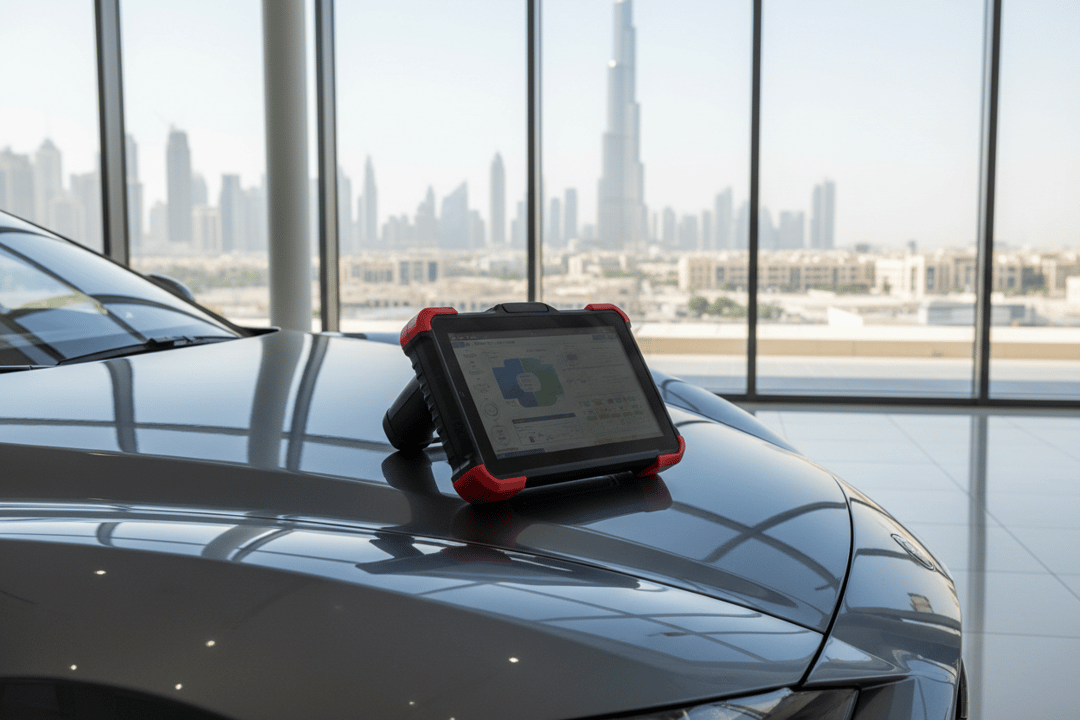
Modern vehicles are complex networks of sensors and computers. The OBD (On-Board Diagnostics) system monitors everything from fuel efficiency to airbag deployment. At the higher mileage mark, it is vital to perform a Computer Diagnostic scan to read error codes from the Engine, Transmission, ABS, and Airbag modules. Even if the "Check Engine" light is not illuminated, there may be pending codes that indicate early failures.
The battery is another critical electrical component. The extreme temperatures in the UAE cause lead-acid and AGM batteries to degrade faster. Corroded terminals or a failing voltage regulator can leave a driver stranded. A comprehensive inspection package should include testing the battery's Cold Cranking Amps (CCA) and load capacity to ensure the battery can handle the electrical demands of the vehicle's start-stop systems and climate control.
Body and Frame Integrity
The structural integrity of the vehicle is often compromised by minor accidents or stress from potholes and high-speed driving. The chassis is the foundation of the car's safety. A professional inspection involves a panel-by-panel assessment of the Body and Paint to identify previous repairs or repainted areas that may hide underlying damage.
Inspectors must check the frame rails, pillars, and floor pans for corrosion, particularly in vehicles driven in coastal areas like Dubai Marina or Sharjah. Rust can compromise the structural rigidity of the car, making it unsafe in the event of a collision. A detailed report should highlight any repaired panels to ensure the vehicle's value is accurately reflected and to inform the buyer of potential future repair needs.
| Component | Inspection Focus | Consequence of Neglect |
|---|---|---|
| Engine Oil | Viscosity, contaminant levels | Increased friction, overheating, engine seizure |
| Coolant | Corrosion inhibitors, pH levels | td>Engine overheating, block corrosion|
| Brake Pads | Pad thickness, rotor condition | td>Rotor damage, brake failure|
| Tires | Tread depth, manufacturing date | td>Blowouts, loss of traction|
| Electronics | OBD codes, battery health | td>Stalling, warning light malfunctions
Addressing the higher mileage checklist requires a systematic approach to ensure no component is overlooked. While some items can be addressed by the owner, complex systems like the engine, transmission, and frame require expert interpretation. A professional inspection provides a detailed roadmap of the vehicle's health. AutoFay inspects 410+ checkpoints with HD photos and PDF report. Book at autofay.ae or call +971542584458.



0 Comments
No comments yet. Be the first to share your thoughts!