

Reaching the 150,000-kilometer mark represents a significant threshold for any vehicle driven in the United Arab Emirates. The intense heat, frequent highway driving, and abrasive desert conditions accelerate the degradation of mechanical components far beyond what occurs in temperate climates. At this mileage, a vehicle is no longer new; it requires a rigorous, maintenance-centric approach to ensure reliability and safety. This guide outlines the critical components requiring inspection and replacement at this milestone, drawing on the protocols used by professional inspectors.
Engine and Transmission Fluid Analysis
The engine and transmission are the heart of the vehicle, and their health dictates longevity. at higher mileage, fluid degradation is the primary threat to performance. Engine oil, while often changed regularly, may have lost its ability to protect against metal-on-metal friction due to viscosity breakdown and additive depletion. Transmission fluid, particularly in automatic gearboxes, contains friction modifiers that diminish over time, leading to harder shifts and increased heat generation.
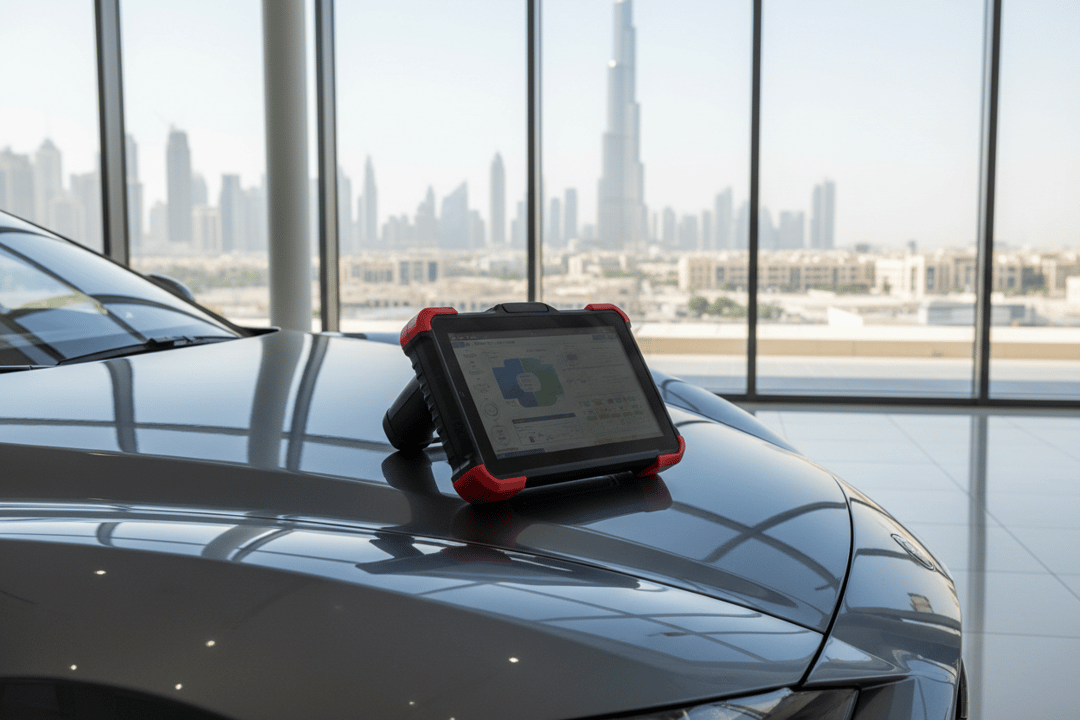
Before draining fluids, a technician must perform a comprehensive computer diagnostic scan. This step identifies stored fault codes related to the engine, transmission, ABS, and airbag systems that might not be immediately apparent. A diagnostic scan costs AED 99 and provides the baseline data necessary to decide if a fluid flush is immediately required or if further mechanical intervention is needed.
Checking Coolant and Heater Hoses
The cooling system faces a dual threat in the UAE: extreme external temperatures and internal chemical degradation. at higher mileage, coolant reservoirs should be drained and refilled with a mixture that meets the manufacturer’s specifications. Old coolant loses its anti-corrosive properties, leading to rust formation within the radiator and heater core, which can block flow and cause overheating.
Visually inspecting all heater and radiator hoses is mandatory. Rubber hoses become brittle and prone to cracking under the thermal stress of continuous operation. A small crack in a hose can lead to a sudden loss of coolant, resulting in an overheated engine and potential head gasket failure. Inspectors look for soft spots, bulges, or hairline fractures that indicate imminent failure.
Braking System Integrity
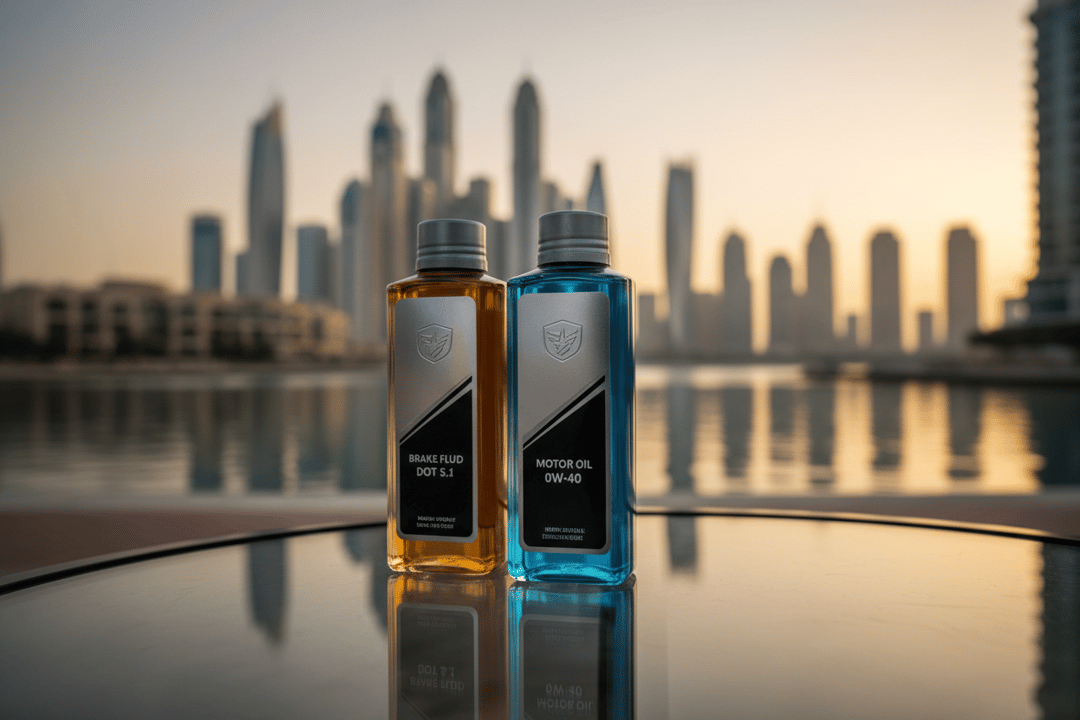
Braking systems are the most critical safety feature on any vehicle. at higher mileage, brake pads are typically at the end of their service life, and rotors may have worn beyond acceptable resurfacing limits. The brake fluid is also a key concern; over thousands of cycles, the fluid absorbs moisture, lowering its boiling point. This reduction in boiling point leads to brake fade during heavy braking or prolonged driving in stop-and-go traffic.
The inspection must include a pad thickness rating. Once the friction material wears below 3 millimeters, the risk of metal-to-metal contact increases significantly. Metal-on-metal contact scores the rotors, requiring them to be replaced rather than simply resurfaced. Additionally, the brake lines and calipers must be checked for leaks or corrosion, especially in coastal areas where salt exposure accelerates rust.
- Brake Pads: Check wear thickness against manufacturer minimums.
- Rotors: Inspect for warping, scoring, and thickness variation.
- Brake Fluid: Test boiling point and fluid condition (color and moisture content).
Suspension and Steering Components
The suspension system absorbs road imperfections and maintains tire contact with the asphalt. at higher mileage, bushings—often made of rubber—will have hardened and cracked due to UV exposure and heat cycles. This loss of elasticity causes vibrations to transfer directly into the passenger cabin and alters the vehicle’s alignment geometry.
Inspectors must examine shock absorbers and struts for fluid leaks and compression damping inefficiency. Worn shocks extend stopping distances and increase tire wear. Ball joints and tie rod ends are also vulnerable; play in these components causes the steering wheel to vibrate or wander, making the vehicle difficult to control at highway speeds.
Tire and Wheel Condition
Tires are the only point of contact between the vehicle and the road, yet they are often overlooked until a puncture occurs. at higher mileage, tire tread depth is likely approaching the legal minimum of 1.6 millimeters. However, the manufacturing date is equally critical. Rubber degrades over time regardless of tread depth; tires older than six years often suffer from dry rot.
Inspectors check the manufacturing date on the sidewall to ensure the vehicle is not being driven on tires that have passed their effective lifespan. Uneven wear patterns indicate alignment issues or suspension problems that should be addressed immediately. Rotating tires every higher mileage promotes even wear, but if rotation does not correct the pattern, a four-wheel alignment is necessary.
Body and Frame Structural Integrity
Structural integrity is often compromised by minor accidents or potholes that go unnoticed. at higher mileage, the vehicle frame and body panels have absorbed countless impacts. A professional inspection looks for "panel-by-panel" discrepancies. If a panel has been repainted, the inspector checks for orange peel texture, drips, or mismatched color codes, which indicate poor repair quality.
Frame rails and pillars must be inspected for torsion or bending. Even a slight deviation in the chassis can compromise the safety of the passenger compartment in a collision. The door seals should be checked for gaps that allow water ingress, which can lead to rust formation in the floor pans and wheel wells. A comprehensive inspection package covers these structural checks to ensure the vehicle has not been compromised.
| Maintenance Category | Inspection Focus | Consequence of Neglect |
|---|---|---|
| Engine & Transmission | Fluid levels, OBD codes, leaks | Engine failure, transmission slippage, overheating |
| Braking System | Pad thickness, rotor condition, fluid level | Brake fade, loss of control, rotor damage |
| Suspension | Bushings, shocks, ball joints | Uneven tire wear, poor handling, vibrations |
| Cooling System | Hoses, radiator, coolant quality | Overheating, engine block damage, coolant leaks |
| Body & Frame | Panel gaps, rust, structural rails | Alignment issues, rust penetration, safety hazards |
Preparing a vehicle for the higher mileage milestone requires a systematic approach that prioritizes safety and longevity. Ignoring these checks invites costly repairs and compromises the driver’s safety. For a detailed assessment of these systems, AutoFay provides a professional on-location inspection service across all seven Emirates.
AutoFay inspects 410+ checkpoints with HD photos and PDF report. Book at autofay.ae or call +971542584458.


0 Comments
No comments yet. Be the first to share your thoughts!