

Owning a BMW in the United Arab Emirates requires more than routine oil changes; it demands a keen understanding of specific maintenance intervals and potential failure points. These vehicles are engineering marvels, but their complexity often hides latent issues that only a trained eye can detect. Ignoring early warning signs can transform a minor maintenance item into a catastrophic system failure. This article examines the critical components of BMW ownership, their typical replacement timelines, and how a professional inspection serves as the ultimate defense against unexpected repair bills.
The Engine and Transmission: The Heartbeat of the Vehicle
The BMW engine is renowned for its performance, yet specific components are prone to wear based on mileage and driving conditions. One of the most common concerns is the timing chain versus the timing belt. While many modern BMWs utilize a timing chain designed for longevity, the tensioner can stretch over time, causing the chain to slap against the cover and produce a rattling noise. If not addressed, this can lead to catastrophic engine failure, rendering the vehicle non-functional.
Another frequent issue in the UAE climate is oil leaks. BMW engines, particularly those with the Valvetronic system, often develop leaks at the valve cover gasket or the oil filter housing. A dripping oil pan might look like a minor annoyance, but it can lead to low oil pressure, overheating, and damage to the catalytic converter. Furthermore, transmission issues are prevalent; irregular shifting or delayed engagement often points to worn clutch packs or valve body failures in the automatic transmission.
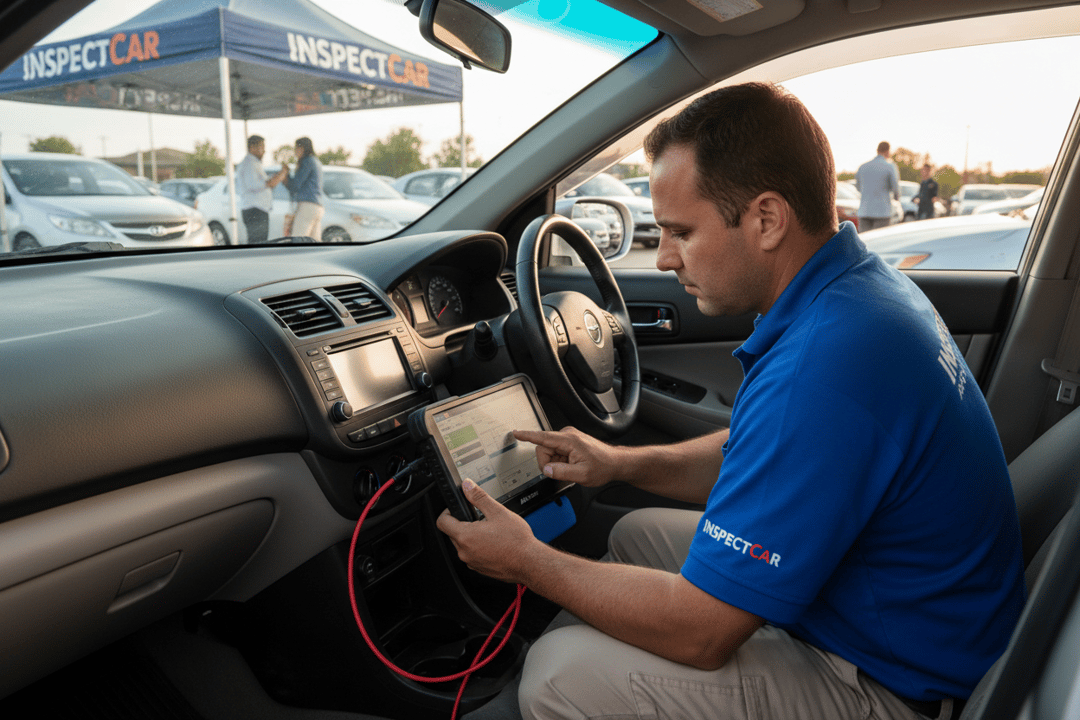
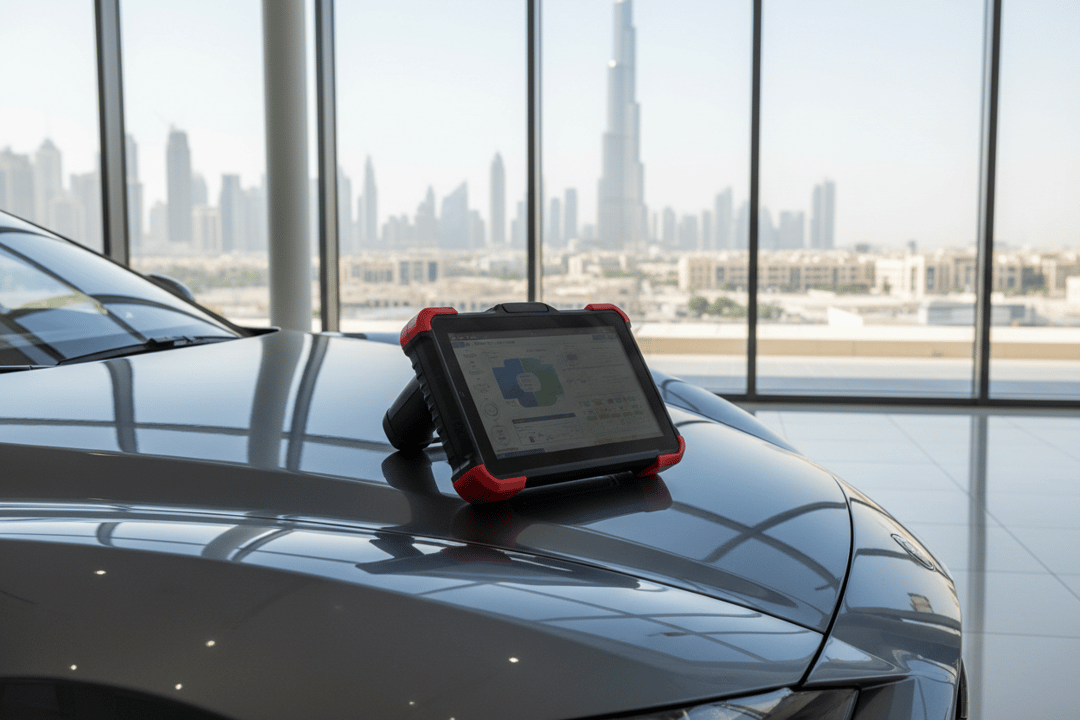
During an inspection, the technician evaluates the engine through a series of physical and electronic checkpoints. They listen for abnormal sounds, such as knocking or ticking, and check for smoke during startup, which can indicate burning oil or coolant. A Computer Diagnostic AED 99 service utilizes OBD scanners to read transmission and engine codes, revealing hidden errors that the driver cannot see without professional tools. However, the computer cannot detect physical wear on mounts or leaks; for that, a visual inspection is mandatory.
Suspension and Steering: Ensuring Road Contact
The suspension system in a BMW is tuned for sporty handling, which means its components are subject to significant stress. In the UAE, where roads can range from smooth highways to potholed city streets, shock absorbers and struts degrade faster than in more temperate climates. Worn shock absorbers reduce braking efficiency and tire tread life, while allowing the vehicle to "float" over bumps, compromising safety and comfort.
Control arm bushings and ball joints are also critical failure points. Over time, these rubber components dry out and crack, leading to clunking noises when turning or accelerating. This degradation can result in poor alignment, which accelerates tire wear and makes the steering feel vague or disconnected from the road. If ignored, worn suspension parts can damage the wheel hubs and rotors, leading to a much higher repair bill.
A professional inspection includes a rigorous Road Test to evaluate acceleration, braking, and overall noise or vibration. Technicians inspect the suspension components for play, cracks, or fluid leaks from shock absorbers. This dynamic testing is superior to a static visual check because it simulates real-world driving conditions.
Braking System: The Critical Safety Net
Brakes are the most direct interaction between the driver and the vehicle's safety systems. BMW brakes are generally high-performance, consisting of larger rotors and multi-piston calipers, which generate significant heat. The primary consumable item is the brake pad, which wears down based on driving style and road conditions. In the UAE, heavy traffic and frequent braking in stop-and-go scenarios accelerate pad wear.
Ignoring worn brake pads can lead to damage of the brake rotors, causing them to warp or score. A warped rotor creates a pulsating sensation in the brake pedal, which is not only uncomfortable but reduces braking effectiveness. Additionally, the parking brake mechanism in BMWs can seize due to corrosion from the coastal environment or salt, making it difficult to release the brake, which can lead to overheating the rear brakes or damaging the parking brake cable.
Inspections assign a specific brake pad percentage rating to quantify remaining life. This metric provides a clear, objective timeline for replacement. By identifying worn pads early, the inspector highlights when immediate action is required to prevent rotor damage, saving the owner from having to replace both pads and rotors simultaneously.
Fluids and Cooling Systems: Preventing Internal Damage
Fluids are the lifeblood of a vehicle, yet they are often the most neglected maintenance item. The coolant system in a BMW is critical, especially in the high temperatures of the Emirates. Coolant degrades over time, losing its ability to prevent overheating and corrosion. A blown head gasket, often caused by overheating due to old coolant or a leak, can result in white smoke from the exhaust and the mixing of oil and coolant, leading to total engine replacement.
Transmission fluid also requires strict adherence to service intervals. Unlike engine oil, transmission fluid does not always have a "clean" color to indicate its condition; instead, it darkens and loses its friction-modifying additives. Burnt transmission fluid causes slipping and harsh shifting. Brake fluid is another critical fluid; it absorbs moisture over time, which lowers its boiling point and can cause the ABS and electronic brake force distribution systems to malfunction during hard stops.
Inspections verify fluid levels and assess their physical condition. Technicians look for the presence of metal shavings in the oil or transmission fluid, which indicates internal mechanical wear. Checking fluid condition helps predict the remaining life of expensive components like the engine, transmission, and radiator.
The Strategy of Professional Inspection
Attempting to diagnose a used BMW without professional tools is akin to performing brain surgery with a stethoscope. The complexity of BMW electronics and the variability of repair history across different owners make a comprehensive inspection essential for buyers and sellers alike. A standard visual inspection misses 50% of the potential issues, particularly those hidden under carpets or behind trim panels.
AutoFay provides a structured approach to this problem, offering specialized packages tailored to specific needs. For buyers, a standard Computer Diagnostic AED 99 reveals the electronic fault codes that the seller may be unaware of or attempting to hide. This service scans the engine, transmission, ABS, and airbag systems to ensure all electronic modules are functioning correctly.
For a more detailed assessment, the Body & Computer AED 250 package expands the scope to include a visual inspection of the bodywork and a frame check. This package is crucial for identifying accident history, panel repaints, and structural integrity issues that could affect vehicle safety and value.
For those seeking the highest level of scrutiny, the Comprehensive AED 299 package covers 410+ checkpoints across 25 categories. This on-location package covers all seven Emirates, bringing the inspection directly to the vehicle. This package includes panel-by-panel paint analysis, frame rail inspection, engine sound assessment, brake pad percentage rating, suspension checks, tire manufacturing year verification, and a full fluid condition check.
| Package | Price | Key Inclusions |
|---|---|---|
| Computer Diagnostic | AED 99 | Engine, Transmission, ABS, Airbag Code Scanning |
| Body & Computer | AED 250 | Diagnostic + Visual Body/Paint + Frame Inspection |
| Comprehensive | AED 299 | 410+ Points: Complete Engine, Suspension, Brakes, Fluids, Tires & Road Test |
Body, Paint, and Frame Integrity
Bodywork on BMWs is often repainted for aesthetic reasons or to cover accident damage. However, a mismatched paint color or a rough texture can indicate a poor repair job. A professional inspector looks for panel-by-panel originality, checking for repainted sections versus original surfaces. This helps determine if the vehicle has been in a collision and whether the repair was completed to industry standards.
Perhaps the most critical aspect of body inspection is the Frame. The unibody construction of modern BMWs relies on frame rails and pillars for structural rigidity and safety in the event of a rollover. If these structural components have been damaged or straightened improperly, the vehicle's handling characteristics are altered, and its crashworthiness is compromised. An inspection verifies that the frame rails and floor pans are free from damage and have not been modified.
Conclusion
Preventing surprise repairs on a BMW requires a proactive approach that combines technical knowledge with a thorough physical examination. From timing chains and oil leaks to suspension bushings and brake pads, every component has a specific lifespan and stress point. Relying solely on the dashboard lights or a simple test drive is insufficient for these complex machines.
Investing in a professional inspection provides a clear roadmap for ownership. By utilizing services like those offered by AutoFay, owners and buyers can uncover hidden defects before they result in costly failures. The detailed reports, including HD photos and PDF documentation, ensure that no detail is overlooked.
AutoFay inspects 410+ checkpoints with HD photos and PDF report. Book at autofay.ae or call +971542584458


0 Comments
No comments yet. Be the first to share your thoughts!