
A car that has passed through three or four owners in five years tells a different story than a single-owner vehicle. Each owner has different maintenance habits, driving styles, and standards for what constitutes acceptable condition. The challenge for a buyer is that each ownership period may have introduced problems that the next owner either did not know about or chose to ignore. A professional inspection cuts through the accumulated history and evaluates the car as it stands today.
Maintenance Gaps Between Owners
The most common problem with multi-owner vehicles is inconsistent maintenance. The first owner may have followed the manufacturer's service schedule religiously, keeping engine oil clean and all fluids fresh. The second owner may have stretched oil change intervals, allowing oil to go from Clean to Dark to Dirty. The third owner may have used a non-authorized workshop that used incorrect fluid specifications. AutoFay inspectors cannot read the complete history, but the fluids tell a story: engine oil condition (Clean, Dark, Dirty, or Milky), coolant condition (Clean, Dirty, Contaminated, or Oily), transmission fluid (Good through Burnt Smell), and brake fluid (Clear, Dark, or Contaminated) each reveal the current state regardless of what past owners claim to have done.
Drive belts and accessory belts show the accumulated effect of multiple ownership periods. Rated Good, Worn, Cracked, or Needs Replacement, these belts should be replaced at manufacturer intervals. When ownership changes frequently, belt replacement often falls through the cracks — each owner assumes the previous one handled it. The same applies to cabin air filters and engine air filters, which may go unchanged through multiple owners.
Body and Paint: Layered Repairs
Multi-owner cars often carry body repairs from different periods, each done to different standards. The first owner's fender bender might have been repaired at an authorized body shop with color-matched paint. The second owner's parking lot scrape might have been fixed at a budget workshop with slightly mismatched paint. Our body inspection checks every panel individually — front bumper, hood, fenders, doors, quarter panels, trunk, roof, and rocker panels, each rated for condition (No Visible Fault through Damaged) and paint (Original, Repainted, or Total Repainted). Multiple repainted panels suggest multiple incidents across different ownership periods.
Body panel alignment — rated Good, Slight Misalignment, or Major Misalignment — can reveal layered repairs. When different shops repair adjacent panels at different times, the gaps and alignment between them may not match. Trim pieces (Good, Loose, Missing, or Damaged) also tell a story: different owners replace trim with different quality parts, creating a patchwork that an inspector can identify.
Interior Wear Patterns and Inconsistencies
Interior condition shows the combined impact of multiple users. Front seats rated Worn or Damaged may contrast with rear seats rated No Visible Fault — this is normal. But steering wheel wear that does not match pedal wear can indicate an odometer discrepancy. Our interior inspection rates the dashboard, steering wheel, seats, headliner, carpet, and door panels individually. A car with a worn steering wheel but pristine pedals may have had its odometer rolled back between owners.
The interior smell — rated Fresh, Normal, Smoke, Musty, or Pet Odor — often reflects the habits of the most recent or most impactful owner. A smoker owner leaves residue that is extremely difficult to remove completely, and this smell persists through subsequent owners despite cleaning attempts. Seat belts (All Working, Some Worn, or Some Not Working) show the accumulation of multiple years of use and sometimes indicate whether the car was used for family transport with child seats.
Frame and Structural Concerns
The biggest risk with multi-owner vehicles is undisclosed accident damage that passes from one owner to the next. Each owner may genuinely believe the car is accident-free because they had no incidents during their ownership. But the frame tells the truth. AutoFay's frame inspection covers 27 structural points including bumper support, radiator frame, cross member, front and rear rails, chassis, floor pan, firewall, A-pillars, B-pillars, C-pillars, rocker panels, and roof rail. Each is rated from No Damage through Minor Dent, Repaired, Welded, Replaced, to Bent or Rusted. A welded or replaced structural component from a previous owner's accident is a permanent mark that affects safety and value.
OBD History Across Owners
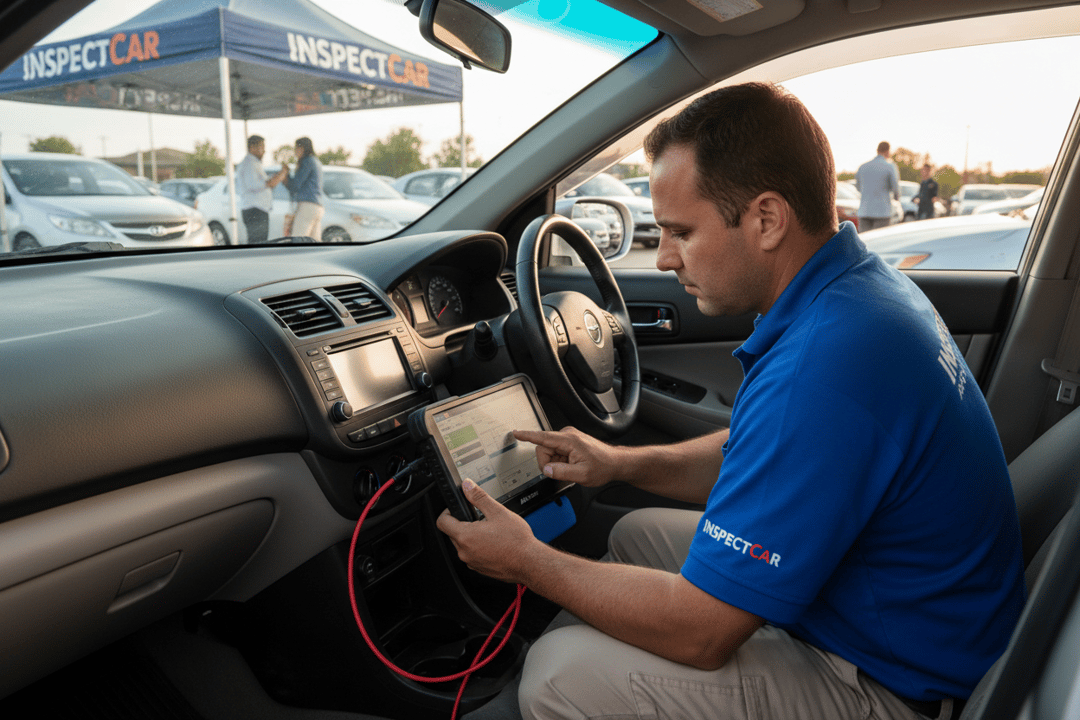
The OBD system accumulates fault codes across all ownership periods. When one owner clears codes and sells the car, the next owner drives until the codes return and clears them again before selling. Our OBD scan checks for stored and active codes across five systems: engine, transmission, ABS, airbag/SRS, and body control module. A car with multiple stored codes in different systems often indicates that various issues developed under different owners and were repeatedly cleared rather than repaired.
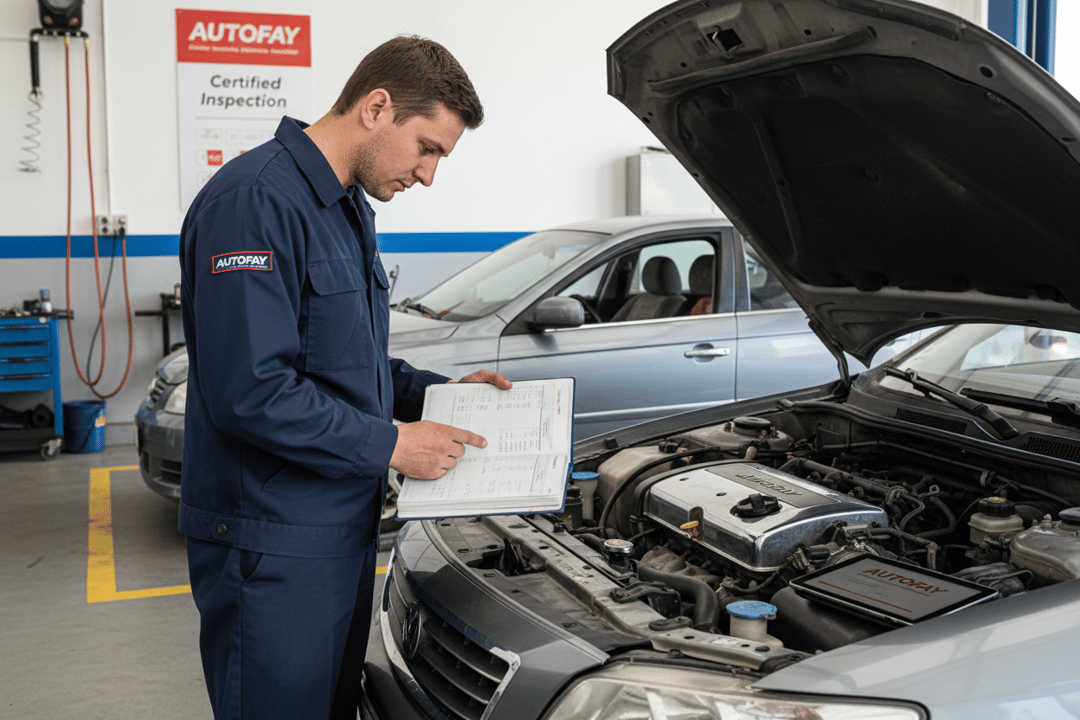
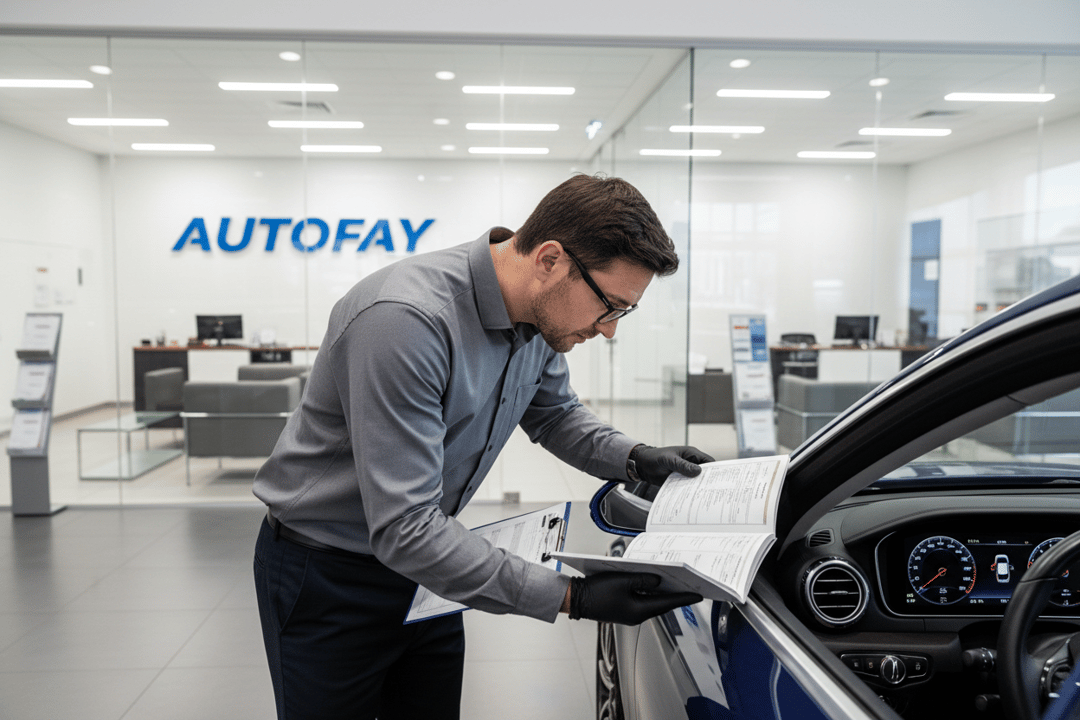
AutoFay inspects 410 checkpoints that reveal the full picture regardless of ownership history, with HD photos and a detailed PDF report. On-location inspection across all 7 Emirates. Book at autofay.ae or call +971-54-258-4458.

0 Comments
No comments yet. Be the first to share your thoughts!