
Cars above higher mileage represent some of the best value in the UAE used market. Depreciation has done its work, and the remaining vehicle can offer years of reliable service — if it has been properly maintained. The challenge is determining whether those kilometers were kind or cruel. A highway-driven, regularly serviced vehicle at higher mileage can be in better condition than a neglected city car at higher mileage. Professional inspection separates the well-aged from the worn-out.
Engine: Where High Mileage Shows First
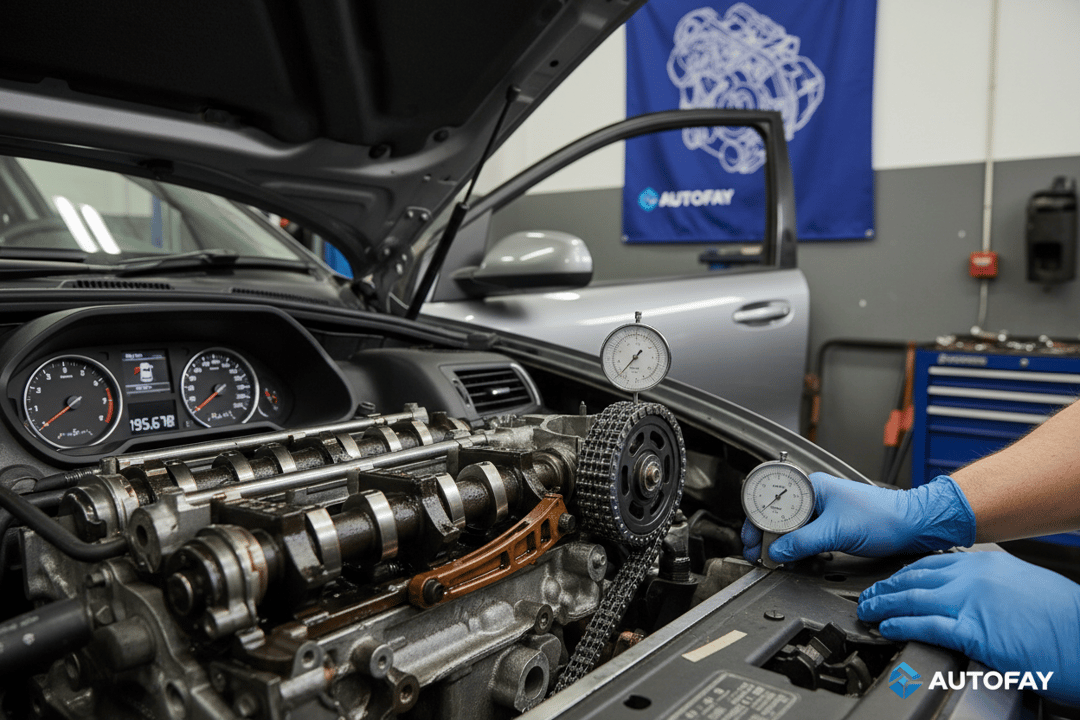
AutoFay's engine inspection becomes particularly revealing at high mileage. Engine start quality — Normal, Rough Idle, Hard Start, or Not Starting — directly reflects engine health. An engine at 150,000+ km that starts immediately and idles smoothly has been maintained. One that requires extended cranking or idles roughly has compression or fuel delivery issues developing.
Engine sound is critical at this mileage. The rating scale from No Noise through Slight Noise, Knocking, to Severe Noise maps engine wear progression. A slight ticking at cold startup that disappears when warm is often acceptable — it can indicate valve lifter wear that is normal at this mileage. Knocking that persists when warm indicates bearing wear, which is a serious concern. Exhaust smoke is checked — blue smoke means oil is burning past worn rings or valve seals, a condition that worsens over time. Engine oil condition rated as Dirty or Milky at this mileage is a red flag requiring further investigation.
Transmission: The Second Most Expensive Component
Transmission health at high mileage depends almost entirely on fluid maintenance history. AutoFay checks transmission operation and fluid condition separately. A transmission that shifts Smooth at 150,000+ km with fluid rated as Good has been serviced properly and likely has significant life remaining. A transmission that shows Slight Delay or Hard Shifting with fluid rated as Burnt Smell has accumulated heat damage that cannot be reversed.
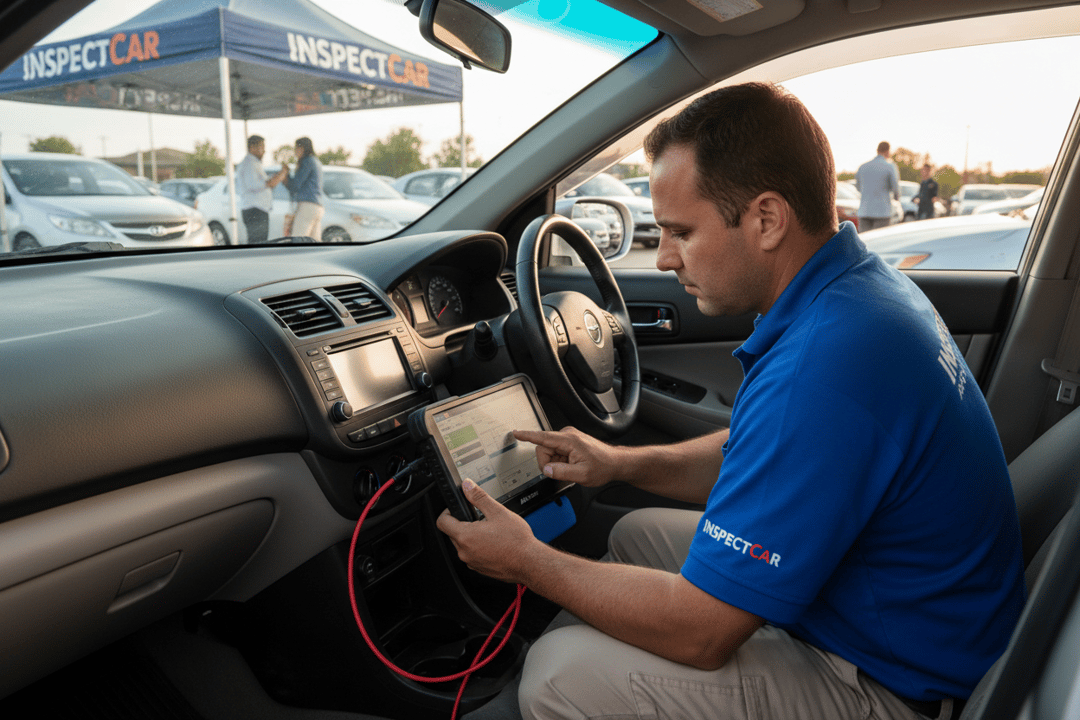
The OBD scanner transmission fault codes section is essential at high mileage. Stored transmission codes indicate problems that occurred even if they are not manifesting during the inspection drive. A clean transmission code history at high mileage is a positive indicator of maintenance quality.
Suspension: Cumulative Wear
Every speed bump, pothole, and highway kilometer adds wear to suspension components. At 150,000+ km, the suspension inspection frequently reveals components that need attention. Front shocks rated as Worn or Leaking are common findings. Ball joints at this mileage often show wear — our inspectors check for play that indicates the joint is approaching failure. Tie rod ends, sway bar links, and bushings are all wear items that reach end of life in this mileage range.
The road test amplifies these findings. A car that bounces more than once over a speed bump has worn shocks. A car that pulls to one side needs alignment and possibly has worn steering components. Vibrations at highway speed that were not present when the car was new indicate worn wheel bearings, unbalanced tires, or bent rims — all accumulation-of-use issues that inspection quantifies.
Brakes: Usage-Dependent Wear
Brake component condition at high mileage depends heavily on driving style and environment. Front brake pads and rotors have typically been replaced at least once at higher mileage. The inspection reveals the current state of the second or third set. Rear brake components wear more slowly but are often neglected. Brake hoses rated as Cracked or Swollen at this mileage need replacement — rubber brake hoses deteriorate from heat and age, and a failed brake hose can cause sudden loss of braking on that wheel.
The brake fluid condition matters more at high mileage. Fluid rated as Dark or Contaminated has absorbed moisture over years of service, which lowers its boiling point and can cause brake fade under hard braking — particularly dangerous in UAE summer when brake temperatures are already elevated.
Fluids and Seals: The Leak Check
High mileage engines develop leaks as rubber seals age and harden. The fluids inspection checks engine oil, coolant, brake fluid, power steering fluid, and transmission fluid levels and conditions. The engine inspection specifically checks valve cover gasket, oil drain plug, and engine oil seals for seeping or leaking. At 150,000+ km, some degree of seepage is common and not necessarily a deal-breaker — the severity determines whether it is a monitoring item or an immediate repair. Active dripping leaks, however, indicate seals that need replacement before the oil loss causes damage.
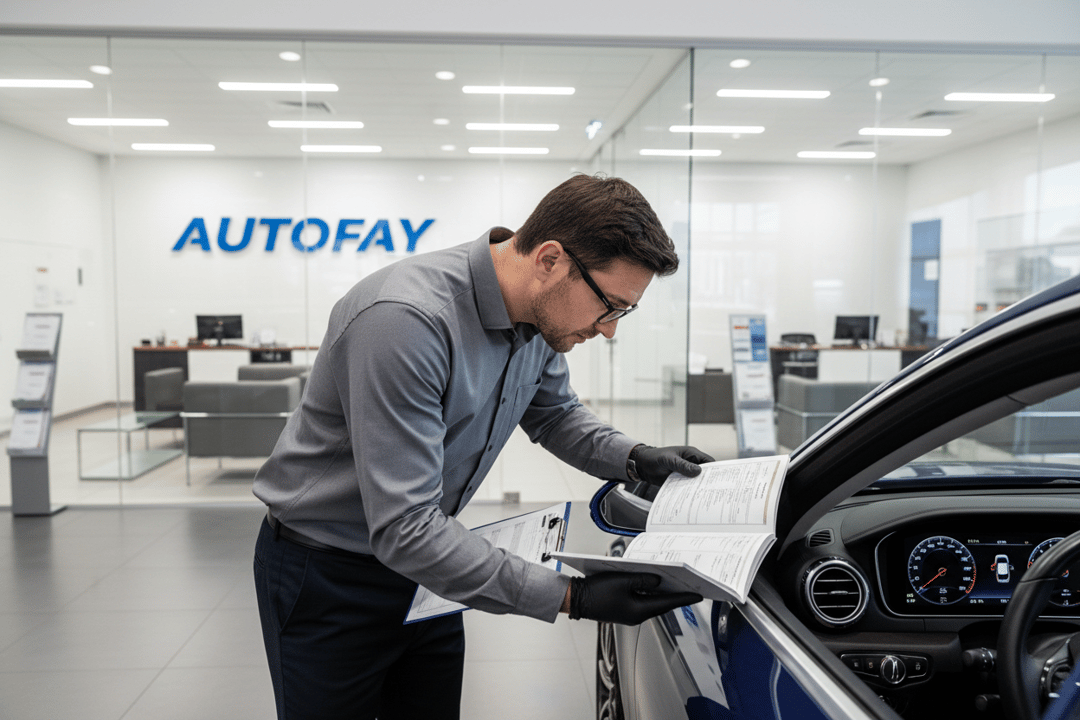
AutoFay inspects 410 checkpoints on every vehicle regardless of mileage, with HD photos and a detailed PDF report. On-location inspection across all 7 Emirates. Book at autofay.ae or call +971-54-258-4458.


0 Comments
No comments yet. Be the first to share your thoughts!