
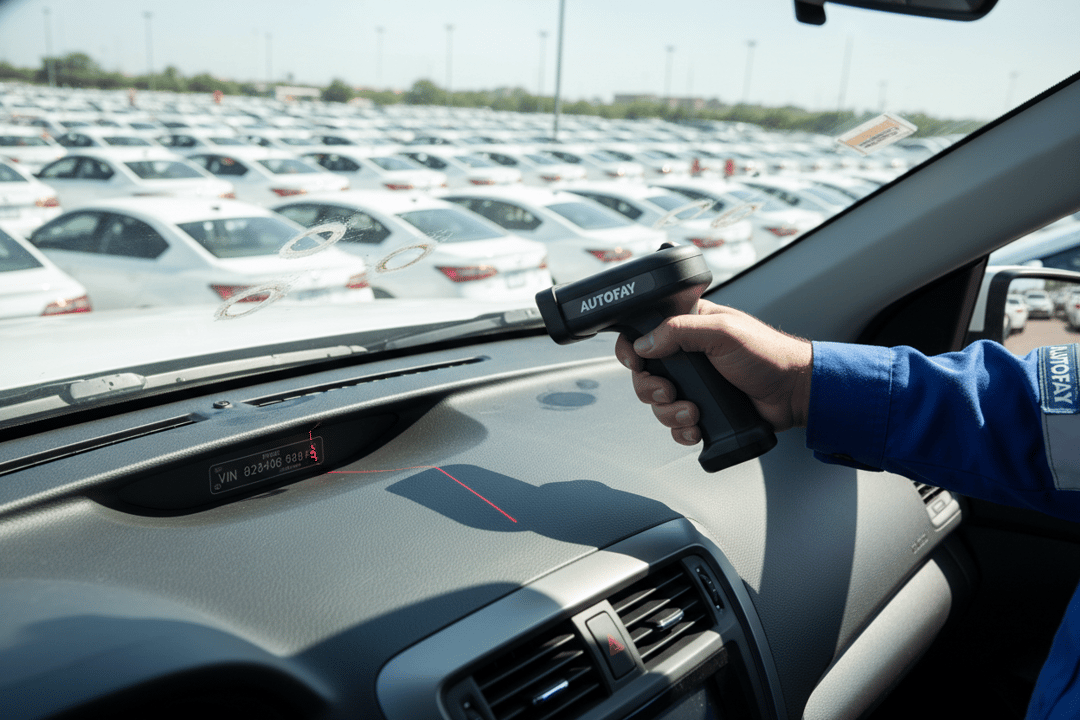
Fleet and rental vehicles make up a significant portion of the UAE used car market. Rental companies refresh their fleets regularly, releasing one- to three-year-old vehicles at attractive prices. Corporate fleet vehicles follow similar patterns. These cars offer recent model years at below-market prices, making them tempting purchases. But the way fleet and rental cars are used differs fundamentally from privately owned vehicles, and inspection reveals these differences clearly.
Body and Paint: Multiple Driver Evidence
The body, paint, and damage inspection tells the fleet car story immediately. Each panel is checked for condition and paint status. Fleet and rental cars typically show more frequent minor damage — parking scratches on bumpers and fenders, door edge chips from careless opening, and small dents from parking lot encounters. Multiple panels rated as having Scratches or repainted is common. The key is distinguishing cosmetic wear from structural damage — a fleet car with five repainted panels from minor scratches is different from one with repainted panels covering accident repair.
Body panel alignment is assessed carefully. Fleet cars that have been repaired and returned to service quickly may show alignment issues that indicate rushed body work. Paint quality on repaired panels may not match the original — slight color variation between panels is visible to an experienced inspector and documented in the report.
Interior: Heavy Use Shows
The interior inspection is particularly revealing on fleet and rental vehicles. Front seats condition rated as Worn is common — the driver seat in a rental car accommodates hundreds of different drivers over its service life, each adjusting the seat position and wearing the bolster differently. Steering wheel condition is similarly telling — a steering wheel rated as Worn at higher mileage indicates the car was driven by many people rather than one careful owner.
Pedal condition is checked — pedals rated as Worn at relatively low mileage suggest heavier use than the odometer implies. Floor mats rated as Worn or Missing are common findings. Interior smell is noted — rental cars are frequently cleaned but can retain Smoke or Pet Odor from renters. The carpet and door panels may show stains and wear inconsistent with the mileage.
Mechanical: Regular Service vs Hard Use
Fleet cars have a paradoxical mechanical profile. On one hand, corporate fleets and rental companies typically follow manufacturer service schedules strictly — oil changes, fluid replacements, and scheduled maintenance are done on time. This means fluids often rate well: engine oil Clean, transmission fluid Good, coolant Clean. On the other hand, the vehicles are driven by people who do not own them, which means harder acceleration, later braking, and less mechanical sympathy.
The drivetrain inspection reveals this dual nature. Transmission operation may rate as Smooth because the fluid was maintained, but the brake inspection may show front brake pads at Worn under 25% and rotors rated as Scored — evidence of aggressive driving and frequent hard braking. The road test may rate braking performance as Good but reveal vibrations or pulling that indicate uneven rotor wear from varied driving styles.
Electronics and Features: Verification Required
Fleet and rental vehicles accumulate wear on electronic features. Power windows may be rated as Slow from thousands of operation cycles. Power door locks, keyless entry, and smart key systems are checked — these are used far more frequently than on a private vehicle and can develop intermittent issues. The infotainment system may show wear — touch screens with reduced sensitivity from heavy use, or Bluetooth systems that have been paired and unpaired hundreds of times.
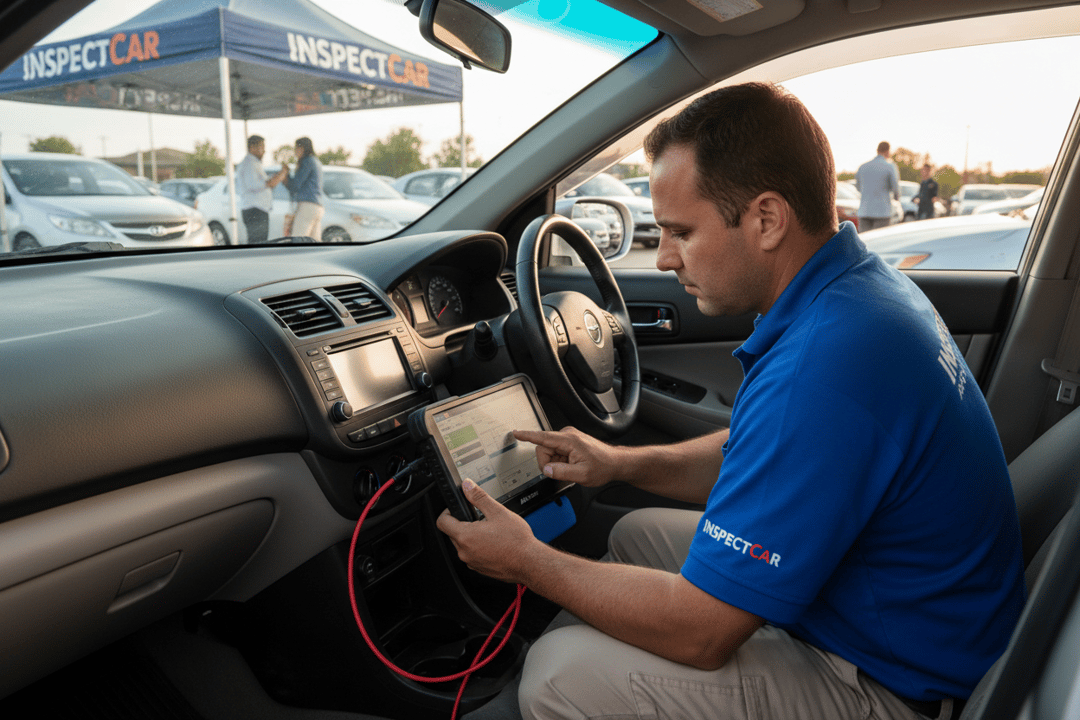
The OBD scanner report is important for fleet vehicles. A vehicle maintained on schedule should show few or no stored codes. A fleet car with multiple stored codes despite regular service indicates that issues were identified but not addressed beyond the scheduled maintenance — a common cost-cutting approach where companies service only what is required rather than what is needed.
Safety Systems: Critical Verification
Safety system verification matters on fleet cars because minor parking contact can damage sensors. Front and rear parking sensors are checked individually — Partial function where some sensors work and others do not suggests a bumper was repaired without recalibrating the sensors. The backup camera is verified — a camera rated as Blurry may have a scratched lens from heavy use. Blind spot detection and forward collision warning systems depend on sensors that can be affected by body repairs.
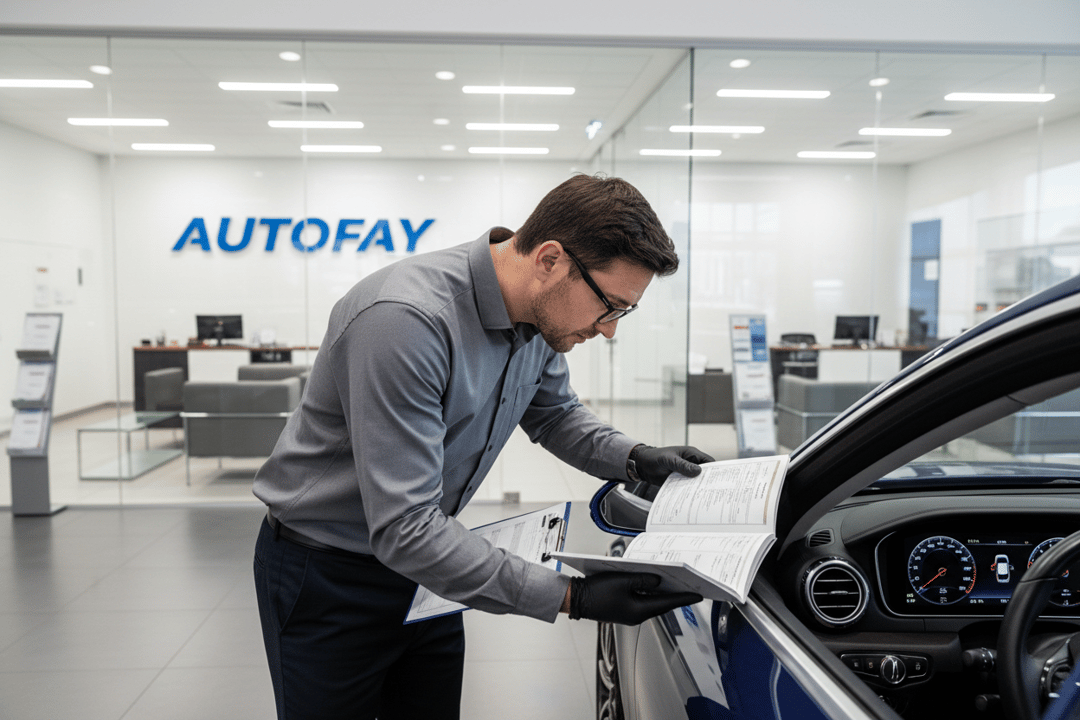
AutoFay inspects 410 checkpoints on every vehicle including fleet and rental cars, with HD photos and a detailed PDF report. On-location inspection across all 7 Emirates. Book at autofay.ae or call +971-54-258-4458.

0 Comments
No comments yet. Be the first to share your thoughts!