

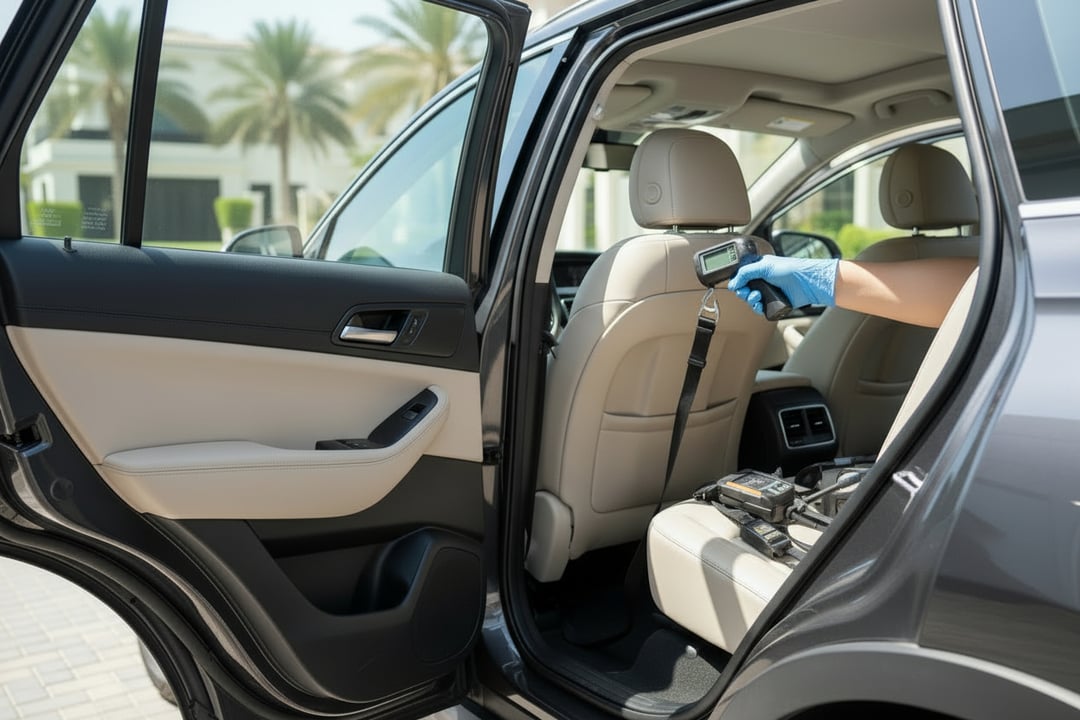
Buying a family car changes the inspection equation. Features that are nice-to-have on a personal vehicle become non-negotiable when children are passengers. A non-functional heated seat is an inconvenience. A non-functional airbag or a degraded brake system is a safety hazard that puts your family at risk. AutoFay's 410+ checkpoint inspection covers every safety-critical system, and understanding which findings matter most for family use helps you make the right decision.
Airbags and Restraint Systems: Non-Negotiable
The safety and security systems inspection checks the airbag system first — rated as No Warning, Warning Light On, or Deployed. An airbag warning light means the system may not deploy in a collision. Front airbags, side airbags, and curtain airbags are each verified as Present, Warning, or Deployed/Missing. A vehicle with missing or deployed curtain airbags — the airbags that protect head injuries in side impacts — is not safe for family use regardless of its other qualities.
Seat belt pretensioners are checked — rated as Working, Warning, or Deployed. Pretensioners tighten the seat belt in a collision, removing slack that could allow the occupant to move forward. Deployed pretensioners that were not properly reset after an accident will not function in a future collision. The OBD scanner specifically checks for airbag/SRS fault codes — stored codes in this system can indicate previously deployed components, sensor malfunctions, or wiring issues that prevent proper deployment.
Child Seat Anchors: Often Overlooked
The interior inspection specifically checks child seat anchors (ISOFIX) — rated as Present, Missing, or Damaged. ISOFIX anchors are metal attachment points in the rear seats that child seats lock into for a secure installation. Missing or damaged anchors mean child seats rely solely on the seat belt for retention, which is less secure. On vehicles purchased from markets where ISOFIX was not standard, these anchors may never have been installed — the inspection confirms their presence and condition.
Seat belts throughout the vehicle are checked — All Working, Some Worn, or Some Not Working. A worn seat belt that does not retract fully or lock under sudden deceleration is a safety hazard. Rear seat belts are particularly important for family vehicles — they are used less frequently than front belts but must function perfectly when needed. The folding rear seats mechanism is verified — seats that do not lock securely in the upright position can fold forward in a collision.
Brakes: Stopping Distance Matters
The brake inspection becomes critical in family vehicle context. Front and rear brake pads, rotors, calipers, brake master cylinder, brake booster, brake lines, and brake hoses are all checked. A family vehicle carrying passengers and luggage is heavier than the same vehicle driven solo — this extra weight increases stopping distance, and any brake degradation is amplified. Front brake pads rated as Worn under 25% need immediate replacement before the family vehicle is put into service.
The ABS system is verified — Working, Warning Light On, or Not Working. ABS prevents wheel lockup during hard braking, maintaining steering control — critical when executing an emergency maneuver to avoid an obstacle with children in the car. Brake pedal feel rated as Spongy or Soft indicates reduced braking effectiveness that needs correction.
Tires: The Only Contact with the Road
The tire inspection checks each tire's manufacturing year and condition individually. For a family vehicle, no tire should be rated as Cracked, have a Bulge, or be older than four years regardless of tread depth. Tire wear pattern is checked — Cupping or uneven wear indicates suspension problems that affect handling stability. TPMS sensors are verified as All Working — a TPMS warning ensures the driver is alerted to pressure loss that could cause a blowout.
Advanced Safety Systems: Modern Protection
Modern family vehicles come equipped with driver assistance systems that provide additional protection layers. The safety inspection verifies blind spot detection, lane departure warning, lane keep assist, forward collision warning, automatic emergency braking, rear cross-traffic alert, and rear occupant alert. Each is checked as Working, Not Working, or N/A. Automatic emergency braking is particularly valuable for family vehicles — the system can initiate braking faster than human reaction time when it detects an imminent collision.
The backup camera is verified — Working, Blurry, or Not Working. Surround view cameras and parking sensors are checked. For a family vehicle that is frequently loaded and unloaded with children and equipment, visibility assistance systems reduce the risk of low-speed incidents in parking areas where children may be present.
HVAC: Comfort Is Safety
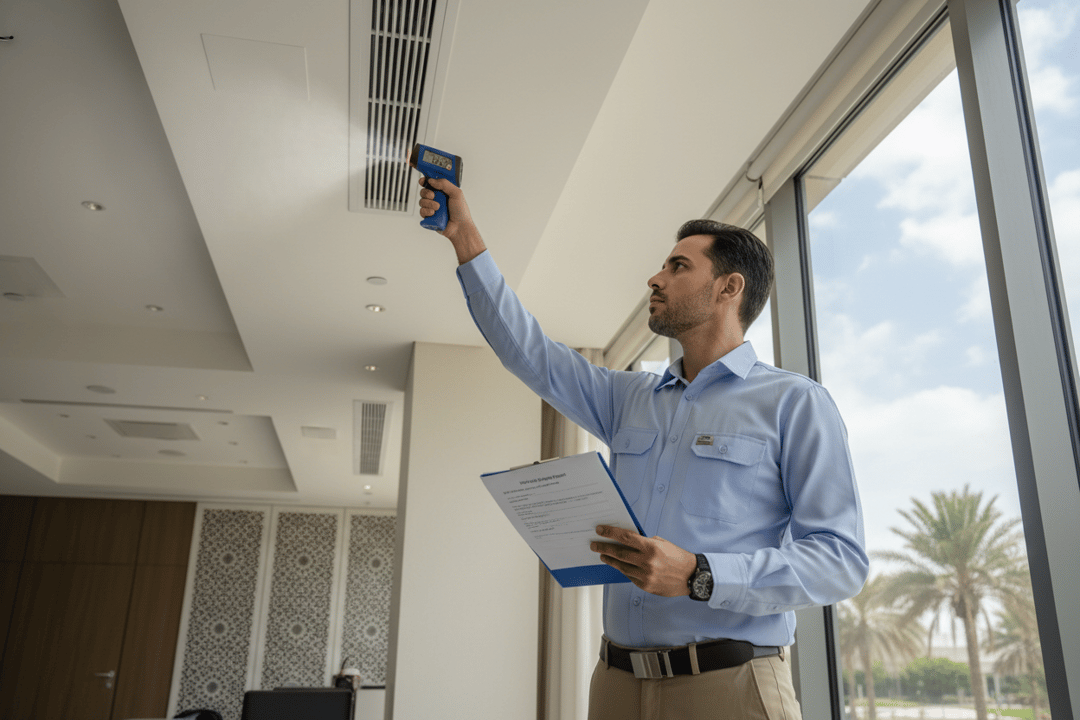
In the UAE, a non-functional rear AC system in a family vehicle is a safety concern, not just a comfort issue. Children are more susceptible to heat-related illness than adults. The HVAC inspection checks rear AC function separately — rated as Working or Not Working. The AC system must blow Very Cold with the cabin fully loaded on a summer day. A system rated as Cool rather than Very Cold cannot maintain safe temperatures for rear-seat passengers when outside temperatures exceed 45 degrees.
AutoFay inspects 410 checkpoints with special attention to safety systems, with HD photos and a detailed PDF report. On-location inspection across all 7 Emirates. Book at autofay.ae or call +971-54-258-4458.



0 Comments
No comments yet. Be the first to share your thoughts!