

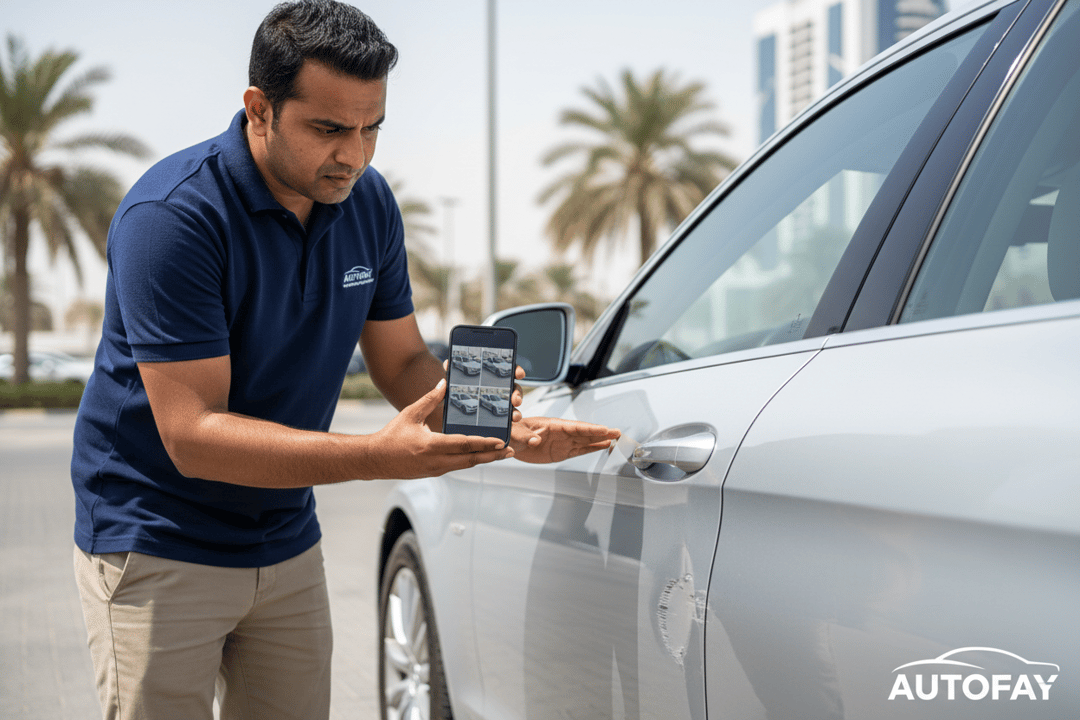
Dubizzle and Facebook Marketplace are where most used car transactions in the UAE begin. A buyer scrolls through listings, filters by make, model, year, and price, and contacts sellers based on photos and descriptions. But the distance between a listing and reality can be enormous. The car in the photos may have been washed and waxed moments before shooting. The description says "no accidents" when the frame tells a different story. An inspection is the only way to verify what an online listing claims.
What Listings Cannot Tell You
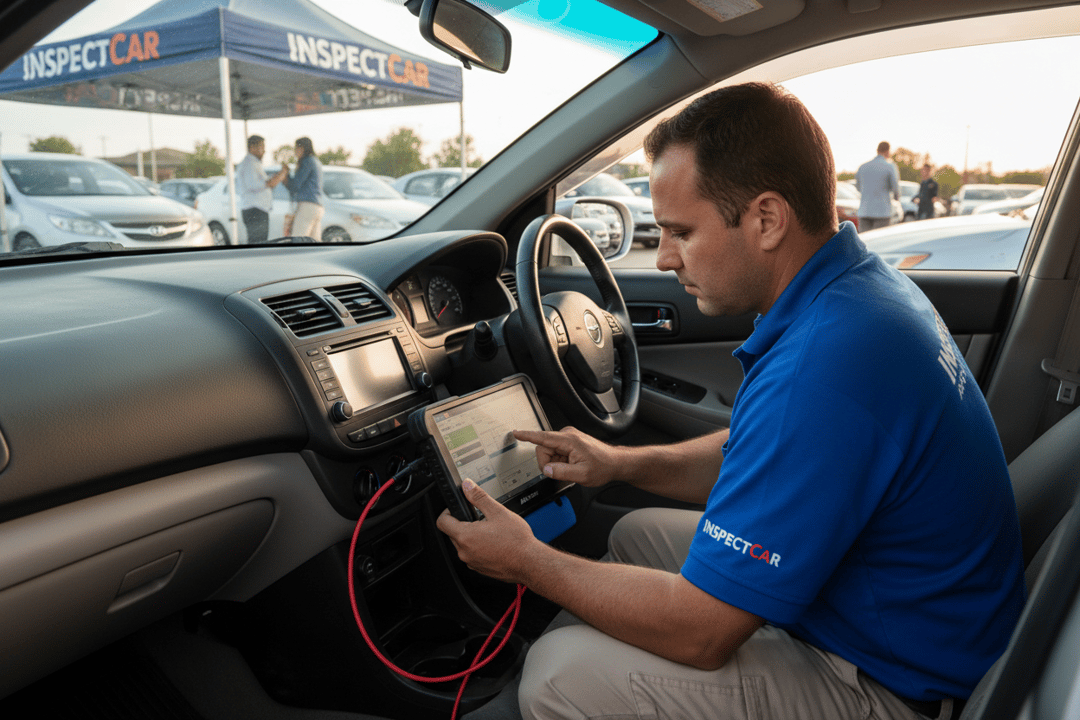
No listing includes OBD scanner results. No seller posts their car's brake pad percentages. No description mentions that the transmission fluid smells burnt or that three panels have been repainted. Online listings show what the seller wants you to see — clean exterior photos, odometer reading, and a list of features. The information that actually determines whether a car is worth buying lives underneath the surface.
Common listing phrases and what they might hide: "minor scratches only" could mean a full side was repainted after a collision, with only the small remaining scratches mentioned. "Agency maintained" means the car was serviced at a dealership, but it does not mean every service was performed on time or that the car has no mechanical issues. "No accidents" is the seller's claim — only a frame inspection and paint depth measurement can verify it.
Red Flags in Online Listings
Certain patterns in online listings warrant extra caution. Photos taken only from a distance, without close-ups of the engine bay, interior details, or wheel condition, may be hiding damage. A listing with very few photos when most sellers post many suggests the seller is selectively showing the car's best angles. A price significantly below market value for the year, make, and model could indicate hidden problems the seller knows about.
Listings that mention a recent paint job should raise questions — why was the car repainted? A full respray can hide accident damage, and the body inspection's panel-by-panel paint assessment (Original, Repainted, Total Repainted) reveals exactly which panels were refinished. Listings from accounts with no history or that were just created may be from commercial flippers who buy damaged cars, do cosmetic repairs, and resell at a profit.
Verifying Seller Claims Through Inspection
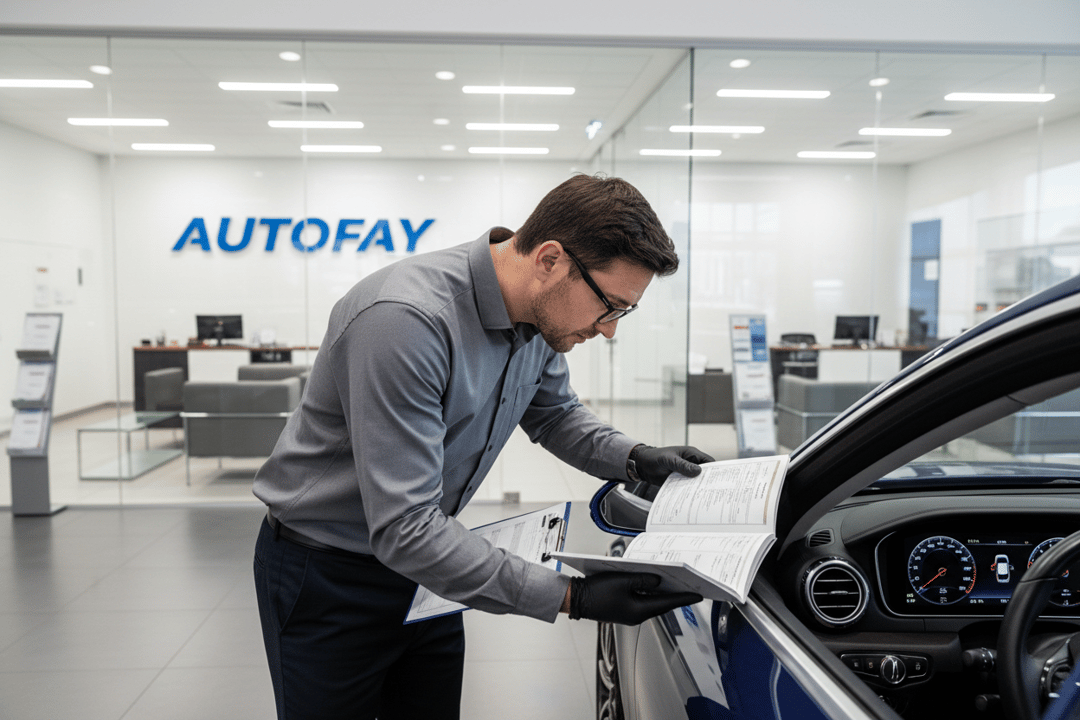
The inspection systematically verifies or contradicts every major seller claim. "No accidents" is tested through the frame condition inspection — 27 structural points that show whether any part of the frame has been repaired, welded, or replaced — and the body inspection that checks every panel for repaint evidence. "Low mileage" is cross-referenced with wear indicators — a car with stated low mileage but worn pedals, a heavily worn steering wheel, and seats with significant wear may have had its odometer tampered with.
"Everything works" is tested across every electrical and mechanical system. Power windows, infotainment, HVAC, all exterior lights, all safety systems, and power features are each checked individually. A seller who claims everything works but has three non-functional parking sensors and a blurry backup camera is either unaware or dishonest — either way, the inspection documents the truth.
The Inspection as a Negotiation Tool
When you find a car on Dubizzle or Facebook Marketplace that looks promising, booking an inspection before finalizing the deal creates use. If the inspection finds worn brake pads, mismatched tires, stored OBD codes, or repainted panels, these findings become negotiation points. The seller cannot argue with a professional report that documents exactly what their car needs.
Many buyers recover more than the inspection cost through price negotiation based on findings. A car listed at full market value but showing three repainted panels and worn suspension components is worth less than the asking price — and the report provides the evidence to support a lower offer.
Private Sellers vs. Dealers on Platforms
Both private sellers and dealers list on Dubizzle and Facebook Marketplace, and the inspection approach differs slightly for each. Private sellers may genuinely not know about problems — they drove the car daily and adapted to the gradually worsening AC or the slight steering pull. The inspection catches what familiarity hides.
Dealers on these platforms may have purchased the car at auction or from another dealer, done cosmetic preparation, and listed it with limited knowledge of its history. Some dealers perform their own inspections, but these are often focused on appearance rather than mechanical depth. An independent third-party inspection — one that the buyer commissions — provides unbiased findings that are not influenced by the seller's desire to complete the sale.
AutoFay inspects 410 checkpoints to verify every claim in any online listing, with HD photos and a detailed PDF report. On-location inspection across all 7 Emirates. Book at autofay.ae or call +971-54-258-4458.


0 Comments
No comments yet. Be the first to share your thoughts!