

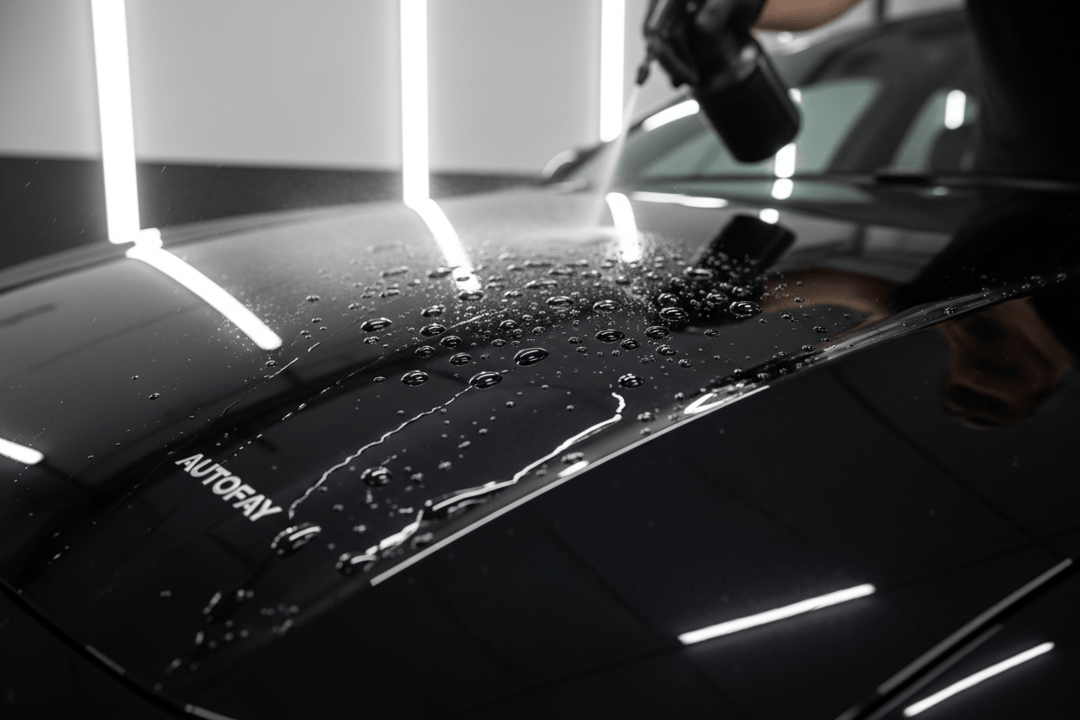
Ceramic coating has become one of the most popular aftermarket treatments for cars in the UAE. The coating creates a hydrophobic, glossy surface that repels water and makes the car easier to clean. For sellers, a fresh ceramic coating application before listing the car is a common tactic — it makes the paint look flawless and adds perceived value. For buyers, understanding what ceramic coating does and does not do is essential for evaluating a car's true paint condition.
What Ceramic Coating Does and Does Not Do
Ceramic coating is a clear, hard layer applied on top of the existing paint. It provides UV protection, chemical resistance, and makes the surface hydrophobic. What it does not do is repair existing paint damage. Swirl marks, scratches, and paint chips that exist before application remain under the coating. A freshly applied ceramic coating can temporarily make these defects less visible because the high-gloss surface reflects light uniformly, but the underlying damage is still there.
This is directly relevant to AutoFay's paint inspection. Each panel is assessed for paint condition — Original, Repainted, or Total Repainted. Ceramic coating does not change the underlying paint status. A panel that was repainted after an accident and then ceramic coated is still a repainted panel. The coating may make it harder to detect color differences between adjacent panels at a glance, but trained inspectors examine panels systematically under different lighting angles and can identify inconsistencies that the coating's uniform gloss might otherwise mask.
Paint Chips and Coating Failure
Paint chips — rated None, Minor, Moderate, or Severe — can develop even on ceramic-coated vehicles. Highway stone chips penetrate both the ceramic layer and the paint underneath. The difference is that on a coated car, the surrounding area stays glossy while the chip creates a stark contrast, making chips more visually obvious rather than less. Over time, if chips are not addressed, moisture can work its way under the ceramic coating around the chip, causing the coating to delaminate in that area and creating a larger affected zone than the original chip.
In the UAE, the front-facing surfaces — front bumper, hood, and windshield lower edge — take the most stone chip damage regardless of coating. Our body inspection documents these chips panel by panel, giving buyers a clear picture of which panels need touch-up or correction before the coating can be effectively reapplied.
Repaints Hidden Under Ceramic
A seller who has a panel repainted and then applies ceramic coating over the repair has created a surface that looks uniform and factory-fresh. The ceramic layer gives the repainted panel the same gloss and water-beading behavior as original panels. Body panel alignment — rated Good, Slight Misalignment, or Major Misalignment — and the condition rating of each panel become more important when ceramic coating is present because visual color matching is harder. Inspectors check gap consistency between panels, look for overspray on adjacent surfaces, and examine rubber seals and trim for paint contamination that indicates a recent repaint.
Corrosion underneath ceramic coating is a less common but more concerning issue. If the car has paint damage that was not properly treated before the coating was applied, rust can develop under the ceramic layer. The coating seals the rust in, preventing it from being visible while allowing it to continue spreading underneath. Our corrosion rating (None, Minor, Moderate, or Severe) from the body inspection catches visible corrosion, while the frame inspection examines all structural components where corrosion is more likely to develop.
Interior and Ceramic: Not Just Exterior
Some sellers apply ceramic coating to interior surfaces — leather seats, dashboard, and trim — to give the interior a refreshed appearance before sale. Our interior inspection rates each surface independently: dashboard condition (No Visible Fault, Good, Cracked, or Damaged), steering wheel condition, front and rear seats condition, and door panels condition. A ceramic-coated interior feels different to the touch — slicker and less natural — which can actually indicate recent preparation for sale. The underlying condition — wear, cracks, and damage — remains and is assessed by our inspectors regardless of surface treatment.
What Buyers Should Know
Ceramic coating is not a negative. A well-maintained car with quality ceramic coating applied early in its life will have better-preserved paint than an uncoated car. The concern arises when coating is applied specifically before sale to mask issues. Key indicators of pre-sale cosmetic treatment include: coating that looks fresh but the car is several years old, coating applied unevenly or with visible high and low spots, and coating only on certain panels rather than the entire vehicle. AutoFay's inspection evaluates the car's condition beneath any cosmetic treatment, giving buyers data that goes deeper than surface appearance.
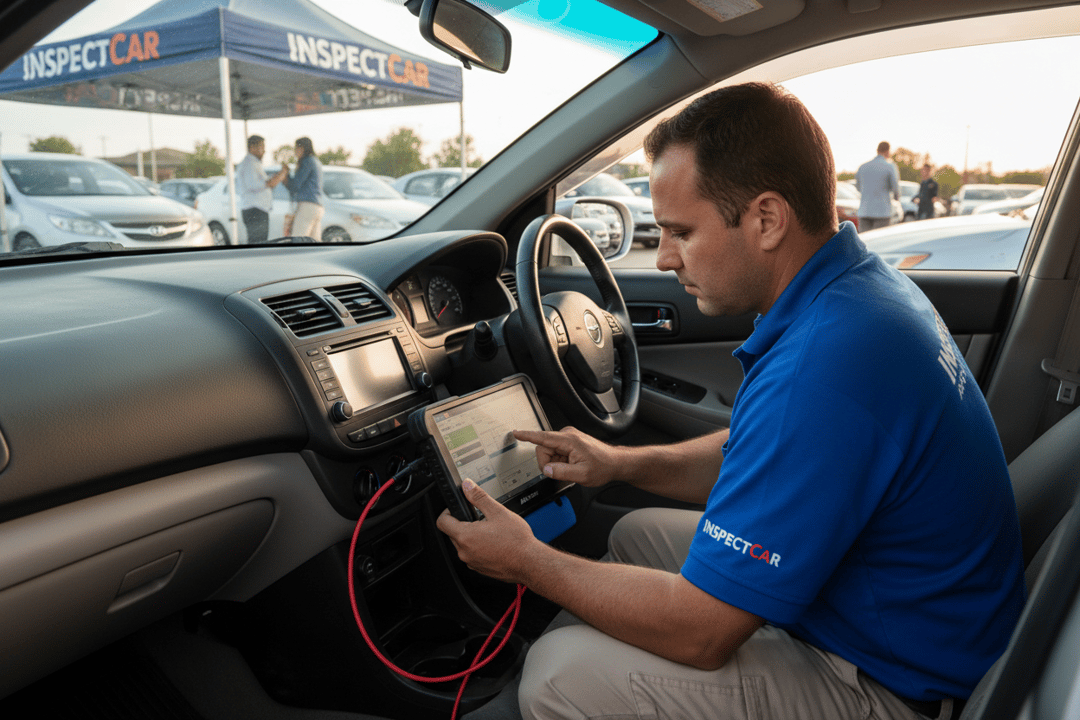
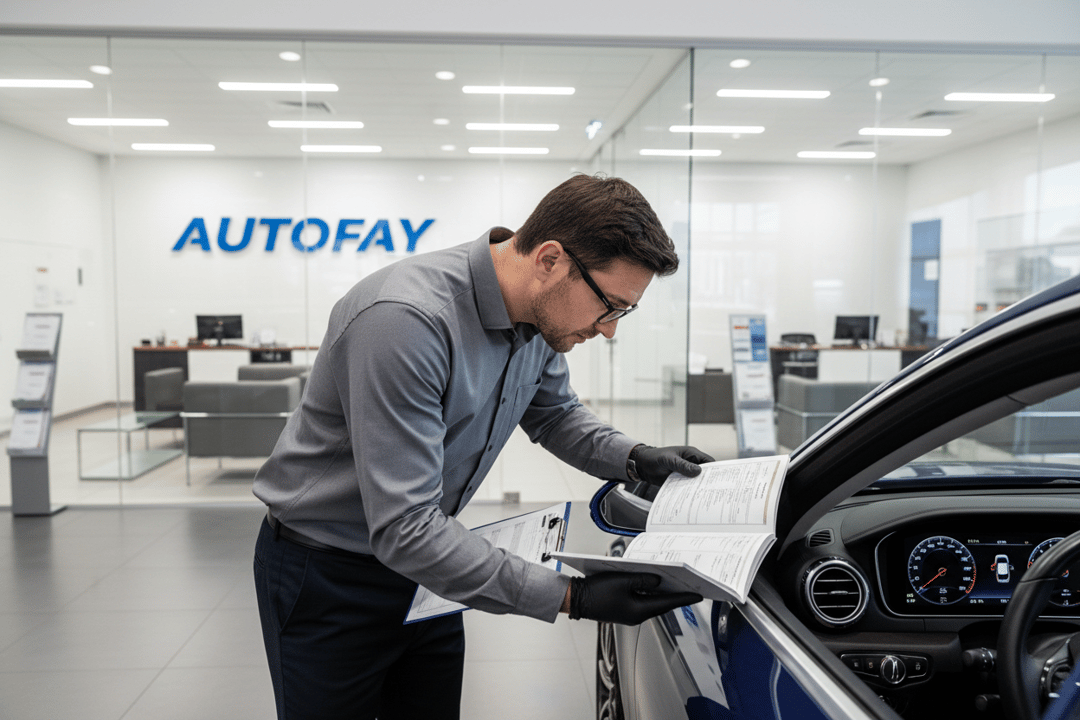
AutoFay inspects 410 checkpoints including comprehensive paint and body assessment, with HD photos and a detailed PDF report. On-location inspection across all 7 Emirates. Book at autofay.ae or call +971-54-258-4458.


0 Comments
No comments yet. Be the first to share your thoughts!