

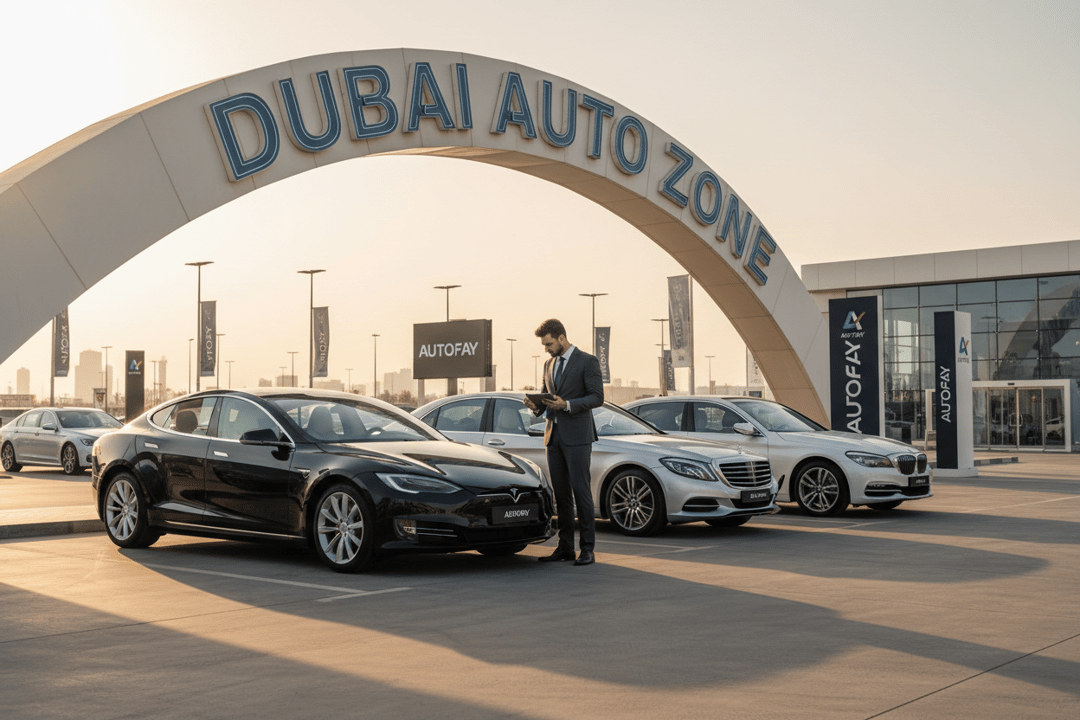
Timing matters when buying a used car in the UAE. The market is influenced by seasonal patterns, economic cycles, and events unique to a country where a large portion of the population are expatriates on renewable contracts. Understanding these patterns helps buyers find better deals — but a good price on a bad car is still a bad deal. Every purchase, regardless of timing, should include a professional inspection.
Summer: June Through August
Summer is traditionally the slowest season for the UAE used car market. Temperatures exceed 45 degrees Celsius, making outdoor car shopping unpleasant. Many expatriate families leave the country for summer holidays, reducing the buyer pool. Dealerships see lower foot traffic and may be more willing to negotiate on inventory they want to move before the busy season returns.
However, summer also means fewer new listings. Sellers who do not urgently need to sell often wait for cooler months when they can attract more buyers. The cars available in summer tend to be from sellers who need to sell — people leaving the country, those upgrading for the new school year, or dealers clearing aged inventory. These motivated sellers create negotiation opportunities, but the reduced selection means finding the right car takes more patience.
September and October: The Post-Summer Rush
As temperatures drop and people return from summer holidays, the market comes alive. New model year vehicles arrive at dealerships, and owners who want the latest model trade in their current cars. These trade-ins flood the used market with relatively fresh vehicles — cars that are one or two years old with low mileage and remaining warranty. This is often the best time to find recent model used cars at competitive prices.
The back-to-school period also drives purchases. Families returning to the UAE may need a second car or want to upgrade their existing vehicle. This increased demand can push prices up on popular family vehicles like SUVs and minivans, but the increased supply of trade-ins generally keeps the overall market balanced.
December Through February: Expat Departure Season
The end of the calendar year and the beginning of the new year see a wave of expat departures. Professionals whose contracts end, families relocating, and those who have decided to leave the UAE all need to sell their cars before departing. These sellers are motivated by deadlines — visa cancellation, shipping container bookings, and flight dates create urgency that works in the buyer's favor.
Cars sold under departure pressure are often well-maintained vehicles from owners who took care of them during their time in the UAE. The inspection is especially important here because a departing seller cannot be contacted for warranty claims or follow-up issues after they leave the country. What the inspection report says is the last word on the car's condition — there is no going back to the seller once they have left.
Ramadan and Eid Periods
During Ramadan, the pace of business slows across the UAE. Car shopping decreases as daily routines change, and many buyers postpone major purchases until after Eid. Some dealerships offer Ramadan promotions on both new and used inventory, creating opportunities for buyers who are willing to shop during the quieter period.
After Eid al-Fitr and Eid al-Adha, spending increases and the market picks up. Buyers who have been waiting make their moves, and prices can firm up as demand returns. The period immediately before Eid can be a sweet spot — sellers want to close deals before the holiday, and buyers have less competition.
New Model Launch Impact
When a popular model gets a significant redesign — a new generation Land Cruiser, a redesigned Patrol, or a refreshed Camry — owners of the outgoing model rush to sell before their car's value drops further. This creates a temporary oversupply of the previous generation at attractive prices. These are often excellent buying opportunities because the previous generation is a known, proven vehicle with established reliability data.
The key is that model year changes do not affect mechanical condition. A 2023 model inspected in 2026 can be in better condition than a 2025 model driven hard for two years. The inspection report does not care about model year — it measures actual condition across 410 checkpoints. Body panel alignment, engine health, fluid conditions, brake wear, and frame integrity tell the true story regardless of when the car was built.
Timing Does Not Replace Inspection
Market timing helps you find a better price, but it does not protect you from hidden problems. A car offered at a great price during summer could have a repaired frame, burnt transmission fluid, and three repainted panels. A car priced at full market value during peak season could be flawless. The inspection separates good deals from expensive mistakes, regardless of when you buy.
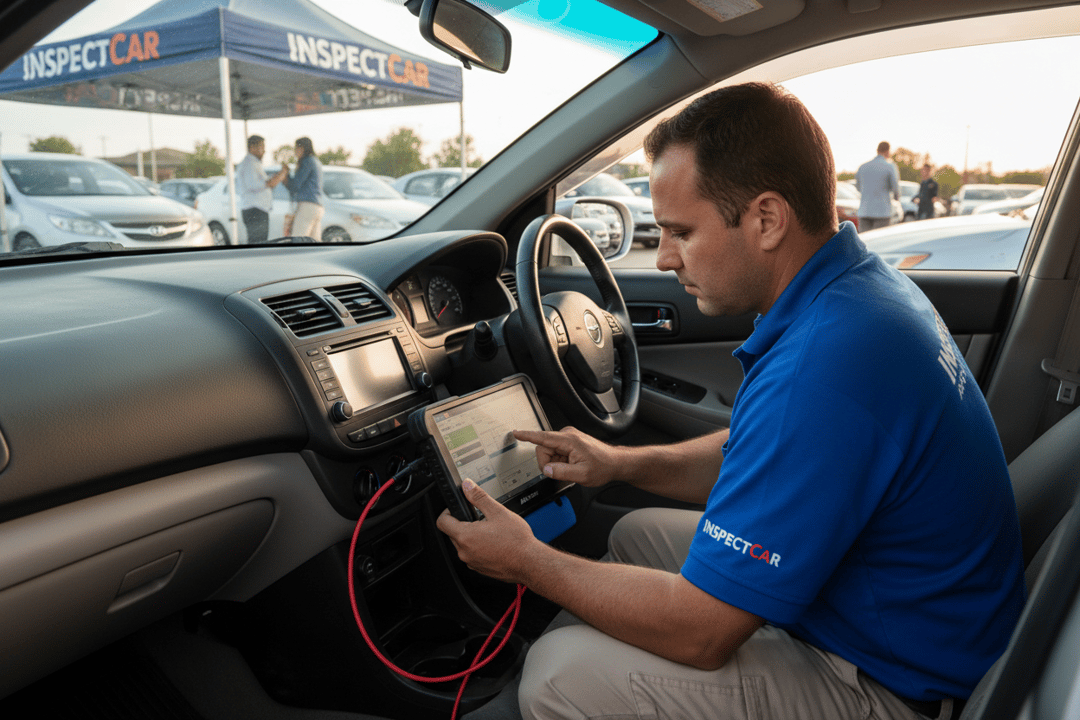
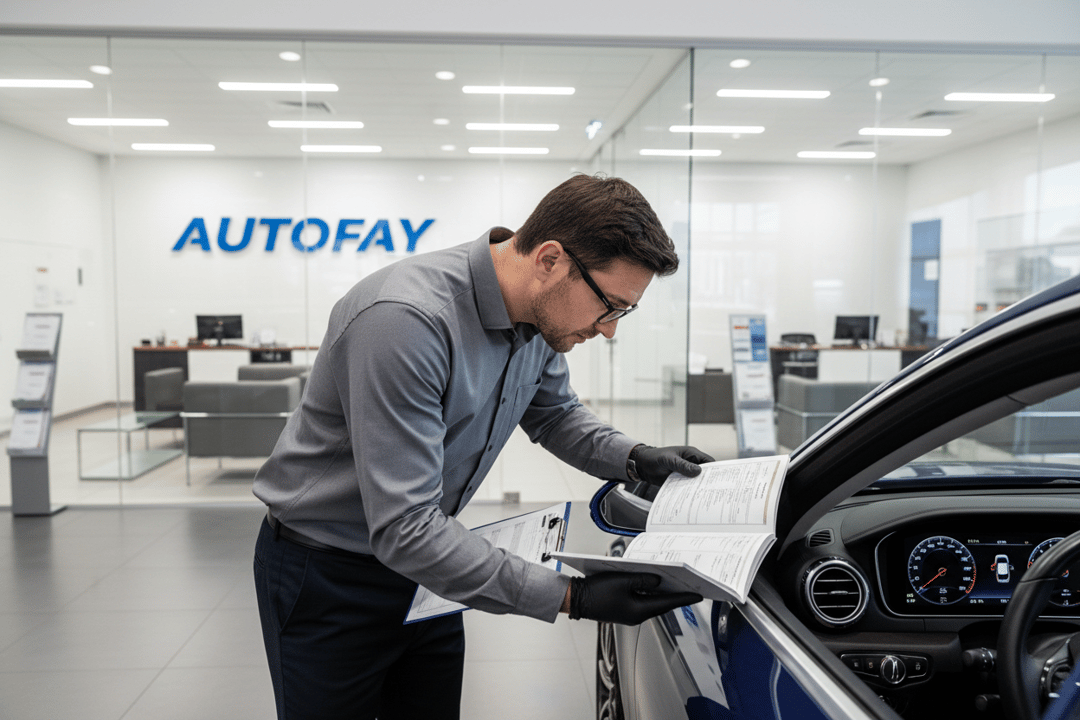
AutoFay inspects 410 checkpoints year-round, with HD photos and a detailed PDF report. On-location inspection across all 7 Emirates. Book at autofay.ae or call +971-54-258-4458.


0 Comments
No comments yet. Be the first to share your thoughts!