
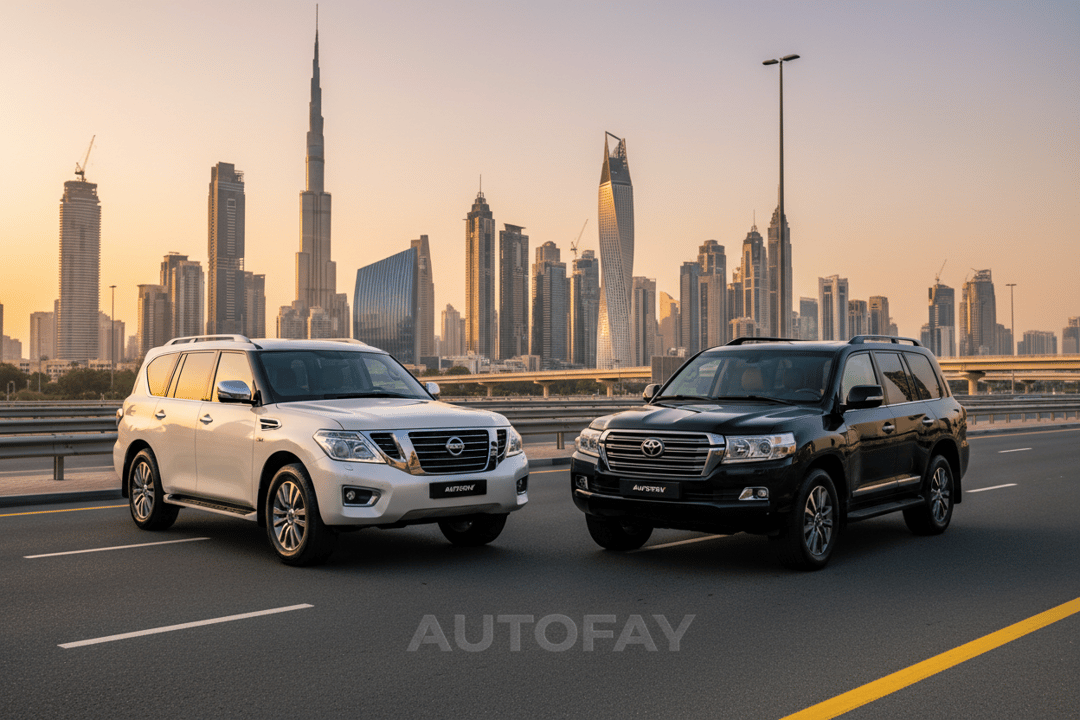
The Nissan Patrol and the Toyota Land Cruiser occupy a unique, almost mythical space in the UAE automotive landscape. Both vehicles are engineered to withstand extreme temperatures, navigate treacherous terrain, and carry heavy loads. However, beneath the rugged exteriors lies a distinct divergence in engineering philosophy, maintenance requirements, and long-term reliability. For a buyer navigating the used market, understanding these differences is not optional; it is the primary factor determining which vehicle will provide years of trouble-free service and which will become a financial burden.
The Engineering Divide: Simplicity vs. Sophistication
The fundamental difference between these two titans lies in their approach to powertrain design. The Toyota Land Cruiser, particularly in its current iterations, relies on a philosophy of bulletproof simplicity. The 1GR-FE V6 engine is renowned for its ability to run for hundreds of thousands of kilometers with minimal intervention. It utilizes a cast iron block and head design that resists warping under stress, and its timing chain system is generally considered virtually indestructible compared to competitors.
In contrast, the Nissan Patrol has historically utilized aluminum V6 engines with plastic intake manifolds and complex timing chain systems. While these engines produce ample torque and are generally capable, their aluminum construction makes them more susceptible to overheating under severe load. Furthermore, the electrical architecture in newer Patrol models often includes more sensors and control modules than the Land Cruiser. This increased complexity introduces more potential points of failure regarding sensors, actuators, and the vehicle's computer system.
Common Inspection Findings in the UAE Market
When a experienced inspector evaluates these vehicles, the findings often align with their mechanical differences. For the Land Cruiser, inspectors prioritize the chassis integrity. Because these vehicles are frequently used as fleet cars or workhorses, the frame rails can suffer from stress fractures if the vehicle has been used for off-road recovery or towing without proper equipment. Rust is the enemy of the Land Cruiser, particularly in the wheel arches and the chassis rails, where salt and humidity in coastal Emirates accelerate corrosion.
For the Nissan Patrol, the inspection focus shifts toward the suspension and the engine bay. The Patrol’s suspension geometry is designed for comfort, which means the rubber bushings and control arm mounts degrade faster than those on the Land Cruiser. Inspectors frequently identify cracked sway bar links and worn ball joints in Patrols. Additionally, the valve cover gaskets on the Patrol’s engines are notorious for oil leaks. In a hot climate, failing gaskets do not just result in a mess; they lead to low oil levels, increased engine wear, and the risk of a fire if oil contacts hot exhaust components.
- Toyota Land Cruiser: Focus on chassis rust and frame alignment.
- Nissan Patrol: Focus on suspension bushing integrity and engine oil leaks.
- General: Both require careful inspection of the braking system, as heavy vehicles place immense stress on calipers and rotors.
Maintenance: The Consequences of Neglect
Reliability is not just about build quality; it is about how the owner maintains the vehicle. Ignoring brake fluid changes in either vehicle leads to corrosion inside the brake lines, compromising the hydraulic pressure needed to stop the car safely. Neglecting the transmission fluid in the Patrol can lead to a slipped gear or a total transmission failure, which renders the vehicle undrivable and voids resale value instantly.
While the Land Cruiser has a reputation for reliability, it is not invincible. The timing belt, if equipped, must be changed at strict intervals. Failure to replace a worn timing belt on a Land Cruiser results in catastrophic engine failure, often bending valves and ruining the cylinder head. Therefore, the "cost" of maintenance is not a price tag, but the consequence of inaction: total engine replacement or the inability to drive the vehicle.
Comparative Inspection Framework
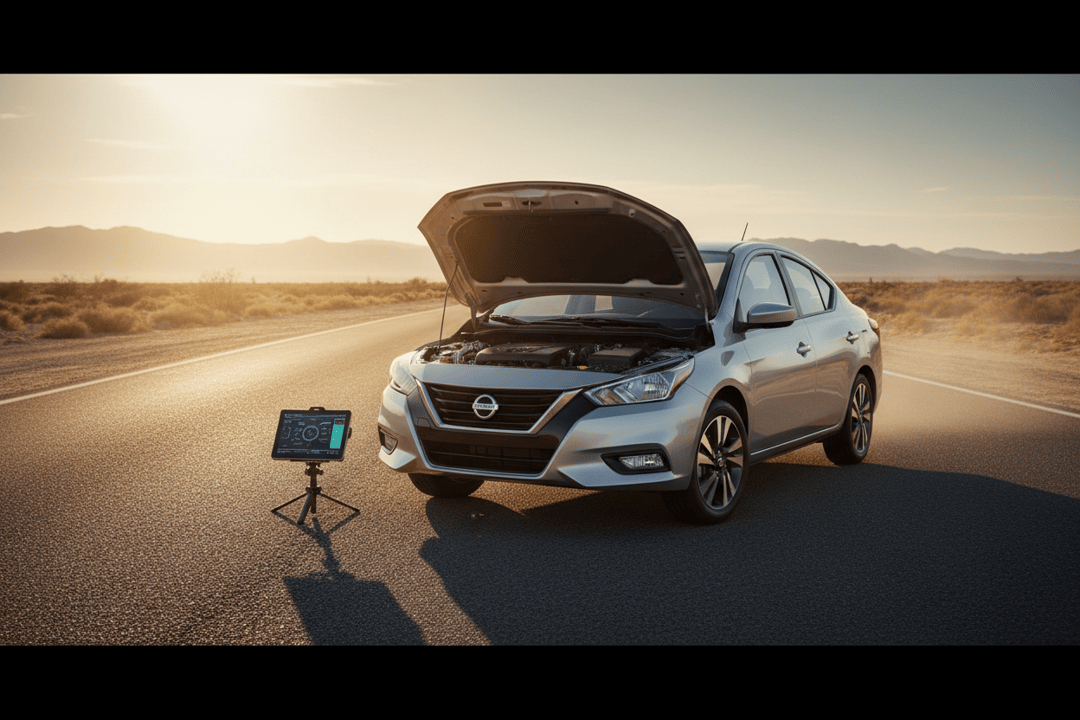
Professional inspection services provide a structured approach to uncovering hidden issues. A comprehensive evaluation involves over 410+ checkpoints across 25 distinct categories. The process begins with a visual assessment of the body and paint to ensure the vehicle has not been in a major accident that compromised structural safety.
Inspectors use computer diagnostics to read error codes from the Engine, Transmission, ABS, and Airbag systems. This step is critical for the Patrol, as its complex electronics can throw obscure codes that indicate sensor degradation rather than a significant failure. The frame is checked for any signs of welding, which can indicate previous accident damage that weakens the vehicle's structural rigidity. Finally, a road test evaluates the vehicle’s performance under load, checking for vibrations, unusual noises, and brake fade.
| Inspection Category | Toyota Land Cruiser Priority | Nissan Patrol Priority |
|---|---|---|
| Frame & Chassis | Rust inspection in rails and pillars | Stress fractures in load-bearing areas |
| Engine & OBD | Check for exhaust smoke and oil consumption | Scan for electrical faults and leak codes |
| Suspension | Shock absorber fluid leaks | Cracked rubber bushings and worn ball joints |
| Fluids | Transmission fluid condition | Brake fluid corrosion levels |
The Smarter Purchase Strategy
The decision between a Patrol and a Land Cruiser depends entirely on the buyer's usage and budget. The Toyota Land Cruiser offers the highest liquidity in the UAE market. Its reputation for longevity commands a premium, and it is easier to sell later. If the vehicle is tracked well and serviced, the Toyota is the safer, "no-brainer" purchase for a buyer who wants a vehicle that retains its value.
The Nissan Patrol often offers better value for money, particularly in the used market. For buyers who prioritize interior space, luxury, and ride comfort over extreme ruggedness, the Patrol is the superior choice. However, this value comes with the responsibility of vigilant maintenance. A well-maintained Patrol can last just as long as a Land Cruiser, but it requires a more attentive owner who monitors oil levels and suspension components closely.
Leveraging Professional Insight
The distinction between a good buy and a significant issue purchase lies in the details that the untrained eye misses. The difference between a car with 100,000 kilometers and a car with 250,000 kilometers often comes down to the quality of the fluids used and the care taken during repairs. Professional inspection is the only way to verify that the previous owner did not cut corners on safety-critical components.
A vehicle inspection provides a digital footprint of the car's condition. It delivers HD photos and a detailed PDF report documenting every finding. This documentation is essential when negotiating the price, as it gives the buyer leverage if the vehicle has hidden defects. For potential buyers, investing in a thorough pre-purchase inspection is not an expense; it is a risk mitigation strategy that prevents unforeseen mechanical failures.
AutoFay inspects 410+ checkpoints with HD photos and PDF report. Book at autofay.ae or call +971542584458
0 Comments
No comments yet. Be the first to share your thoughts!