
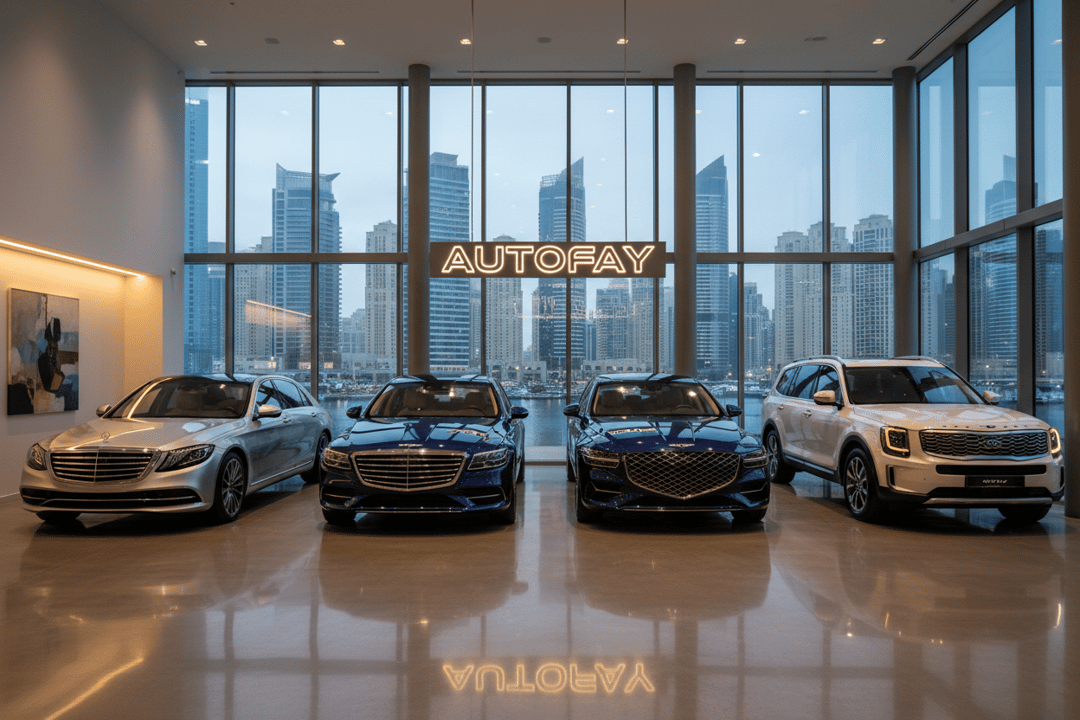
The United Arab Emirates market presents a unique dichotomy for vehicle consumers. Simultaneously, the dominance of German engineering competes with the value-oriented approach of Korean manufacturers. Owners often weigh initial purchase price against long-term ownership costs. Understanding the divergence between these two origins requires looking beyond the dashboard.
The Engineering Divide
German automakers prioritize precision engineering and performance over sheer mass production. This results in vehicles with advanced technology and superior handling characteristics. However, this pursuit of complexity introduces inherent fragility in specific components. Korean manufacturers focus on reliability, durability, and cost-efficiency during the assembly process. This approach creates vehicles that withstand harsh environments but may lack the refined driving dynamics of their European counterparts.
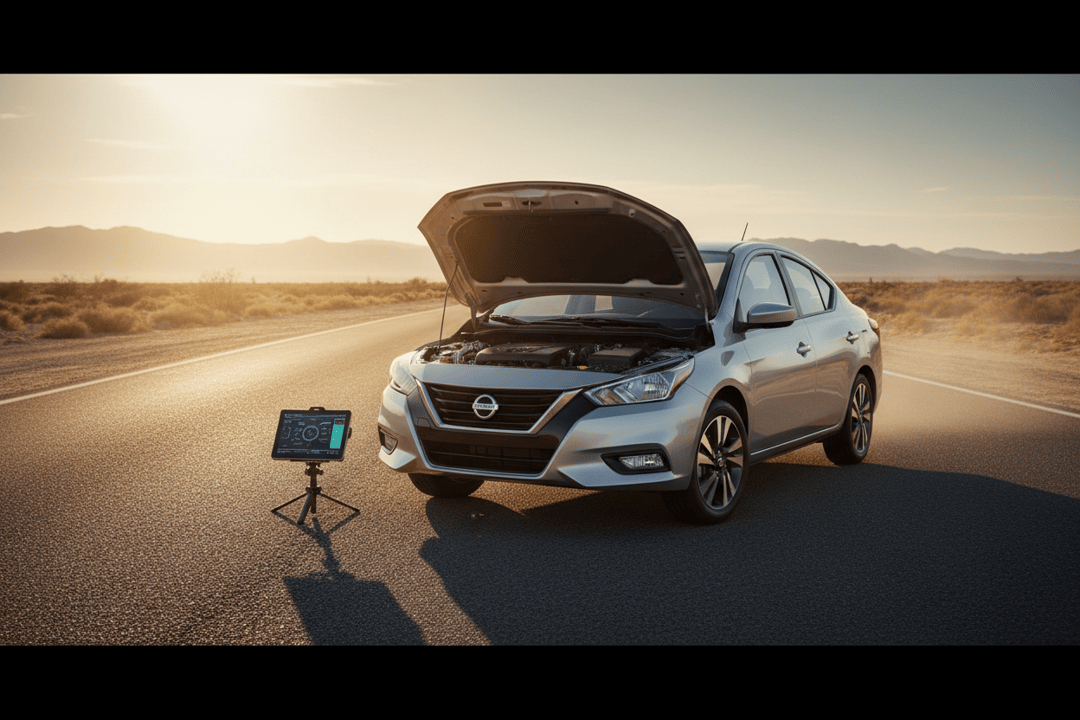
Distinguishing between these two archetypes requires a technical evaluation of the vehicle’s condition. A standard visual inspection is rarely sufficient to uncover underlying issues. Professional assessment provides a clear picture of the car's health. AutoFay offers a on-location inspection service covering all seven Emirates.
Maintenance Cost Implications
German vehicles generally command higher maintenance budgets due to the specialized nature of their components. The intricate electronic systems require precise calibration. Failure to adhere to strict service intervals accelerates component degradation. Korean vehicles are generally more forgiving regarding maintenance schedules. Their mechanical components are designed to endure more abuse before failing.
Early detection of mechanical issues prevents catastrophic engine failure. Ignoring warning signs in a well-engineered German vehicle often leads to exponentially higher repair bills. Conversely, neglecting a Korean vehicle may result in standard wear and tear issues that are easily rectified. The cost of a preliminary diagnosis must be viewed as a preventative measure against future expenses.
Investing in a thorough diagnostic scan is the most effective way to manage maintenance costs. The Computer Diagnostic service starts at an affordable AED 99. This package identifies engine, transmission, and electronic faults instantly. For a more detailed examination, the Body & Computer package at AED 250 evaluates both the physical condition and the car's electronic brain. These low-cost checks ensure that minor issues do not escalate into major repairs.
Inspection Failure Patterns
Inspection failures reveal the Achilles' heels of each origin. German cars frequently fail inspections due to electrical faults and suspension wear. The complex wiring harnesses are susceptible to moisture ingress in the UAE climate. Additionally, high-performance brakes and suspension components often show signs of fatigue earlier than expected.
Korean vehicles tend to fail inspections based on general wear and tear. Suspension bushings, rubber hoses, and brake pads are common failure points. While they lack the electronic glitches, their durability is often tested by the road conditions found in the Emirates.
A comprehensive inspection covers 25 distinct categories to ensure accuracy. The Comprehensive AED 299 package is the industry standard for buyers and sellers. This inspection evaluates the entire vehicle, ensuring no critical systems are overlooked. Key areas of focus include the engine, brakes, suspension, and the vehicle's frame.
- Engine Assessment: Inspectors listen for unusual sounds and check for smoke color to diagnose combustion issues.
- Brake System: The pad percentage rating determines if replacement is immediately necessary.
- Suspension & Frame: Inspectors check the rails, pillars, and floor pan for structural integrity.
- Road Test: Acceleration, braking, and noise levels are measured to assess driving dynamics.
Parts Availability and Logistics
Parts availability significantly impacts the total cost of ownership in the UAE. German vehicles rely on parts shipped from Europe, which can result in long wait times. Purchasing a vehicle with a faulty part can mean weeks without the car. Furthermore, specialized labor for German components is limited to authorized dealerships.
Korean parts are generally more readily available in the region. Due to the sheer volume of these vehicles in the Middle East, local suppliers stock high volumes of components. This accessibility reduces downtime and labor costs. Owners of Korean vehicles can typically find generic or OEM parts quickly.
Fluids and consumables also dictate the frequency of maintenance. Inspections confirm that fluid levels and conditions are within acceptable limits. Contaminated fluids can cause significant damage to engines and transmissions over time. Regular checks ensure the vehicle operates efficiently, regardless of the manufacturer's origin.
Resale Value Dynamics
German cars hold their value exceptionally well during the first few years of ownership. The prestige associated with the badge attracts a dedicated buyer pool. However, as the vehicle exceeds five years of age, depreciation accelerates rapidly. Major repair expenses often deter buyers, causing the resale price to plummet.
Korean cars depreciate more steadily across their lifecycle. While they lack the premium price tag at the end of their life, they retain a larger percentage of their initial value compared to luxury vehicles. Their lower maintenance costs make them attractive to buyers looking for practicality. The market views them as dependable workhorses rather than status symbols.
| Feature | German Origin | Korean Origin |
|---|---|---|
| Engineering Focus | Performance, Precision, Electronics | Durability, Cost-Effectiveness, Volume |
| Typical Failure Points | Electrical glitches, Suspension wear | General wear, Body panel repairs |
| Parts Logistics | Long lead times from Europe | Fast local availability in UAE |
| Inspection Priority | Electronic systems, Frame integrity | Fluids, Tires, Wear components |
The decision between a German and a Korean vehicle should be based on a realistic assessment of the car’s current health. Relying on a dealership's word is insufficient. A third-party evaluation provides an objective baseline for negotiation and future planning.
Inspecting the car’s history is critical for both origins. A vehicle may have been well-maintained by the previous owner, or it may be hiding latent issues. Detailed records offer insight into the maintenance performed. However, a physical inspection reveals the reality of the vehicle's condition.
Body and paint condition can indicate the severity of past accidents. A panel-by-panel inspection identifies whether repairs were done to factory standards or if the frame has been compromised. Structural damage can severely impact the safety and longevity of any vehicle, regardless of its origin.
AutoFay inspects 410+ checkpoints with HD photos and PDF report. Book at autofay.ae or call +971542584458
0 Comments
No comments yet. Be the first to share your thoughts!