
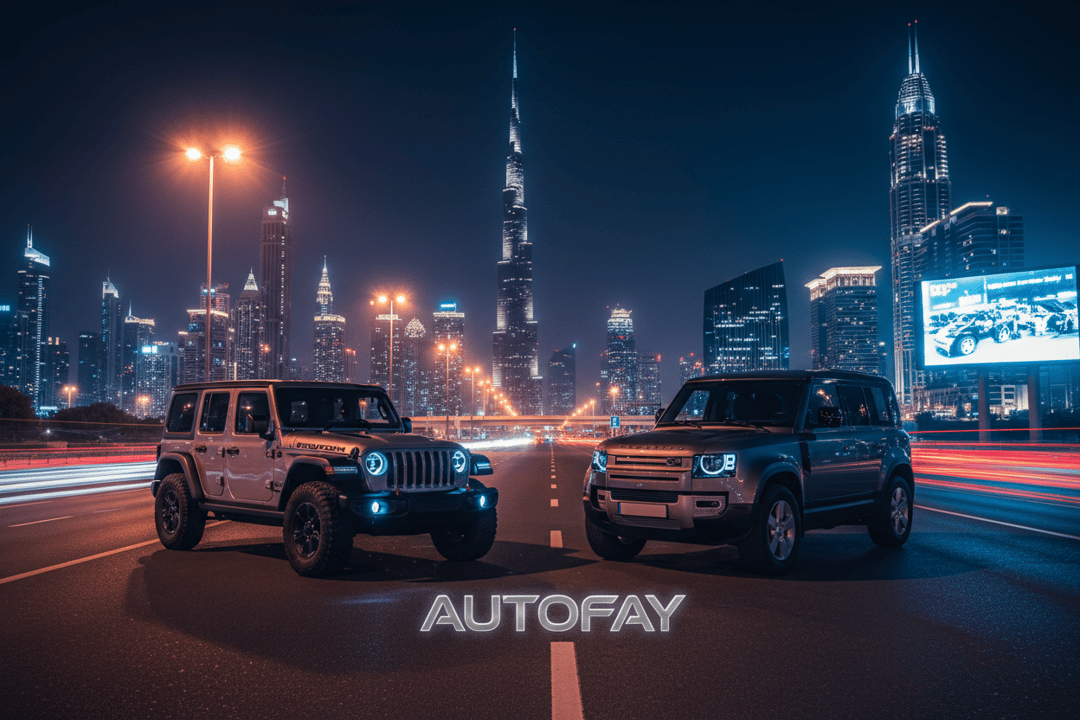
The selection of a Jeep Wrangler versus a Land Rover Defender represents a significant divergence in automotive philosophy within the UAE market. One prioritizes mechanical durability and off-road capability, while the other emphasizes luxury, technology, and ride comfort. For buyers in the region, where extreme heat and uneven terrain are common, understanding the specific inspection vulnerabilities of these icons is critical. Professional vehicle assessment requires a deep understanding of these platforms to differentiate between genuine maintenance needs and critical safety failures.
Structural Integrity and Rust Susceptibility
Inspectors must first evaluate the chassis architecture, as this dictates the vehicle's longevity and repair potential. The Jeep Wrangler (JK and JL generations) utilizes a body-on-frame construction. This design isolates the cabin from the chassis, allowing for a stiffer ride but exposing the frame to potential impact damage during off-roading. In the UAE, salt and humidity can accelerate corrosion, particularly in the wheel wells and frame rails. A thorough inspection involves probing the frame for hairline cracks or rust bubbles that compromise structural rigidity.
The Land Rover Defender (L663) employs a ladder frame chassis, similar in concept to the Jeep but constructed with high-strength aluminum alloy. This material reduces weight but makes the vehicle susceptible to corrosion where panels are riveted or bolted together. The high ride height common in UAE modifications increases the risk of underbody scraping, which can damage the protective coating on the chassis. An inspector checking the frame must look for signs of impact damage to the subframe or differential housing, as repairs here are structurally invasive.
Jeep Wrangler: Mechanical Simplicity and Oil System Issues
The Wrangler is renowned for its engine simplicity, yet modern iterations introduce complexity that can lead to expensive failures. The 3.6L Pentastar V6 is a torque powerhouse but is frequently associated with oil consumption issues and lifter failures. If an inspector detects low oil levels or gray smoke from the exhaust, the vehicle likely has internal engine wear. Ignoring these symptoms leads to catastrophic engine seizure, rendering the vehicle undrivable.
- Suspension Bushings: The Wrangler's solid axle suspension relies heavily on rubber bushings to absorb vibration. These degrade rapidly in high-temperature environments.
- Electronics: Modern Wranglers house complex computers for their 4x4 systems. A malfunction here can disable the entire drivetrain, requiring a specialized computer diagnostic.
When evaluating a Wrangler, the technician must inspect the leaf springs or coil springs for sagging. Uneven suspension heights indicate worn components. While parts are readily available, the labor-intensive nature of suspension work makes DIY repairs difficult for most owners.
Land Rover Defender: The Electrical Minefield
The Defender represents a leap in automotive technology, specifically in its electrical architecture. While the mechanical underpinnings are robust, the sheer volume of sensors and wiring makes it prone to electrical gremlins. The high-voltage battery in PHEV models introduces thermal management risks that do not exist in the Jeep. Inspectors must look for stored error codes in the OBD system, which reveal past component failures.
The most critical area of inspection is the cooling system. The Defender's radiator and electric cooling fans are essential for maintaining temperature in stop-and-go UAE traffic. A failure here leads to overheating, which can warp cylinder heads or seize the engine. Furthermore, the transmission cooler lines are prone to corrosion due to the vehicle's age. A rupture here results in a rapid loss of transmission fluid, causing immediate transmission failure.
- Wiring Harnesses: The Defender's main harness is vulnerable to moisture ingress. Water exposure degrades insulation, leading to intermittent electrical faults.
- Tyre Pressure Monitoring: This system is notoriously difficult to repair in the Defender. Sensor failures are common, and a malfunctioning system can trigger the traction control warning light.
Transmission and Drivetrain Behavior
Both vehicles typically utilize the ZF 8-speed automatic transmission, but their interaction with the engine differs significantly. In the Jeep Wrangler, the transmission manages engine braking and on-road efficiency. A common complaint is harsh shifting or delayed engagement. An inspector listening to the transmission during a road test can identify worn bushings or valve body issues.
The Land Rover Defender, particularly PHEV models, couples the transmission with an electric motor. This creates immense torque on startup. If the transmission mounts are worn or if the software calibration is outdated, the vehicle may jerk violently during gear changes. This violent movement transmits stress to the engine mounts and the chassis mounts. Failure to address worn mounts leads to excessive drivetrain vibration and potential damage to the transfer case.
Inspection Methodology and Safety Systems
Assessing these vehicles requires a systematic approach to uncover hidden defects. A preliminary scan of the On-Board Diagnostics (OBD) port reveals stored codes that the seller may attempt to hide. The "Computer Diagnostic AED 99" service provides immediate access to engine, transmission, ABS, and airbag fault codes. This data is the first line of defense against purchasing a vehicle with latent safety issues.
For a complete picture, a visual inspection of the body and paint is necessary. The "Body & Computer AED 250" package inspects panel-by-panel for original paint versus repainted areas. Repainted panels often hide accident damage or rust repairs. Inspectors also check the brake pad percentage rating. Worn front brakes on a high-performance vehicle can indicate heavy use or a malfunctioning parking brake.
Fluids and Cooling System Condition
The condition of fluids is a direct indicator of the vehicle's maintenance history. Engine oil should be amber and free of debris; dark, sludgy oil suggests neglect or internal engine wear. Transmission fluid should be bright red; a burnt smell or a dark brown color indicates the transmission is overheating or has been driven low on fluid.
The coolant system requires special attention in the UAE climate. Coolant levels must be checked, and the system must be flushed periodically to prevent clogging. Clogged radiator cores lead to engine overheating. Inspectors also check the brake fluid for moisture content, as contaminated fluid reduces the stopping distance of the vehicle.
Comparative Inspection Overview
The following table details the typical inspection findings and maintenance priorities for these two vehicles.
| Inspection Category | Jeep Wrangler | Land Rover Defender |
|---|---|---|
| Reliability Focus | Engine oil consumption and suspension bushings. | Electrical faults and cooling system overheating. |
| Common Failure Point | Transfer case output shaft. | Infotainment system and wiring harnesses. |
| Maintenance Cost Consequence | Worn suspension components lead to poor handling and chassis damage. | Failed electronics can disable safety systems and drivetrain control. |
| Inspection Priority | Frame rails, leaf springs, and exhaust system. | Coolant hoses, air filters, and battery terminals. |
Ultimately, the Wrangler generally presents a cleaner inspection profile regarding mechanical simplicity, while the Defender offers luxury but demands rigorous testing of its complex systems. A comprehensive assessment is the only way to ensure these vehicles are roadworthy in the demanding UAE environment.
AutoFay inspects 410+ checkpoints with HD photos and PDF report. Book at autofay.ae or call +971542584458.
0 Comments
No comments yet. Be the first to share your thoughts!