


The crossover SUV segment dominates the UAE automotive market, and few rivals spark as much debate as the Hyundai Tucson and the Kia Sportage. Both vehicles share the same corporate ancestry and powertrain architecture, yet they offer distinct ownership experiences in the harsh desert environment. For a prospective buyer, the decision is rarely about raw specifications, but rather about long-term durability and hidden faults. A vehicle's history often reveals more than its brochure, making a professional pre-purchase inspection the only objective way to assess value. This analysis evaluates these two models through the lens of a professional inspection, focusing on what actually breaks and what demands replacement.
Engine and Transmission Reliability
Under the hood, both the Hyundai Tucson and Kia Sportage typically feature the capable CRDi turbo diesel engine, a workhorse known for torque but sensitive to heat and maintenance. In the UAE climate, the intense sunlight places significant thermal stress on engine mounts and cooling systems. A thorough inspection begins with checking for excessive exhaust smoke; white smoke indicates coolant leaks into the combustion chamber, often caused by a blown head gasket, while black smoke signals an overly rich fuel mix or a failing turbocharger. Inspectors must verify the turbo's boost pressure using a specialized gauge to ensure it meets manufacturer specifications.
The dual-clutch transmission in these models provides rapid shifts but can be prone to jerky engagement if fluid levels degrade or if the control software requires updating. When inspecting the transmission, listen for any hesitation or shuddering during acceleration or deceleration. Ignoring these signs can lead to complete transmission failure, which is a costly repair. Furthermore, the Diesel Particulate Filter (DPF) is a critical component in emission-controlled UAE cities; a clogged DPF forces the engine into "Limp Mode," drastically reducing power and efficiency. The inspection must confirm the DPF is not blocked and that the regeneration cycles are functioning correctly.
- Engine Health: Inspect oil for metal shavings and check the dipstick for excessive condensation, which indicates a blown head gasket.
- Turbocharger: Listen for whistling noises and check for oily residue around the intercooler pipes during a test drive.
- Transmission: Monitor for delayed shifts or error codes stored in the transmission control module.
- Emissions: Evaluate the smell of exhaust fumes; a sweet smell suggests coolant burning, while heavy soot indicates fuel inefficiency.
Structural Integrity and Bodywork Analysis
Rust is rarely an issue for these vehicles in the UAE due to the dry climate, but heat-related paint degradation is a common finding. The resinous clear coat on the bonnet and roof can peel, especially on older models, which exposes the base paint to UV damage. Inspectors perform a panel-by-panel analysis to distinguish between original factory paint and aftermarket repairs. A significant difference in paint texture or color shade between panels often points to a previous accident with subsequent panel replacement.
Structural safety hinges on the integrity of the vehicle's frame. The inspection must meticulously check the frame rails and floor pans for corrosion or impact damage. Rear-end collisions are common in UAE traffic, and damage to the rear bumper mounting points or the boot lid hinges can misalign the tailgate, causing water ingress. Inspectors look for uneven gaps between doors, bonnets, and boot lids, which indicate a misaligned structure. Additionally, the sunroof drains are frequently clogged with dust and sand; if neglected, water will travel down the A-pillars and damage the vehicle's electrical grounding points.
Diagnostic Scanning and Electronics
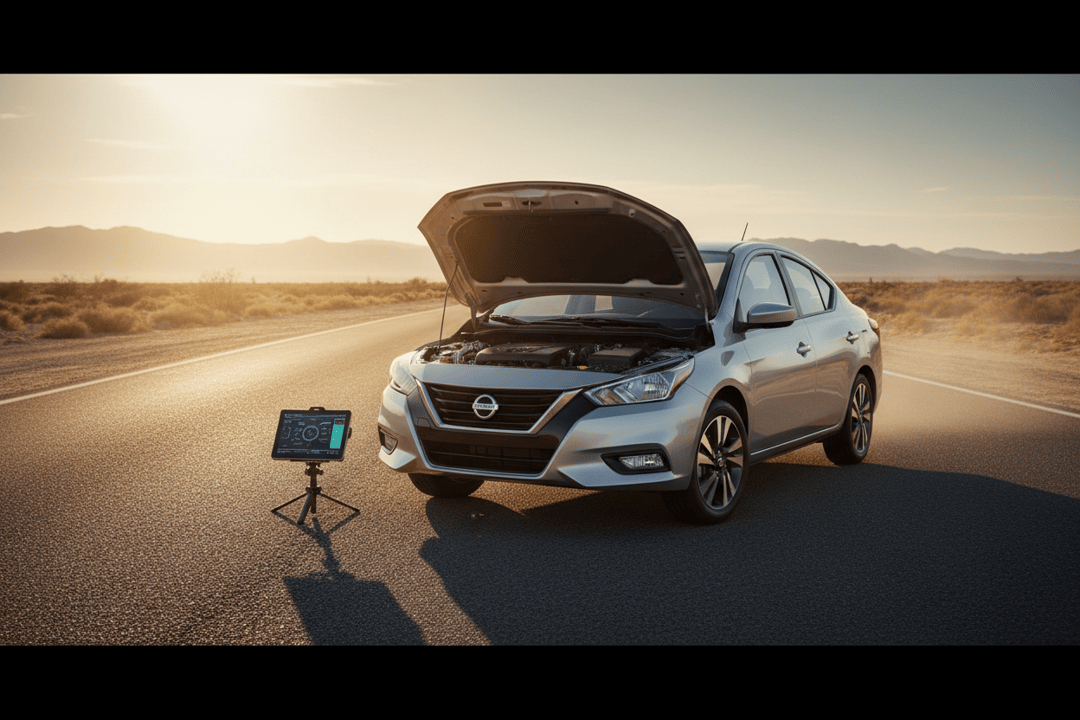
Modern SUVs rely on complex electronic systems to manage safety and comfort. A visual inspection is insufficient to uncover electrical gremlins stored in the car's computer. Utilizing an On-Board Diagnostic (OBD) II scanner allows a experienced inspector to read Engine, Transmission, ABS, and Airbag modules simultaneously. Even if the check engine light is off, hidden codes can point to pending failures, such as a failing oxygen sensor or a weak battery that could cause erratic electrical behavior.
Given the complexity of these systems, a targeted diagnostic service is essential for a smart purchase. AutoFay offers a specialized Computer Diagnostic service for a flat fee of AED 99, which covers the retrieval of error codes and the verification of basic sensor functionality. This low-cost verification can save a buyer from inheriting a vehicle with a history of check engine light cycles or intermittent electrical faults.
| Inspection Package | Service Scope | Cost |
|---|---|---|
| Computer Diagnostic | Engine, Transmission, ABS, SRS (Airbag) codes | AED 99 |
| Body & Computer | Panel-by-panel paint analysis + OBD scan | AED 250 |
| Comprehensive | Full 410+ checkpoint inspection (Engine, Transmission, Frame, Brakes, Fluids) | AED 299 |
Maintenance and Consumables
Long-term ownership costs are heavily dictated by the condition of the suspension and braking systems. The suspension in these SUVs takes a beating on UAE highways. Inspectors check for worn ball joints, tie rods, and sway bar links, which can cause a dangerous clunking noise over uneven surfaces. The inspection must also assess the suspension mounts and shock absorbers; leaking shock oil or collapsed springs will result in a bouncy ride and poor handling, increasing tire wear significantly.
Brake pads and rotors wear down faster in stop-and-go city traffic. The inspection provides a pad percentage rating, indicating how much life remains before replacement is mandatory. Tires are another critical consumable; in the UAE, tire age is often more important than tread depth. Tires older than five years are prone to dry rot, even with low mileage. The inspector verifies the manufacturing date on the sidewall to ensure the seller is not trying to pass off unsafe, aged rubber as new.
- Suspension Check: Test for play in steering components and listen for clunks over speed bumps.
- Brake Assessment: Evaluate pad thickness and rotor condition for scoring or uneven wear.
- Tire Age Verification: Confirm the DOT date code indicates the tire was manufactured within the last five years.
- Fluid Condition: Check brake fluid for moisture content, which reduces boiling point and corrodes calipers.
Smart Purchase Strategy
Choosing between the Tucson and the Sportage should be based on the physical condition of the specific unit, not brand reputation. A well-maintained example of either model will serve reliably, while a neglected unit will fail regardless of badge. The inspection process highlights discrepancies between the advertised mileage and the actual mechanical wear. For example, a high-mileage vehicle showing low wear on suspension components may have been serviced regularly, making it a smarter financial choice than a low-mileage vehicle with original, degraded parts.
Buyers must prioritize vehicles that have a documented service history, particularly regarding timing belt replacements and fluid flushes. Skipping these maintenance intervals often leads to catastrophic engine failure. The decision to buy rests on the evidence presented in the inspection report. A vehicle with a clean bill of health, including a verified frame and functioning electronics, represents a lower risk of unexpected repair bills.
AutoFay inspects 410+ checkpoints with HD photos and PDF report. Book at autofay.ae or call +971542584458

0 Comments
No comments yet. Be the first to share your thoughts!