
Turbocharged engines dominate the UAE automotive landscape due to their ability to deliver high power density in compact packages. However, the intense desert heat and demanding driving conditions place significant stress on forced induction systems. A failure here does not just mean a lack of power; it can result in catastrophic engine damage. Understanding the difference between normal operation and impending failure is a critical skill for any vehicle owner or inspector. This guide details the technical inspection procedures necessary to diagnose turbocharger health, specifically focusing on oil feed lines, wastegates, and boost leaks.
Distinguishing Turbo Lag from Turbo Failure
Automotive enthusiasts and mechanics often confuse the sensation of "turbo lag" with a malfunctioning unit, but the mechanisms are entirely different. Turbo lag refers to the delay between pressing the accelerator and the engine reaching peak torque. This delay is caused by the physical inertia of the rotating turbine and compressor wheels. While noticeable in smaller engines or older designs, some lag is a characteristic of the forced induction technology itself.
Turbo failure, conversely, is a mechanical breakdown. It manifests as a complete loss of boost pressure, excessive exhaust smoke, or a noticeable drop in acceleration. Unlike lag, which is a timing issue, failure indicates that the turbocharger cannot spin or pressurize the intake manifold. Identifying this distinction is the first step in the inspection process, as diagnosing lag requires a different approach than diagnosing mechanical seizure.
- Turbo Lag: A temporary delay caused by the mass of the rotating assembly. It is a functional characteristic of the engine's response curve.
- Turbo Failure: A mechanical stoppage or inefficiency resulting in zero boost pressure or engine misfires.
- Diagnostic Clue: If the engine accelerates smoothly but slowly, the turbo is likely functioning correctly but the engine may be oversized for the turbo. If the engine lacks power entirely, the turbo unit is likely compromised.
The Critical Importance of Oil Feed Line Inspection
The turbocharger is essentially a high-speed pump that operates with minimal lubrication. It relies on a steady, clean supply of engine oil to lubricate the journal bearings and cool the center housing. The oil feed line carries high-pressure oil from the engine oil gallery to the turbocharger. If this line becomes restricted, kinked, or ruptured, the turbo will overheat and seize within seconds.
Inspection of the oil feed line requires a visual and tactile assessment. Technicians should look for signs of oil degradation, such as a creamy, milky substance on the dipstick or oil cap, which indicates coolant contamination. The physical line itself must be checked for cracks or hardening due to heat exposure. A common failure point is the banjo bolt that connects the oil line to the turbocharger; corrosion here can lead to oil leaks onto the hot exhaust manifold, creating a fire hazard.
Even with a healthy engine, a compromised oil supply line leads to immediate metal-on-metal contact. The resulting bearing failure destroys the shaft and seals, causing oil to bypass the seals and exit through the exhaust or intake system. This is not a repairable issue with a simple flush; it necessitates the replacement of the entire turbocharger unit and an oil system flush.
Wastegate Check and Functionality
The wastegate is a pressure relief valve that regulates the amount of exhaust gas allowed to enter the turbine. It allows the engine to run at lower boost pressures during cruising and high boost pressures during acceleration. If the wastegate is stuck closed, the engine can suffer from overboost, leading to detonation and potential engine damage. If it is stuck open, the boost pressure will never build, resulting in sluggish performance and poor fuel economy.
An inspection of the wastegate requires locating the actuator arm and the vacuum line connected to it. The technician must ensure the arm moves freely without sticking. Visually inspecting the diaphragm for cracks or leaks in the vacuum hose is essential, as air leaks here can cause the wastegate to open prematurely or fail to open at all. A clean, unobstructed path to the exhaust manifold is also necessary; carbon buildup on the valve can prevent it from sealing properly.
- Visual Check: Look for carbon deposits on the valve seat and the actuator arm to ensure they move independently without binding.
- Vacuum Test: Apply vacuum to the actuator to verify that the valve opens and closes correctly in response to pressure changes.
- Hearing Test: Listen for a rhythmic hissing sound under the hood while revving the engine, which may indicate a leaking vacuum hose rather than a mechanical wastegate failure.
Boost Leak Detection Techniques
A boost leak is a common issue where compressed air escapes from the intake system before it reaches the engine cylinders. This reduces the pressure required for optimal combustion, resulting in a loss of power. In the UAE, where engines are tuned for high-performance output, even a small leak can negate the benefits of a turbo upgrade. Common leak points include the intercooler hoses, clamps, and the connection between the intercooler and the throttle body.
Detecting a boost leak requires a methodical approach. The first step is a visual inspection of all rubber hoses and silicone couplings for cracks, blistering, or looseness. The clamps holding these components must be tight. For a precise diagnosis, a smoke test is highly effective, where smoke is injected into the intake system. If smoke appears at a specific connection point, that is the location of the leak. Ignoring a boost leak leads to running the engine lean, which causes excessive heat and can detonate the pistons.
Professional Inspection Standards: The AutoFay Approach
While visual checks are useful, a comprehensive inspection requires a multi-disciplinary approach. The complexity of the modern engine bay demands a systems-wide evaluation, particularly when diagnosing turbo issues that may be linked to engine management or exhaust systems. Professional inspection services like AutoFay utilize a structured methodology that goes beyond a simple visual check to ensure accuracy.
When inspecting a vehicle for turbo health, technicians must verify that the vehicle has been driven on the road to simulate real-world conditions. Static checks are insufficient to detect issues that only manifest under load. A professional service incorporates a Road Test to evaluate acceleration, braking, noise, and vibration while the turbo is under pressure. This test confirms whether the boost gauge shows the correct PSI for the vehicle's specific model and engine tune.
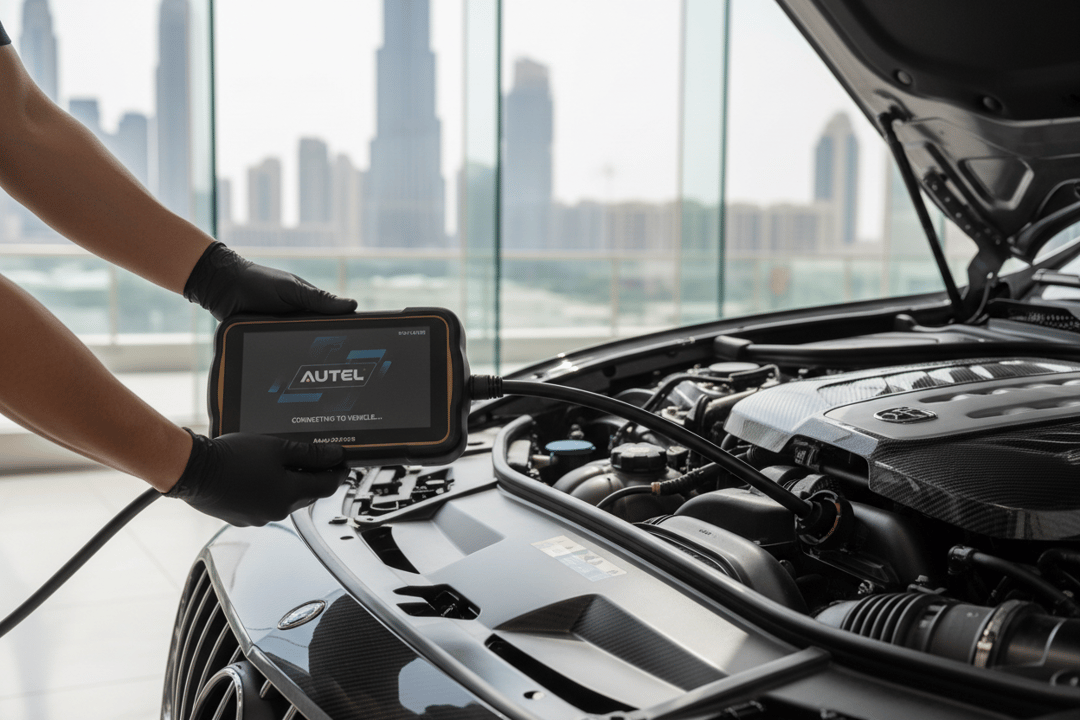
Furthermore, the inspection must cover the broader engine category to rule out contributing factors. Oil leaks from the valve cover or rear main seal can often be mistaken for turbo leaks but are actually separate mechanical failures. A thorough inspection also includes an OBD scan using a computer diagnostic tool to check for engine, transmission, ABS, and airbag codes that may point to a sensor malfunction affecting the turbo's performance, such as a faulty mass air flow (MAF) sensor or boost pressure sensor.
| Inspection Category | AutoFay Checkpoint | Relevance to Turbo Health |
|---|---|---|
| Engine | Sound analysis and smoke color | Determines if oil is burning or if the turbo is seizing. |
| Road Test | Acceleration and boost pressure | Verifies the turbo is spooling up correctly under load. |
| Fluids | Oil level, viscosity, and condition | Ensures the oil is clean and capable of lubricating the turbo. |
| Computer Diagnostics | OBD codes (Engine/ABS) | Identifies sensor errors that mimic turbo failure. |
For those requiring a detailed assessment, AutoFay offers specialized packages tailored to different needs. The Computer Diagnostic package is available for AED 99 and is ideal for identifying electronic faults. For a more thorough examination, the Body & Computer package at AED 250 covers structural and electronic integrity. For the highest level of detail, the Comprehensive package at AED 299 provides a detailed inspection of 410+ checkpoints across 25 categories, including frame integrity, suspension, and tires.
AutoFay operates a on-location inspection across all 7 Emirates, bringing the inspection facility to the customer. Their process includes generating a detailed PDF report with high-definition photos for every checkpoint. This documentation is essential for buyers and sellers to ensure a transparent transaction regarding the vehicle's mechanical condition.
AutoFay inspects 410+ checkpoints with HD photos and PDF report. Book at autofay.ae or call +971542584458




0 Comments
No comments yet. Be the first to share your thoughts!