
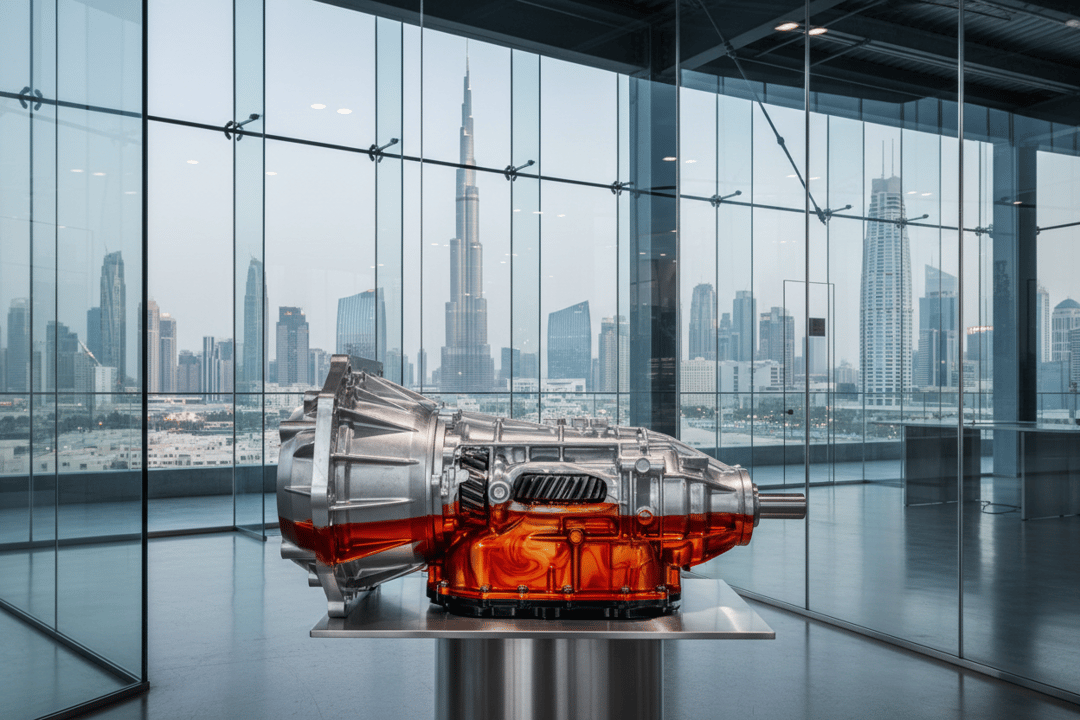
The transfer case functions as the central gearbox connecting the transmission to the front and rear axles. In four-wheel-drive vehicles, this component distributes torque to all wheels, enabling traction on loose surfaces like sand or gravel. In all-wheel-drive systems, it engages the front wheels during low-traction conditions. In the UAE, where desert driving and off-road expeditions are common, the transfer case endures extreme thermal stress and heavy loads. A compromised transfer case results in complete drivetrain failure, leaving the vehicle stranded in remote areas. Understanding the specific failure points of this unit is essential for maintaining vehicle safety and reliability. This guide outlines the critical indicators of transfer case wear, including fluid leaks, engagement issues, and signs of off-road abuse.
Fluid Leaks and Fluid Condition
The transfer case relies on a specific viscosity of gear oil to lubricate internal gears and bearings while dissipating heat. In many modern systems, a magnetic drain plug captures metal shavings, providing a visual history of the component's internal health. Inspecting this fluid is a fundamental part of the pre-purchase inspection process. Fresh, amber-colored fluid indicates a healthy unit, while fluid that is dark brown, black, or smells burnt signifies oxidation and overheating. This degradation reduces the fluid's ability to cool the internal components, leading to premature wear.
Leaks are another primary indicator of transfer case failure. Because the unit is located at the rear of the transmission, it is often obscured by skid plates or exhaust components. Even a small leak can lead to a catastrophic drop in fluid levels. In some cases, the output shaft seals or the rear main seal may allow fluid to seep onto the hot exhaust system, causing a burning oil smell. If the fluid level is low, the gears may not be fully submerged, resulting in metal-on-metal contact and immediate grinding noises. A thorough inspection includes checking the undercarriage for fresh oil residue and verifying the fluid level against the manufacturer’s specifications.
4WD Engagement Mechanisms and Linkage
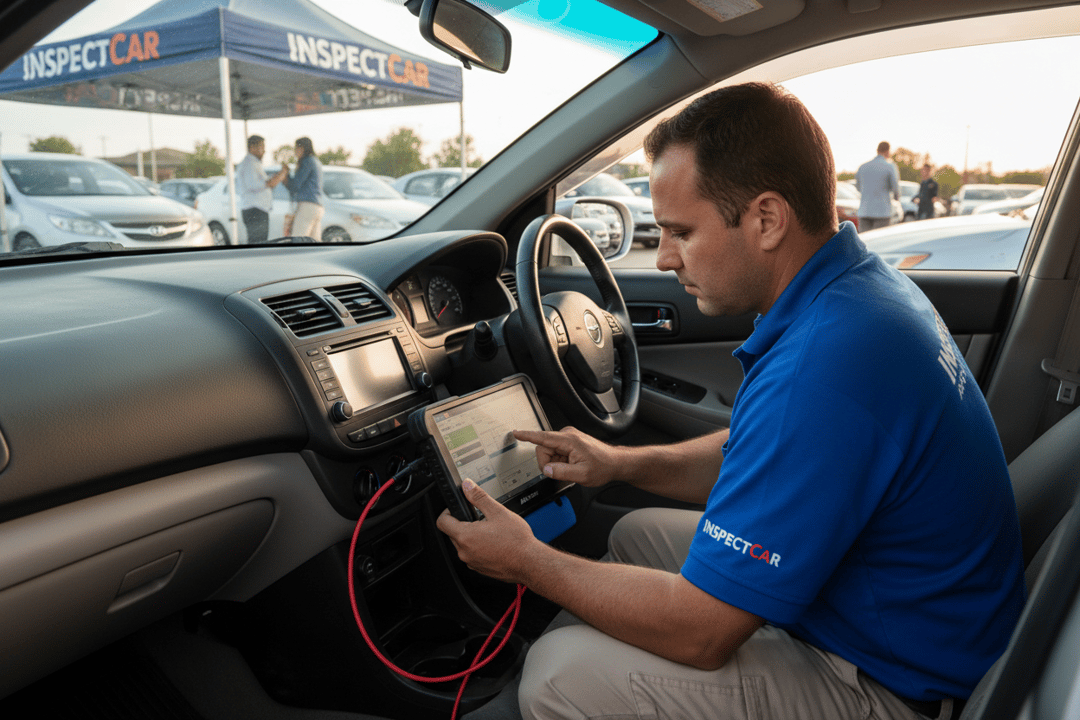
Engaging four-wheel drive should be a seamless operation that requires minimal driver effort. However, owners of older vehicles with manual shift levers may experience resistance or a delay in engagement. This is often caused by worn shift linkage or a vacuum leak within the transfer case actuator. In vehicles with electronic shift-on-the-fly systems, a malfunctioning solenoid or a faulty sensor can prevent the system from switching modes. A Computer Diagnostic scan is often required to identify these electronic faults, as they are not always visible during a physical inspection.
When engaging 4WD, the drivetrain should shift gears quietly without clunking or banging. A clunking sound upon shifting indicates play in the driveshaft universal joints or worn internal synchronizers. If the vehicle exhibits hesitation or refuses to engage 4WD entirely, the internal gears may have stripped. This failure is often caused by attempting to engage 4WD while the vehicle is moving at high speeds, a practice that violates the operational parameters of the transfer case. Ignoring the hesitation to shift can result in permanent gear damage and a complete loss of four-wheel drive capability.
Noise, Vibration, and Harshness Analysis
A functioning transfer case operates with minimal noise. However, certain sounds can pinpoint specific internal failures. A high-pitched whining noise often indicates worn gear teeth or insufficient fluid pressure. This noise typically increases with vehicle speed, as the rotational speed of the gears increases. Conversely, a deep, rhythmic knocking or clunking sound suggests a stretched chain or worn chain guides. This is common in older off-road vehicles where the chain has lengthened over time, causing it to slap against the housing during acceleration or deceleration.
Another specific symptom is a chatter or vibration felt through the floorboard. This is frequently caused by overheating, which softens the internal clutch packs or warps the gear surfaces. Overheating results from dragging brakes, incorrect tire size, or towing heavy loads with 4WD engaged on dry pavement. Identifying the source of the noise requires a professional to listen to the transfer case while the vehicle is placed on a lift and during a dynamic Road Test. A comprehensive inspection package covers the engine and drivetrain dynamics to isolate whether the noise originates from the transmission, transfer case, or differentials.
Symptom Comparison Table
| Observed Symptom | Most Likely Internal Cause |
|---|---|
| Whining noise increasing with speed | Worn gear teeth or bearing failure |
| Clunking during gear shifts | Stretched chain or worn sprockets |
| Gear chatter or vibration | Overheating and clutch pack wear |
| Difficulty engaging 4WD | Vacuum leaks or electronic solenoid failure |
Identifying Off-Road Abuse in Harsh Environments
The UAE climate subjects vehicles to extreme heat, which accelerates the aging of seals and gaskets. Off-road driving introduces physical impacts that are not present in standard road use. Inspectors must look for oxidation on the exterior housing, which indicates the paint has failed due to thermal cycling. More concerning are impact marks or dents on the housing itself. Even a minor dent can restrict the movement of the internal chain or interfere with the output shafts, leading to binding and premature wear.
Another clear sign of abuse is the presence of mud, sand, or debris packed into the output shaft boot or the axle seals. This accumulation suggests a breach in the seal, allowing contaminants to enter the transfer case. Contaminants act as an abrasive, grinding away the delicate gear teeth. Furthermore, inspect the skid plates for bends or cracks. If the skid plate has hit a rock, the force may have transmitted to the transfer case housing, causing internal misalignment. A detailed inspection of the Frame and undercarriage is necessary to ensure that impacts have not compromised the structural integrity of the transfer case mounting points.
Why Professional Inspection Is Critical
Visual inspection alone is insufficient to determine the internal condition of a transfer case because many mechanical failures occur silently. A experienced inspector must perform a range of tests to assess the unit's health. This includes checking the operation of the 4WD light on the dashboard and verifying the actuator movement. The inspection should also cover the Brakes and Suspension systems, as worn brakes can cause the transmission to drag, leading to overheating of the transfer case during operation.
For a complete assessment, a Body & Computer AED 250 package provides a scan of the vehicle's computer systems to detect any fault codes related to the 4WD system. For a deeper mechanical evaluation, a Comprehensive AED 299 inspection covers fluid levels, the road test, and an examination of the frame and drivetrain components. This on-location inspection delivers a detailed report with photos and findings from all 410+ checkpoints. This data is vital for understanding the mechanical history of the vehicle and avoiding the purchase of a vehicle with hidden drivetrain defects.
AutoFay inspects 410+ checkpoints with HD photos and PDF report. Book at autofay.ae or call +971542584458



0 Comments
No comments yet. Be the first to share your thoughts!