

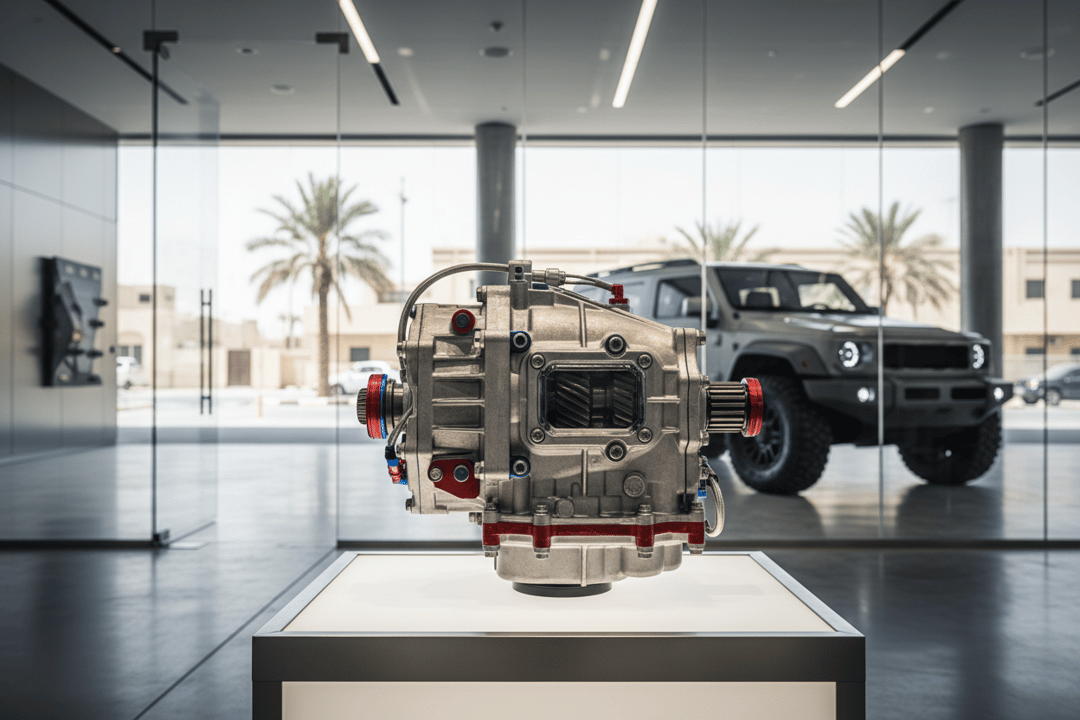
The transfer case sits between the transmission and the front and rear differentials. It acts as a central hub for power distribution in four-wheel-drive and all-wheel-drive vehicles. While the transmission handles torque to the wheels, the transfer case manages the split of that power between the front and rear axles. In the United Arab Emirates, where vehicles range from daily commuters to heavy-duty 4x4s used for desert traversing, the transfer case is a critical component. Failure of this unit renders the drivetrain inoperable. Detecting issues before finalizing a purchase requires a trained eye and a systematic inspection process.
The Mechanics of Power Distribution
A transfer case utilizes a set of planetary gears to distribute engine torque. It allows the driver to select between two-wheel drive, four-wheel drive, and low-range gearing for off-road traction. This mechanism is constantly in motion. The gears mesh together, and bearings support the internal shafts. Over time, heat and friction degrade these internal components. The lubricant inside the case prevents metal-on-metal contact. If the case fails, the vehicle loses the ability to propel itself, regardless of engine health.
Audio Indicators: Whining, Grinding, and Clunking
The first line of defense against a failing transfer case is the driver's hearing. Unusual noises indicate internal degradation that requires immediate attention. An inspector listens for specific tones that pinpoint the source of the problem within the unit.
- Whining or Groaning: A high-pitched whining sound usually indicates worn bearings. As the bearings lose their internal clearance, they create a whine that intensifies with engine RPM. A deep groaning sound suggests worn gears.
- Clunking or Thumping: Loud clunks during acceleration or deceleration often point to worn gear teeth or a slipping chain. This means the metal surfaces are no longer meshing correctly.
- Grinding: A grinding noise is a severe warning sign. It implies metal is physically contacting metal, indicating catastrophic internal damage.
These sounds are often more pronounced when the vehicle is in four-wheel drive mode. The internal load changes, which can amplify the noise significantly.
Physical Vibration and Driveline Imbalance
Internal wear in the transfer case often manifests as driveline vibration. The transfer case is a heavy component mounted to the transmission output shaft. If its internal balance is compromised, it shakes the entire vehicle structure. This vibration is distinct from wheel imbalance.
Inspectors check for vibration felt through the floorpan or steering wheel during acceleration. A shudder transmitted through the vehicle while accelerating hard is a common symptom of a failing input or output shaft bearing. If the vehicle exhibits a shudder specifically when turning or engaging four-wheel drive, the transfer case engagement mechanism is likely malfunctioning.
Fluid Analysis and Seal Integrity
The condition of the transfer case fluid is a direct window into the health of its internals. This fluid is typically a specialized gear oil or automatic transmission fluid. It must be the correct viscosity and free of contaminants.
Visual inspection of the fluid reveals the severity of the wear. Bright amber or red fluid indicates a healthy system. Dark brown or black fluid suggests the unit has overheated. A burnt smell is a definitive sign of severe internal friction. Furthermore, the fluid must be inspected for metallic particles. If the fluid appears metallic—resembling a sludge or contains glittering flakes—it indicates that gears or bearings are shedding metal particles into the lubrication system. This debris accelerates the wear process by acting as an abrasive.
The Value of Professional Inspection
Identifying these issues manually is difficult without specialized tools and experience. A used car may appear mechanically sound until driven. Relying on a seller's word is insufficient. Professional inspection services provide a standardized approach to evaluating vehicle condition. A professional inspection covers multiple critical systems to ensure the transfer case is functioning correctly.
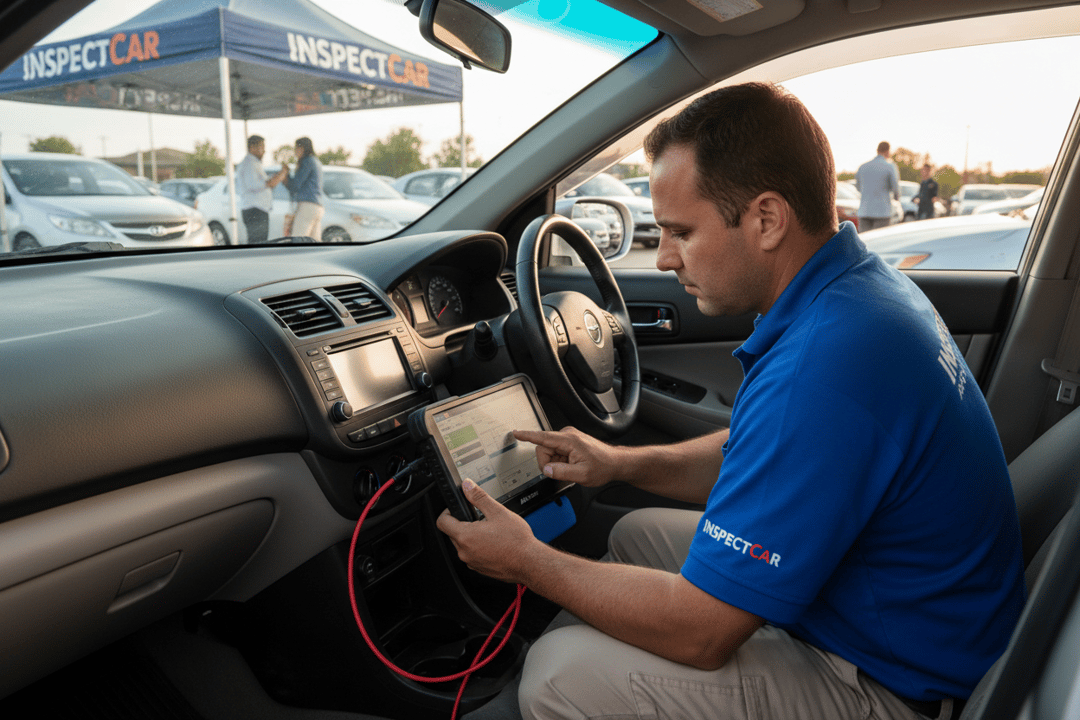
Automotive inspection companies offer on-location inspections across all seven Emirates. A comprehensive inspection covers 410+ checkpoints. It utilizes Computer Diagnostic tools to read error codes and performs a thorough Road Test to monitor noise, acceleration, and braking behavior. Inspectors evaluate the Body and Frame for accident damage that might have compromised the drivetrain mounts. They also check the Suspension and Tires to ensure the chassis is level and capable of supporting the vehicle correctly.
Transparent reporting is essential for buyers. Detailed inspection reports include HD photos and a PDF summary of findings. This documentation protects the buyer from hidden defects. For instance, a Computer Diagnostic scan can reveal specific transmission-related codes that point to a transfer case solenoid failure or wiring issues.
| Inspection Package | Key Inclusions | Best For |
|---|---|---|
| Computer Diagnostic | OBD scan for engine, transmission, ABS, and airbag codes. | Initial code reading and fault identification. |
| Body & Computer | Panel-by-panel body check, paint analysis, and computer diagnostics. | Assessing cosmetic damage and basic mechanical health. |
| Comprehensive | 410+ checkpoints including Body, Frame, Engine, Transmission, Brakes, Suspension, and Road Test. | Complete vehicle valuation and risk assessment. |
Choosing the right package depends on the value of the vehicle and the buyer's comfort level. A lower-priced package might suffice for older vehicles, while a higher-package investment ensures a used 4x4 is safe for desert terrain. The cost of a failed transfer case replacement far exceeds the investment in a thorough pre-purchase inspection.
AutoFay inspects 410+ checkpoints with HD photos and PDF report. Book at autofay.ae or call +971542584458




0 Comments
No comments yet. Be the first to share your thoughts!