
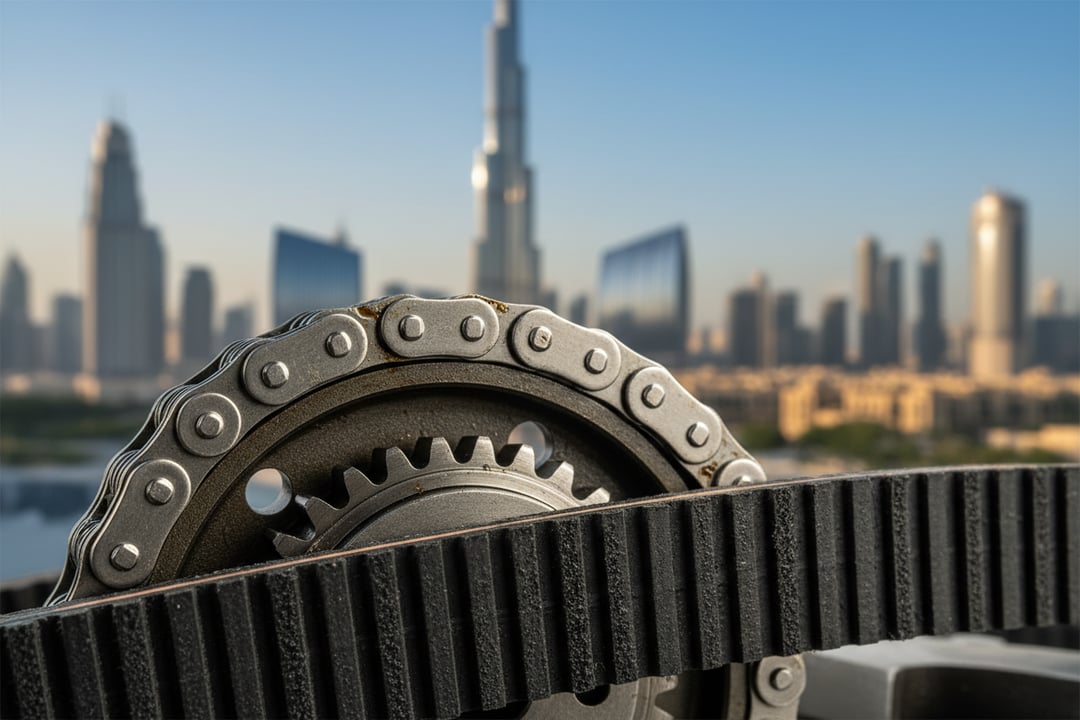
For automotive owners in the United Arab Emirates, the reliability of a vehicle is non-negotiable, primarily due to the extreme environmental conditions. Among the myriad of systems that ensure engine longevity, the timing mechanism stands as the most critical component regarding engine safety and performance. The timing belt, a rubber composite component, synchronizes the rotation of the crankshaft and camshaft, ensuring valves open and close at the exact moment pistons reach their peak positions. In the relentless heat of the UAE climate, maintaining this component is not merely a recommendation but a strict maintenance requirement. Failure to adhere to inspection schedules can result in catastrophic engine damage that goes far beyond a simple replacement invoice.
The Harsh Impact of UAE Climate on Rubber Components
The high ambient temperatures and abrasive dust prevalent in the UAE significantly accelerate the degradation of rubber and synthetic polymers. Unlike temperate climates where a timing belt might last 100,000 kilometers, the thermal stress in the UAE often reduces the usable lifespan of a belt to between 60,000 and 80,000 kilometers. Heat causes the rubber to dry out and harden, losing its flexibility and tensile strength. Additionally, the fine desert dust can infiltrate the engine bay and settle on the belt, acting as an abrasive agent that wears down the ribbed teeth over time. This environmental factor dictates that owners should not rely solely on mileage counters but must adhere to strict time intervals for inspection.
Furthermore, the heavy load demands placed on engines during highway driving on highways like Sheikh Zayed Road or Emirates Road generate significant engine heat. This thermal cycling—rapid heating and cooling of engine components—weakens the internal fibers of the timing belt. A visual inspection should therefore be conducted at least once a year, regardless of mileage, to assess the condition of the rubber and the tensioning system.
Visual Signs of Wear and Tear to Inspect
A experienced inspector knows that a timing belt inspection is not just about looking at the belt itself but evaluating the entire ancillary system. The following indicators signal that the component requires immediate replacement or imminent failure:
- Cracks on the Ribbed Surface: The teeth of the belt are the primary load-bearing points. Hairline cracks, separated ribs, or chunks missing from the teeth indicate the rubber has lost its elasticity.
- Glazing and Shiny Appearance: When the rubber becomes polished and shiny, it often means the belt has been slipping against the pulleys, usually due to contamination or a failing tensioner.
- Fraying Edges: Frayed fibers around the edges suggest the belt has been rubbing against the casing or pulley coverings, which can lead to immediate snapping.
- Oil and Fluid Contamination: Any sign of oil leakage from the valve cover gasket or camshaft seals can soak into the timing belt. Oil acts as a solvent that deteriorates the rubber compound much faster than air and heat alone.
Inspectors must also check the timing belt tensioner and the water pump. The water pump is typically integrated with the timing belt drive and should be replaced simultaneously, as failure of the pump while the engine is running can destroy the new belt.
Catastrophic Consequences of Failure
The most significant risk associated with a failed timing belt is the interference between the engine's pistons and valves. Most modern vehicles, especially those popular in the UAE, are "interference engines." In these designs, the pistons travel higher into the cylinder bore than the valves do when the engine is fully closed. If the timing belt snaps or jumps time while the engine is running, the camshaft stops rotating while the crankshaft keeps moving.
This causes the valves to remain in the open position while the pistons smash upwards, resulting in bent valves, cracked pistons, and damaged cylinder heads. In severe cases, the impact can push valves into the engine block, causing a hole in the cylinder wall and ruining the engine block itself. Repairing an interference engine failure is a complex and expensive undertaking, often involving the removal of the cylinder head or complete engine replacement. The financial burden of such a repair far exceeds the cost of a routine inspection and replacement package.
Timing Belts vs. Timing Chains: A Technical Comparison
Understanding the difference between the two primary timing mechanisms helps owners manage expectations regarding maintenance and longevity. The choice between a belt and a chain is determined by the vehicle manufacturer based on engine design and intended usage.
| Feature | Timing Belt | Timing Chain |
|---|---|---|
| Material Composition | Polyurethane or rubber composite with fiber reinforcement. | Forged steel alloy. |
| Lifespan | Dependent on mileage and heat; typically replaced every 60,000–higher mileage. | Designed for the life of the engine; rarely requires replacement unless tensioner fails. |
| Noise Level | Operates silently. | Produces a metallic ticking sound if loose or worn. |
| Maintenance Requirements | Requires periodic inspection and replacement as a scheduled maintenance item. | Maintenance is usually limited to lubrication of the chain guides (if applicable) and tensioner checks. |
While timing chains are durable and generally maintenance-free, they can suffer from stretching over time, which requires attention to the tensioner system. Conversely, timing belts are lightweight and reduce internal engine friction, but they are a consumable item that must be proactively managed. Owners of vehicles with timing chains should still be vigilant for unusual noises during a road test, as a failing chain tensioner can lead to similar catastrophic engine timing issues as a snapped belt.
The Necessity of Professional Inspection and Road Testing
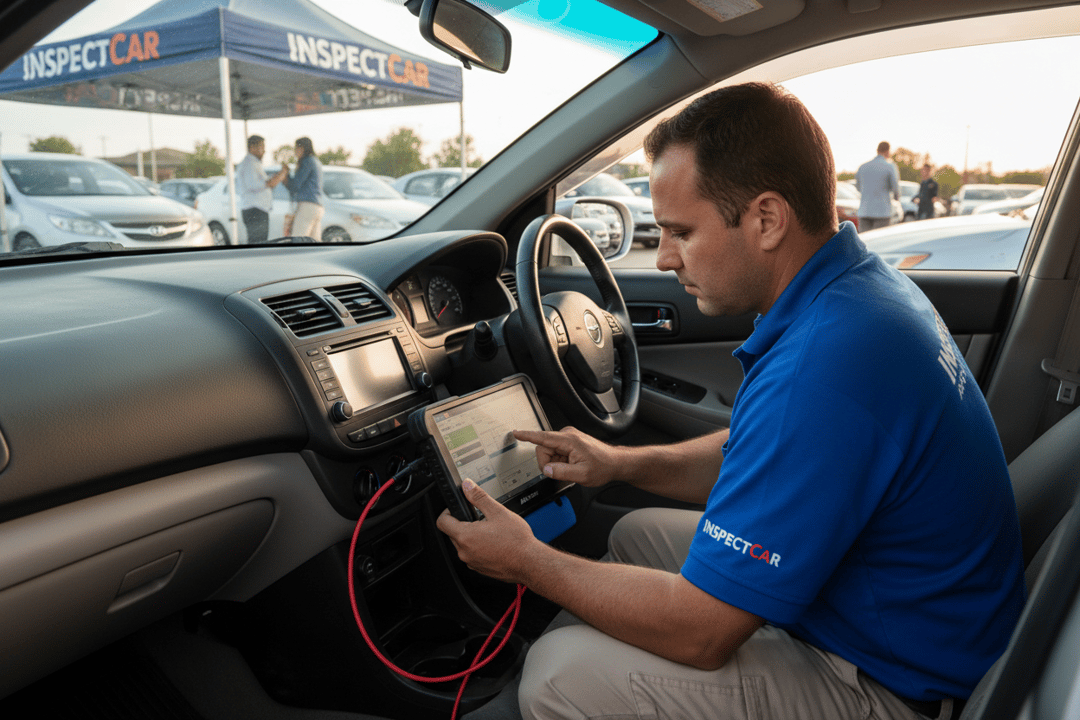
Visual inspection is the first step, but a comprehensive understanding of the vehicle's health requires a diagnostic approach. A timing issue may not always be visible to the naked eye; a slipped belt may only register as a slight engine misfire or reduced fuel efficiency. This is where professional on-location inspection services become invaluable.
A thorough inspection should encompass the entire engine bay, checking for oil leaks that might compromise the belt. Technicians should perform a Road Test to assess engine idle smoothness, listen for unusual rattling or ticking noises indicative of a chain issue, and check for vibration. The brake system should also be evaluated, as a seized brake caliper can cause the engine to stall, potentially leading to timing belt failure if the engine is hot.
Fluid levels and conditions are also critical indicators. Low engine oil or coolant can lead to overheating, which increases the risk of belt slippage and failure. An inspector should verify the condition of these fluids during the service. Additionally, checking engine mounts ensures that the engine is securely fastened; a failing mount allows excessive engine movement, which can stress the timing components and auxiliary belts.
Choosing the Right Service Package
When scheduling an inspection, selecting a comprehensive package ensures that no critical component is overlooked. A basic visual check is often insufficient to diagnose complex timing-related issues or the health of ancillary parts.
- Computer Diagnostic AED 99: This entry-level service uses an OBD scanner to read error codes related to the engine, transmission, ABS, and airbag systems. A timing issue might trigger a misfire code that is invisible during a visual inspection.
- Body & Computer AED 250: This package combines a visual body inspection with the diagnostic scan. It is essential for checking for accidents that might have damaged the engine mount or radiator, which are connected to the cooling system that protects the timing belt.
- Comprehensive AED 299: This is the recommended package for vehicle reliability. It covers 410+ checkpoints across 25 categories, including a detailed engine inspection, brake pad wear rating, suspension check, and road test. It provides a holistic view of the vehicle's condition, ensuring that a timing belt replacement is not the only repair needed.
Professional services offer the convenience of on-location inspections across all seven Emirates, allowing owners to have their vehicles inspected at their location without downtime. The detailed reports generated during these inspections provide a roadmap for necessary maintenance, prioritizing safety and reliability.
Ultimately, the timing belt is the heartbeat synchronizer of the engine. Ignoring its deterioration invites catastrophic mechanical failure. By understanding the signs of wear, the consequences of failure, and the differences between belts and chains, owners can take proactive steps to protect their investment. Relying on professional inspection services ensures that minor issues are caught before they become major repairs.
AutoFay inspects 410+ checkpoints with HD photos and PDF report. Book at autofay.ae or call +971542584458



0 Comments
No comments yet. Be the first to share your thoughts!