
Acquiring a bank repossessed vehicle in the UAE offers a distinct financial advantage, often presenting a lower purchase price than market equivalents. However, the vehicle’s history is obscured by the circumstances of its repossession, which can range from a change in financial status to outright neglect. Unlike private sales, where a seller might disclose mechanical issues, a bank sells the asset "as-is," meaning the buyer assumes full responsibility for the vehicle's condition. Understanding the specific risks associated with repo cars requires a technical understanding of automotive systems and a willingness to look beyond superficial aesthetics. A lack of maintenance history is the primary concern, as repossession often occurs when an owner can no longer afford routine upkeep, leading to accelerated wear and tear.
The Repo Distinction: Why History Matters
The fundamental difference between a bank-repossessed vehicle and a private sale lies in the narrative of ownership. In a private transaction, the seller typically retains the vehicle until it reaches a roadworthy state, or at least until the sale is completed. A repossessed car, conversely, is usually seized by the bank or finance house due to missed payments. The period leading up to the repossession often sees the owner neglecting the vehicle to save money, resulting in deferred maintenance that compounds over time. The vehicle is then sold by the bank to recover outstanding debt, with no guarantee of its current mechanical integrity. This lack of documented service intervals makes a professional inspection not just optional, but mandatory for any serious buyer.
Common Signs of Neglect and Owner Abandonment
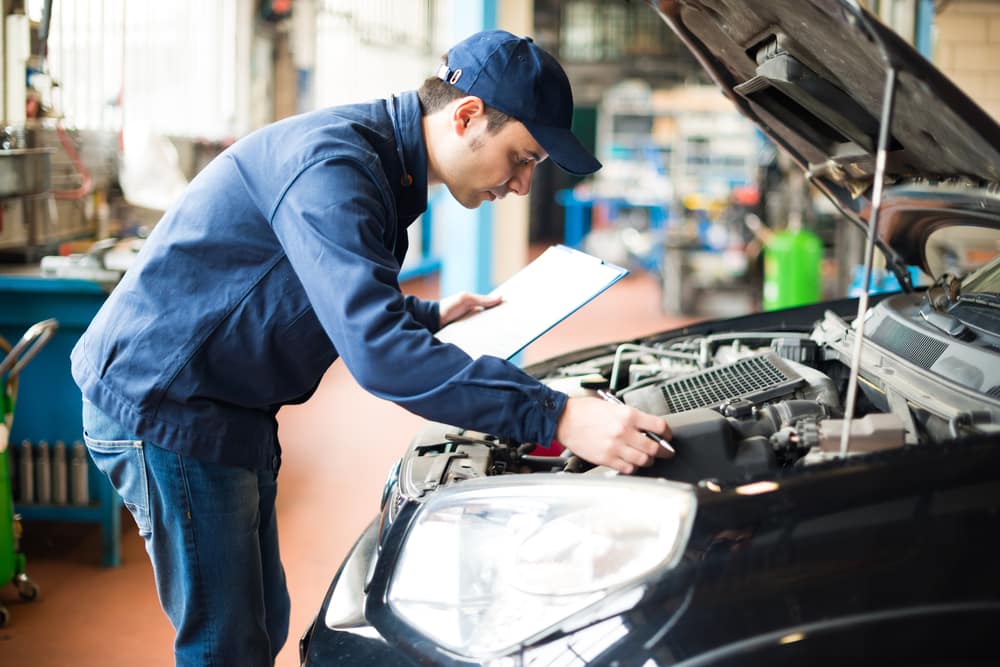
Identifying a neglected vehicle requires a trained eye focused on specific indicators of deferred maintenance. The first and most critical area to inspect is the fluid levels and condition. Low oil levels often suggest the owner neglected to top up the engine oil, while brown or black oil indicates the engine may not have had oil changes performed for an extended period. Transmission fluid that is burnt or smells of sulfur signals a transmission that may be failing due to lack of lubrication and cooling. Similarly, coolant levels should be checked for discoloration, which can indicate overheating issues that were ignored to avoid repair bills.
- Tire Condition: Bald tires are a primary safety hazard and indicate the owner prioritized monthly payments over road safety. Tires with uneven tread wear can also reveal suspension misalignment or improper wheel balancing that was never corrected.
- Brake Pads and Rotors: Check the brake pads through the wheel spokes. If the pads are worn to the metal, it indicates a lack of maintenance; replacing brake components is a routine cost, but neglecting them leads to expensive damage to the brake calipers and rotors.
- Suspension Components: Listen for clunking sounds over bumps. Worn shock absorbers and struts are often the first components to fail when a car is driven aggressively or neglected, affecting vehicle handling and ride comfort significantly.
Structural Integrity and Cosmetic Complications
Repossessed vehicles are frequently involved in accidents prior to repossession. The seller, facing financial difficulty, may have repaired minor cosmetic damage without conducting a full structural assessment. Paint inconsistencies are a tell-tale sign of bodywork. Panels that do not align perfectly or have different paint viscosities are often patched up rather than replaced. More concerning is the condition of the vehicle's frame. The frame rails and pillars must be inspected for cracks or bending, as this compromises the structural safety of the vehicle. Even if the car drives straight, a bent frame can cause alignment issues and accelerate tire wear, leading to expensive repairs down the line.
Engine and Electronics: Hidden Faults
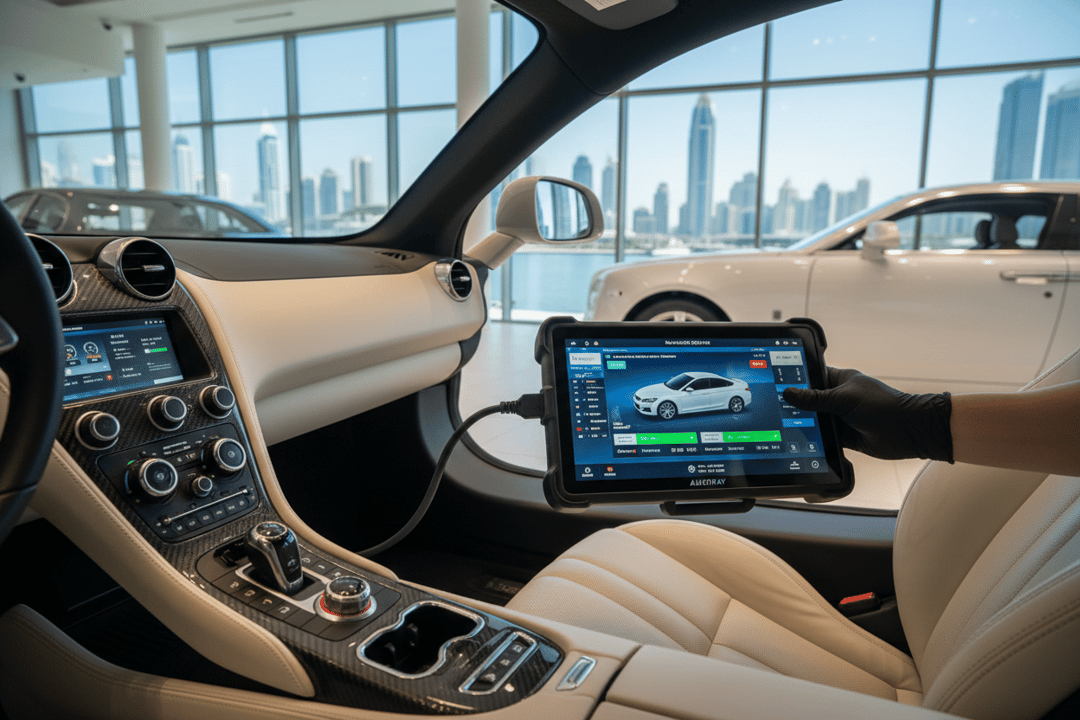
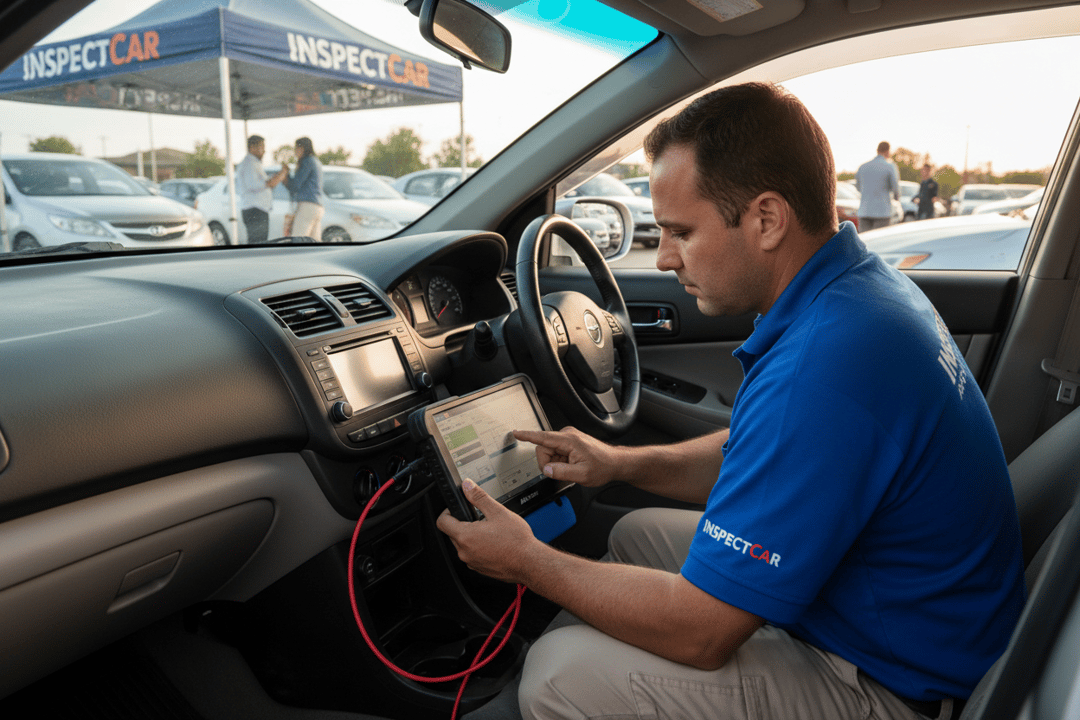
The engine bay of a repossessed car often tells a story of neglect and potential tampering. Engine mounts that are cracked or broken can cause excessive vibration felt in the cabin, a sign that the owner avoided repair to maintain cash flow. The electronic control units (ECUs) are another critical area. Banks may clear error codes before releasing a vehicle to a third party to mask faults, but the underlying issues often remain. A computer diagnostic scan is required to reveal the full history of the car's electronic systems, including airbag sensors, transmission faults, and engine management errors that might be triggering the "Check Engine" light.
AutoFay Inspection Packages for Repossessed Vehicles
Given the complexity of inspecting a repossessed vehicle, utilizing a professional inspection service is the only way to mitigate the risks of purchasing a potentially dangerous or expensive asset. AutoFay provides a comprehensive suite of inspection packages designed to uncover hidden defects through a rigorous 410+ checkpointlist. These on-location inspections operate across all 7 Emirates, delivering detailed reports to the buyer's location.
| Package Name | Price (AED) | Scope of Inspection |
|---|---|---|
| Computer Diagnostic | 99 | Engine, Transmission, ABS, Airbag system, and other OBD error codes. |
| Body & Computer | 250 | Panel-by-panel paint analysis, rust check, and full OBD scanning. |
| Comprehensive | 399 | Full vehicle assessment including Frame, Suspension, Tires, Road Test, and all 25 detailed categories. |
The Computer Diagnostic package, priced at AED 99, is an essential starting point for verifying that the car's computer systems are functioning correctly. This service identifies specific error codes that might indicate impending mechanical failure. For a more detailed aesthetic and mechanical check, the Body & Computer package at AED 250 evaluates the vehicle's exterior condition, checking for accident repairs and panel gaps. The most thorough option is the Comprehensive package at AED 299, which covers all 25 categories, including a panel-by-panel body check, frame integrity analysis, engine sound and smoke assessment, brake pad percentage ratings, tire manufacturing dates, fluid levels, and a full road test.
The Consequence of Skipping Inspection
Choosing to forego a professional inspection on a bank repossessed car exposes the buyer to significant financial and safety risks. Without a report from a experienced inspector, a buyer may unknowingly purchase a vehicle with a compromised frame, a transmission that requires immediate replacement, or a suspension system that poses a danger to occupants. These mechanical failures do not remain dormant; they escalate quickly, leading to breakdowns that render the vehicle undrivable. The cost of repairing a neglected luxury vehicle often exceeds the purchase price, negating the initial savings gained from buying a repo car. A detailed inspection provides the objective data needed to verify that the vehicle matches its odometer reading and that no hidden damage compromises its safety.
AutoFay inspects 410+ checkpoints with HD photos and PDF report. Book at autofay.ae or call +971542584458

0 Comments
No comments yet. Be the first to share your thoughts!