
The head gasket represents one of the most critical sealing surfaces in an internal combustion engine. Its primary function is to seal the combustion chamber while containing the coolant and oil within their respective passages. In the United Arab Emirates, where ambient temperatures often exceed 45 degrees Celsius, the thermal stress on engine components is significantly higher. A compromised head gasket leads to a cascade of mechanical failures that can result in catastrophic engine damage. Understanding the distinct visual and mechanical signs of a failing gasket allows for early intervention before the repair cost becomes prohibitive.
Visual Indicators: Milky Oil and White Exhaust
The most immediate visual cue of a blown head gasket is the presence of a milky or frothy residue on the engine oil filler cap or the dipstick. This condition occurs when coolant leaks into the engine oil passages and mixes with the motor oil. The coolant, being water-based, emulsifies with the oil to create a creamy texture similar to a chocolate milkshake. This mixture drastically reduces the lubricating properties of the oil, leading to accelerated wear on bearings and piston rings. Motorists should never run an engine with milky oil, as the lack of proper lubrication can seize the engine instantly.
Another unmistakable sign is the emission of thick white smoke from the exhaust tailpipe. While a small amount of vapor is normal during cold starts, persistent white smoke indicates that coolant is being burned in the combustion chamber. This process, often referred to as "steam combustion," produces a sweet, antifreeze odor. The white smoke contrasts sharply with the blue smoke of burning oil or black smoke of a rich fuel mixture, serving as a specific diagnostic marker for gasket failure.
Coolant Loss and Internal Leakage Patterns
A phenomenon known as "bubbling" in the radiator or coolant reservoir is a strong indicator of internal leakage. When a cylinder fails to seal properly, combustion pressure forces pressurized air and fuel into the cooling system. This pressure forces coolant out of the radiator cap or through the overflow tank, causing the level to drop rapidly even if there are no visible external leaks. If the radiator is full but the engine overheats quickly due to this pressure buildup, the head gasket is likely the point of failure.
The relationship between oil and coolant levels provides further diagnostic evidence. If the engine oil level rises over time without an increase in miles driven, it suggests that coolant is leaking into the crankcase. Conversely, if the coolant reservoir empties without an external puddle forming on the garage floor, the fluid is entering the combustion chamber or the oil pan. These fluid dynamics confirm that the integrity of the gasket has been breached internally.
Compression Test: The Definitive Proof
While visual symptoms suggest a problem, a compression test provides the empirical data needed for confirmation. This mechanical test measures the pressure generated in each cylinder during the compression stroke. A healthy engine will show relatively consistent pressure across all cylinders, typically within 10 percent of each other. A blown head gasket causes a loss of compression in specific cylinders, often accompanied by a "wet" compression reading that rises when a small amount of oil is introduced into the cylinder.
The "wet compression" test works by adding a teaspoon of engine oil to a low-compression cylinder. If the pressure reading increases significantly after the oil is added, it confirms that the leak is at the piston rings or valves rather than the head gasket. However, if the pressure remains low despite the oil, the leak is likely originating from the combustion chamber to the cooling system. This technical distinction helps mechanics isolate whether the repair requires a gasket replacement, a valve job, or a re-surfacing of the engine block.
Engine System Analysis and Diagnostic Categories
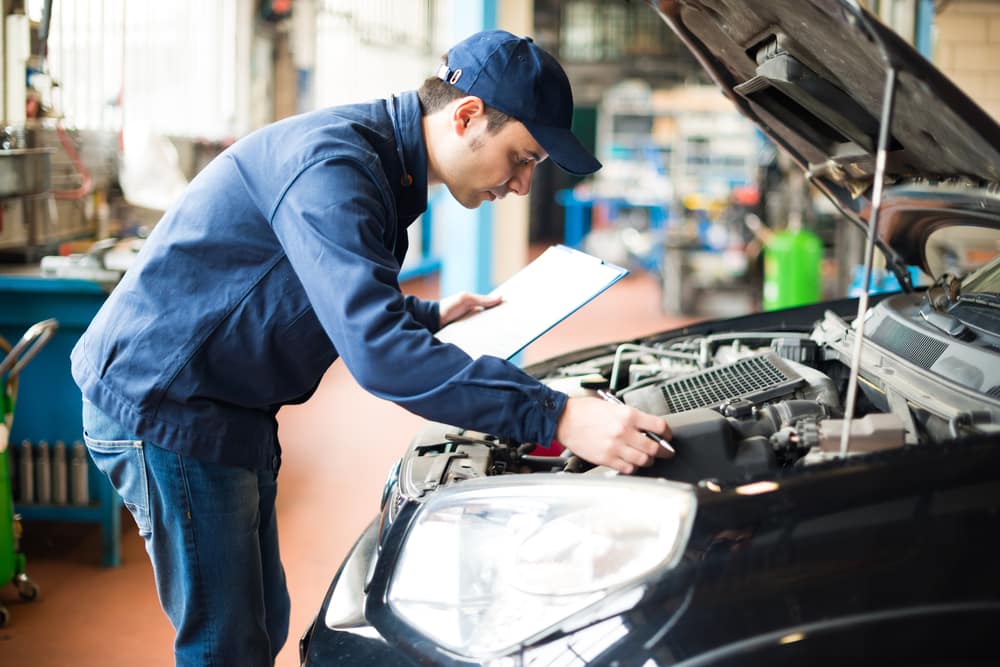
A comprehensive evaluation of the vehicle’s engine requires a multi-point inspection covering sound, mounts, and fluid condition. A experienced inspector listens for "rattling" or "knocking" noises that may result from overheating caused by gasket failure. Inspectors also assess the condition of engine mounts, as the vibration from a blown gasket can loosen these components over time. The inspection extends to the cooling system, checking for cracks in the radiator or hoses that may have been caused by the thermal stress of the engine.
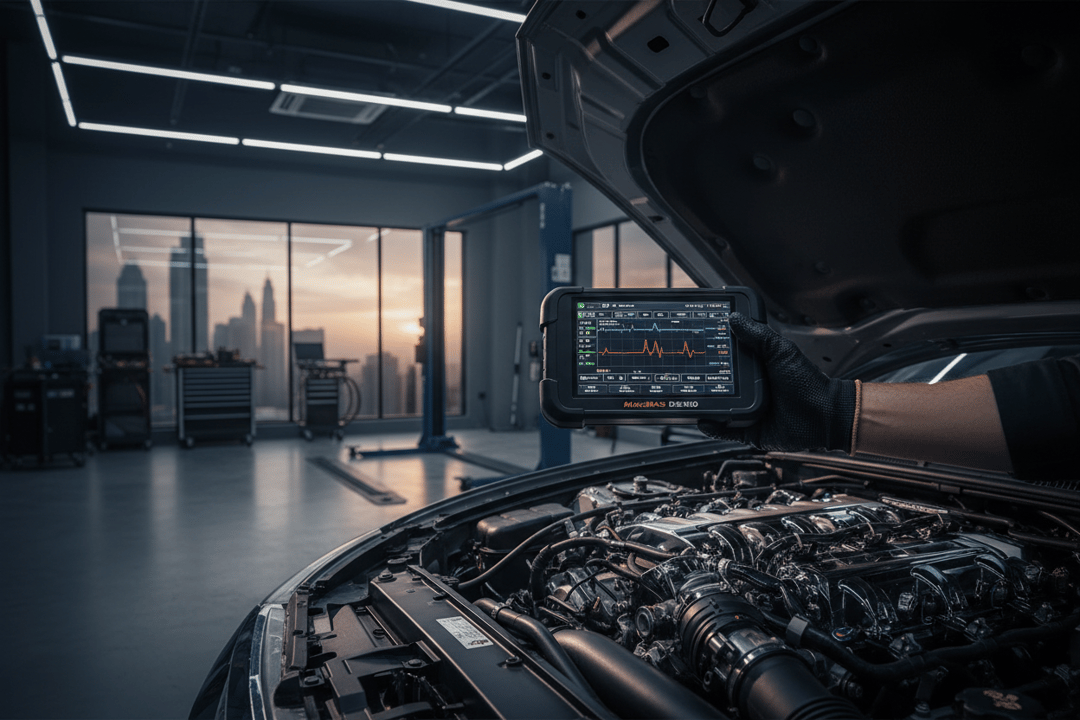
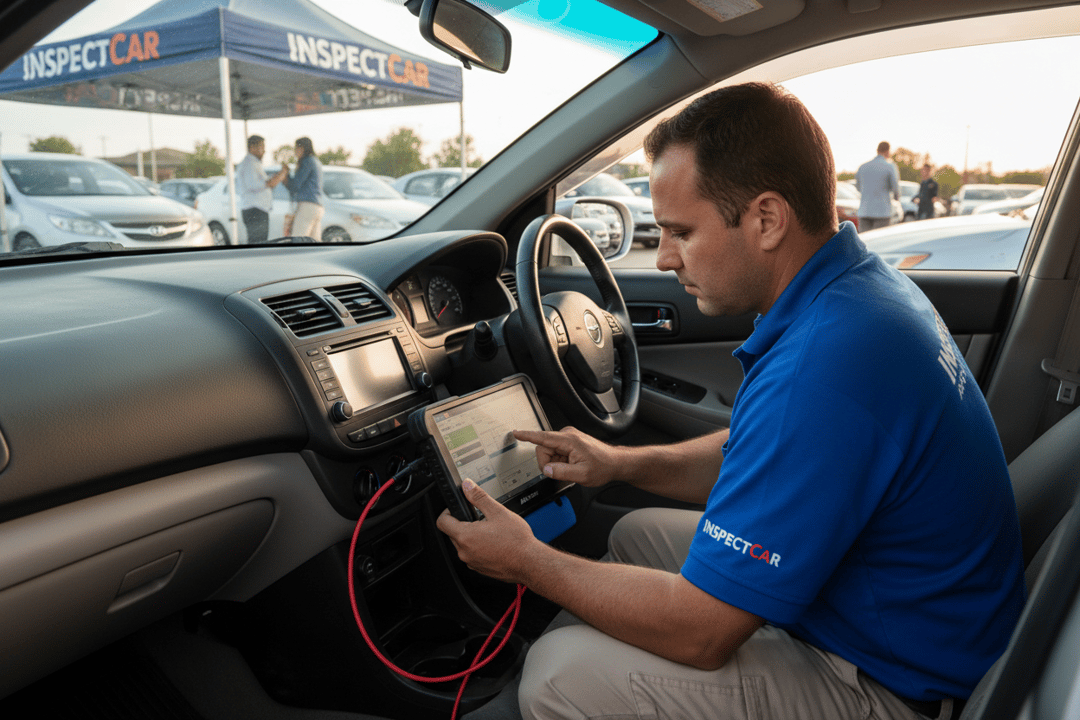
Modern vehicles utilize On-Board Diagnostics (OBD) to monitor engine performance, though gasket failures rarely trigger specific check engine lights. A professional inspection bridges the gap between raw diagnostic data and mechanical reality. Technicians evaluate the fluid levels and condition of anti-freeze, ensuring it is not contaminated with combustion byproducts. This holistic view is essential for distinguishing between a simple cooling system issue and a structural failure of the gasket.
| Inspection Package | Price (AED) | Core Focus |
|---|---|---|
| Computer Diagnostic | 99 | Engine, Transmission, ABS, Airbag codes |
| Body & Computer | 250 | Panel-by-panel paint check, computer scan |
| Comprehensive | 399 | Full 410+ checkpoint inspection, road test, structure |
Inspection Packages and Preventative Investment
Purchasing a pre-purchase inspection is a cost-effective measure that prevents the financial burden of unexpected engine replacement. The cost of a gasket repair alone can be substantial, and misdiagnosis often leads to repeated repairs that do not solve the underlying issue. AutoFay offers specialized packages designed to cover the necessary checkpoints without overcharging for services that are not required. The Computer Diagnostic package at AED 99 is ideal for identifying electronic faults that may mimic gasket symptoms.
For vehicles showing clear signs of fluid leakage or performance issues, the Body & Computer package at AED 250 provides a broader scope. This covers the panel-by-panel paint analysis alongside the necessary engine scans. The most thorough option, the Comprehensive package at AED 299, covers 410+ checkpoints across 25 categories. This includes a detailed road test to check for vibration or overheating, ensuring every potential point of failure is documented before the buyer commits to the purchase.
Professional inspection services are available across all seven Emirates via on-location inspection. This convenience allows vehicle owners to have their cars inspected at their location without the need to transport a potentially overheating or leaking vehicle. By utilizing a licensed inspection company, buyers ensure that the vehicle’s condition is verified by an objective third party, protecting them from costly post-purchase repairs.
AutoFay inspects 410+ checkpoints with HD photos and PDF report. Book at autofay.ae or call +971542584458


0 Comments
No comments yet. Be the first to share your thoughts!