

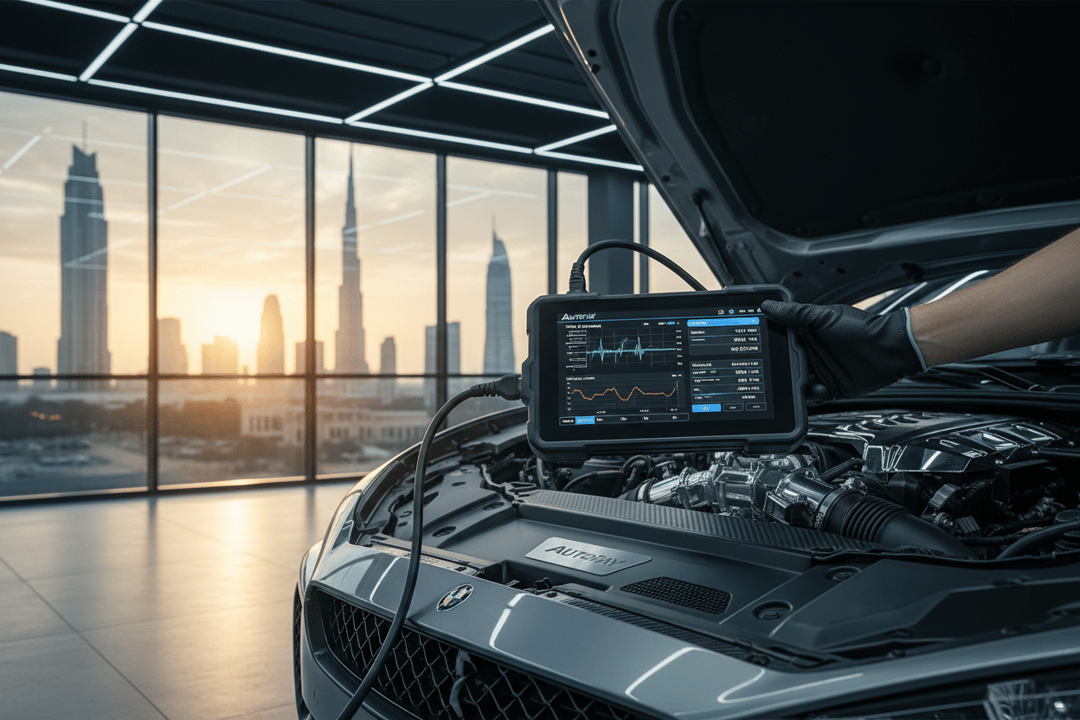
When purchasing a used vehicle in the United Arab Emirates, prospective buyers must look beyond aesthetics and engine idle speed. One critical component often overlooked until it fails completely is the Exhaust Gas Recirculation (EGR) valve. This device plays a pivotal role in reducing nitrogen oxide emissions and preventing overheating. However, as a certified vehicle inspector, I have seen countless engines compromised by a faulty EGR system. Detecting these issues before signing the purchase agreement saves significant expense and prevents catastrophic engine failure. This guide outlines the technical signs of EGR valve failure and how professional inspection services identify these hidden problems.
The Function and Failure Mechanism of the EGR Valve
The EGR valve manages the flow of exhaust gases back into the engine's intake manifold. By recirculating a portion of the exhaust, the system lowers combustion temperatures. High combustion temperatures cause the formation of oxides of nitrogen, which are harmful pollutants. The valve operates electronically or mechanically, opening to allow exhaust gases to mix with fresh air and fuel. Over time, soot and carbon deposits accumulate on the valve's pintle and pintle seat. This buildup causes the valve to stick open or close prematurely. When the valve fails to seat correctly, the engine control unit (ECU) detects a fault, triggering the Check Engine Light and degrading engine performance.
Immediate Visual Indicators of EGR Issues
Physical inspection of the engine bay often reveals the first clues of EGR system distress. You should look for oil contamination and exhaust discoloration, as these are definitive signs of internal component failure. A failing valve allows raw fuel and oil vapor to bypass the normal combustion process, leading to carbon buildup that mixes with the engine oil.
- Black, Gritty Oil: Remove the dipstick and inspect the oil level and condition. If the oil appears black and feels gritty or gritty to the touch, carbon deposits have likely entered the crankcase due to a leaking EGR valve.
- Exhaust Smoke: Observe the tailpipe during a cold start. Blue smoke indicates burning oil, which can result from excessive pressure in the crankcase caused by a stuck-open EGR valve pushing unburnt fuel into the oil stream.
- Carbon Deposits on the Valve: If you have access to the valve (often located on the intake manifold), look for heavy black soot buildup. This indicates the valve is struggling to cycle correctly and is likely sticking.
Detecting Diagnostic Trouble Codes (DTC)
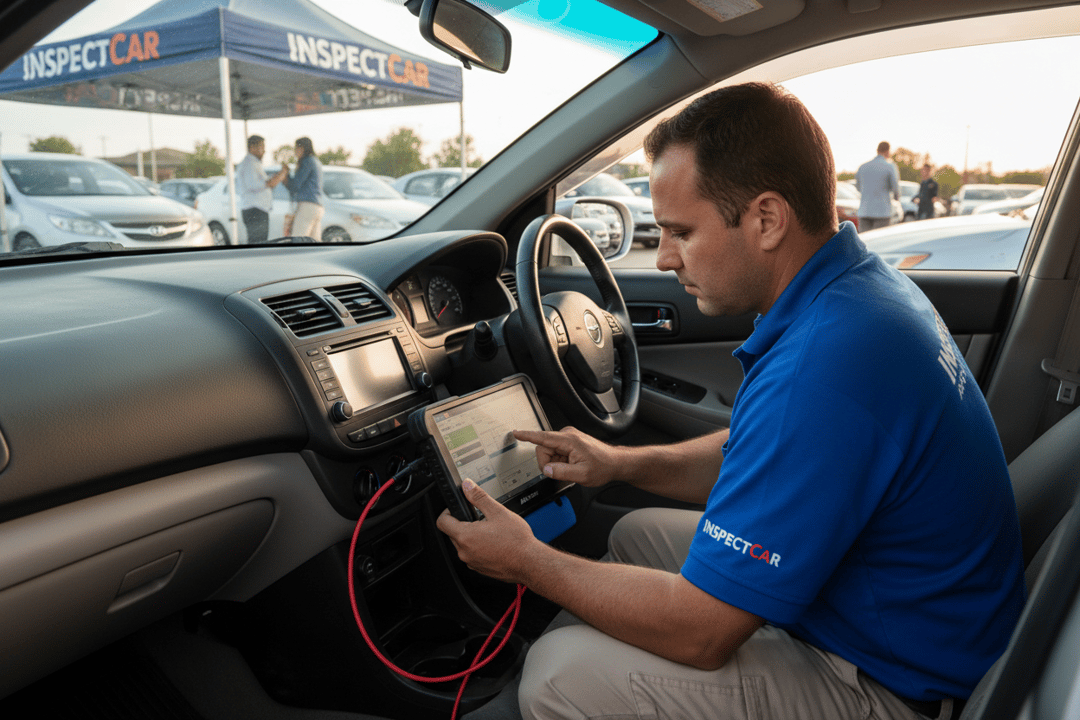
The most reliable method for diagnosing EGR faults is through an On-Board Diagnostics (OBD) scanner. The engine control unit monitors the position of the EGR valve. If the valve does not move to the requested position, the ECU logs a specific code. Technicians use these codes to pinpoint the exact nature of the problem, whether it is a vacuum leak, a faulty sensor, or a mechanical failure of the valve itself.
Inspection packages vary in scope, affecting how thoroughly these codes are analyzed. Below is a comparison of available inspection tiers and their relevance to EGR diagnostics.
| Inspection Package | Price | Scope for EGR Diagnostics |
|---|---|---|
| Computer Diagnostic | AED 99 | Reads engine transmission, ABS, and airbag codes, specifically identifying P0401 or P0402 generic EGR fault codes. |
| Body & Computer | AED 250 | Includes a full OBD scan to retrieve and clear EGR-related trouble codes, verifying if the light resets after driving. |
| Comprehensive | AED 299 | Mechanical engine inspection combined with OBD scanning to cross-reference mechanical faults with electronic error codes. |
Road Test and Performance Symptoms
A experienced inspector performs a Road Test to evaluate how the EGR valve affects the vehicle's drivability. A stuck-open EGR valve causes the engine to suck in excess exhaust gas, which dilutes the fuel mixture. This results in a lean fuel condition that creates hesitation and poor acceleration.
- Rough Idle: The engine may shake or vibrate excessively at a stoplight. This occurs because the idle air control valve struggles to compensate for the large amount of exhaust gas entering the combustion chamber.
- Stalling: If the EGR valve fails to close completely when the vehicle comes to a halt, the engine may stall immediately after stopping or have difficulty restarting.
- Check Engine Light: While the light is the most common symptom, persistent illumination indicates the ECU has detected a long-term fault that requires immediate attention to prevent catalytic converter damage.
Engine and Fluid Inspection Categories
A comprehensive inspection goes beyond the dashboard and focuses on the physical health of the engine components. When inspecting the Engine category, look for the condition of the EGR cooler and the intake manifold runner control. In the Fluids category, checking the engine oil is critical. As mentioned, oil contamination is a direct consequence of EGR valve failure, where carbon and fuel wash past the piston rings.
AutoFay inspectors examine these areas using a 410+ checkpointlist. We check not just for faults, but for the *condition* of parts. For example, we assess whether the EGR valve cover is cracked or leaking, which can introduce dirt into the valve mechanism. We also inspect the EGR cooler for coolant leaks, a common secondary failure associated with EGR valves in high-temperature climates like the UAE.
The Consequences of Neglecting EGR Failure
Failing to address an EGR valve issue leads to escalating mechanical damage. The carbon buildup caused by a malfunctioning valve can eventually clog the intake manifold and the EGR port. This obstruction restricts airflow, forcing the engine to work harder to breathe. In severe cases, the carbon can erode valve seats, leading to head gasket failure. Additionally, a constantly running EGR valve can cause the catalytic converter to overheat and melt, a repair that is prohibitively expensive.
Professional Inspection Protocols
Professional inspection services offer a distinct advantage over independent mechanic estimates before you commit to a purchase. A experienced inspector can differentiate between a dirty valve (which can be cleaned) and a mechanical failure (which requires replacement). We utilize advanced diagnostic tools to simulate EGR activity and verify the valve’s response time.
For buyers in the UAE, on-location inspection services provide convenience and thoroughness. Our teams inspect 410+ checkpoints across 25 categories, including the specific Engine and Suspension categories that can be affected by EGR performance issues. We provide HD photos and a detailed PDF report highlighting the EGR system's status, ensuring you know exactly what mechanical risks you are purchasing.
AutoFay inspects 410+ checkpoints with HD photos and PDF report. Book at autofay.ae or call +971542584458



0 Comments
No comments yet. Be the first to share your thoughts!