
The UAE’s extreme temperatures and heavy traffic conditions place immense stress on automotive exhaust systems, making the catalytic converter a critical component to evaluate during any pre-purchase inspection. This device mitigates harmful emissions and maintains optimal exhaust flow; however, it is prone to failure due to age, contamination, or Physical damage. Identifying a failing converter before purchasing a vehicle prevents unexpected ownership costs and ensures the engine operates within legal and efficient parameters. A compromised unit can lead to reduced fuel economy, sluggish acceleration, and potential engine overheating, which are detrimental to long-term vehicle health.
The Role of the Catalytic Converter
The catalytic converter functions as a pollution control device by converting harmful exhaust gases into less toxic emissions. This process relies on a ceramic or metallic honeycomb substrate coated with precious metals like platinum and palladium. When this substrate becomes clogged or broken, exhaust gases cannot exit the engine efficiently. The resulting pressure buildup forces the engine to work harder, consuming more fuel and generating higher under-hood temperatures that can damage the oxygen sensors and exhaust manifold. In the UAE climate, where under-hood heat is already a primary concern, a blocked converter exacerbates thermal stress on surrounding engine components.
Auditory and Visual Warning Signs
A failing catalytic converter often produces distinct sounds that can be heard during a standard road test. Drivers should listen for a rattling noise originating from the underside of the vehicle, which indicates that the internal honeycomb structure has broken apart and is rattling against the metal casing. Conversely, a hissing sound may suggest an exhaust leak at the converter’s flange, often caused by warped heat shields or corroded bolts. Visually, a converter that is glowing red hot under the hood is a sign of severe blockage or a vacuum leak, presenting an immediate fire hazard and indicating that the exhaust flow is critically restricted.
- Rattling Noise: Metal fragments inside the unit striking the casing.
- Exhaust Smell: A strong smell of sulfur or rotten eggs indicates incomplete combustion.
- Heat: The converter housing is unusually hot to the touch.
- Undercarriage Look: Physical damage, dents, or missing bolts are common signs of theft or impact.
Diagnostic Codes and Electronic Failure
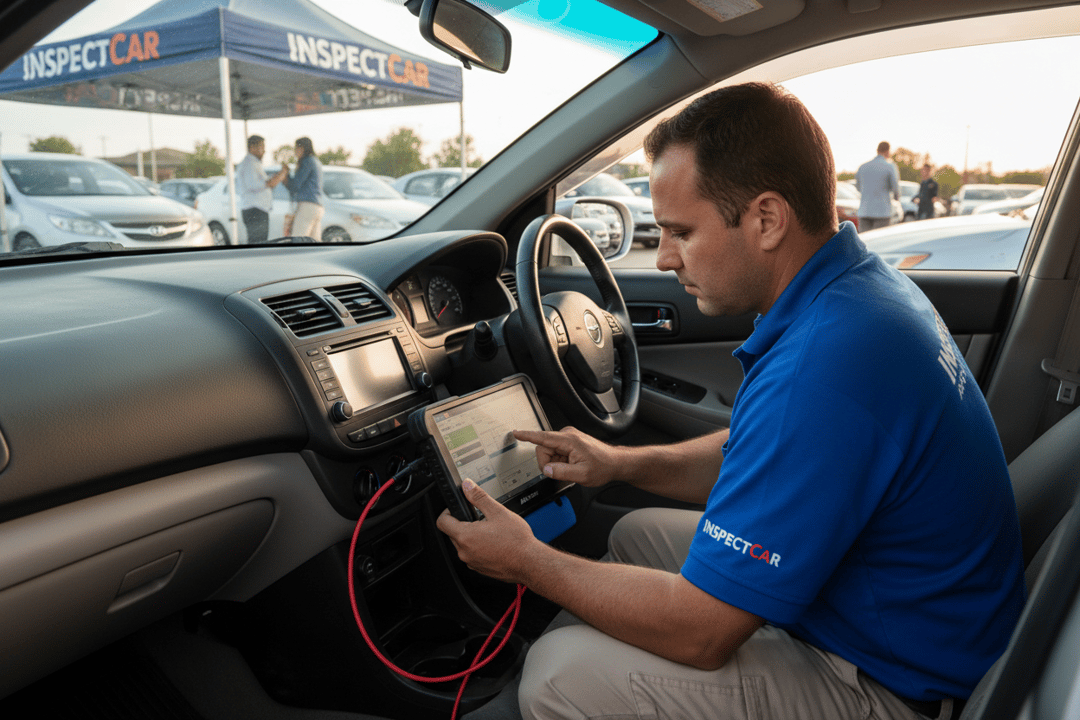
Modern vehicles rely on On-Board Diagnostics (OBD) to monitor the efficiency of the catalytic converter. When the system detects that the converter is not processing exhaust gases at the expected rate, it triggers the Check Engine Light and stores a specific fault code in the vehicle's computer. Technicians often look for the generic code P0420, which indicates a problem with the Catalyst System Efficiency Below Threshold. Relying solely on visual observation is insufficient; a thorough electronic diagnostic scan is required to confirm whether the issue is mechanical or electronic, such as a faulty oxygen sensor sending incorrect data to the engine control unit.
Pre-Purchase Inspection Strategy
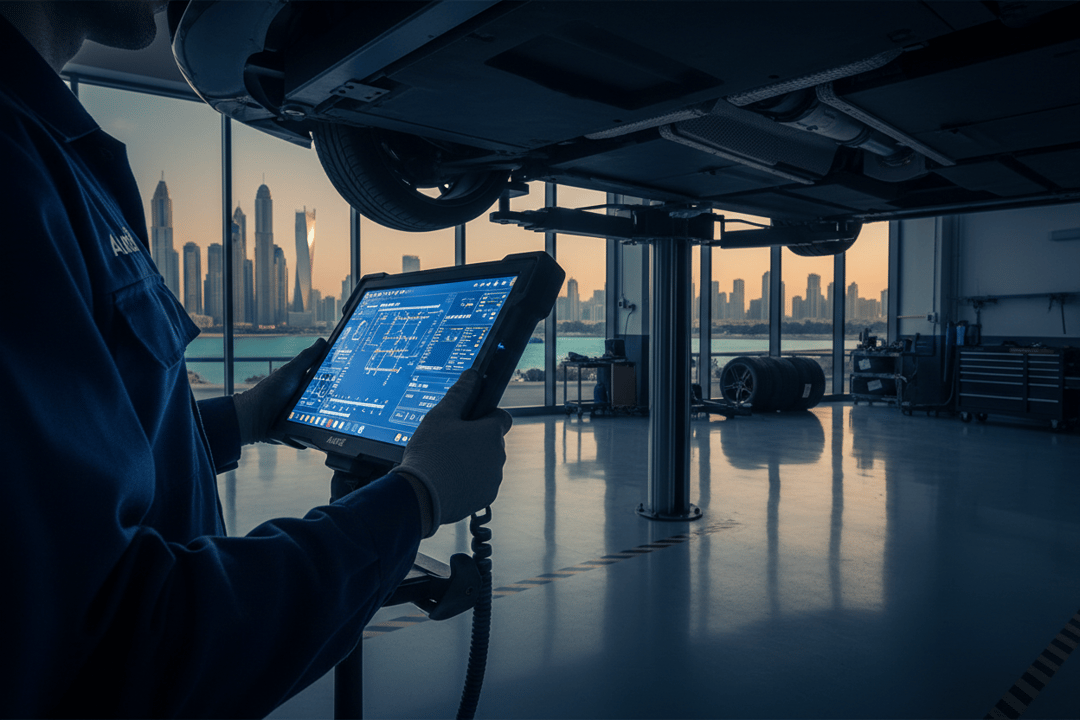
Given the complexity of modern emissions systems, a professional inspection is the only way to accurately assess the condition of the catalytic converter. Many unscrupulous sellers may attempt to cover up converter failure or even steal the unit for its precious metals, leaving a dangerous void in the exhaust system. A experienced inspector evaluates the unit's physical integrity, checks for previous repairs or theft, and reviews the electronic data logs. Utilizing a on-location inspection service ensures the vehicle can be tested in real-world conditions without the seller's influence, providing an objective assessment of the vehicle's true condition.
| Inspection Package | Service Inclusions |
|---|---|
| Computer Diagnostic | Engine, Transmission, ABS, Airbag codes analysis. |
| Body & Computer | Panel-by-panel paint analysis + Engine electronic scan. |
| Comprehensive | Full 410+ checkpoint inspection: Frame, Fluids, Brakes, Suspension, and Road Test. |
Connecting Road Test to Component Health
The "Road Test" category within a comprehensive inspection is essential for detecting converter issues that static diagnostics might miss. An inspector listens for engine sputtering or misfires when the vehicle is under load, such as during acceleration or climbing hills. They also monitor the exhaust output for smoke color; a grey or white smoke indicates fuel or coolant burning, often linked to converter inefficiency. By driving the vehicle, the inspector can simulate the stress of UAE traffic and identify whether the engine is struggling to expel gases through the catalytic converter, a problem that would be invisible during a static parking lot check.
- Listen During Acceleration: Pay attention to any hesitation or popping noises from the exhaust.
- Monitor Dashboard: Note if the Check Engine light flickers or illuminates during high-speed driving.
- Assess Exhaust Flow: Feel the exhaust pipe downstream of the converter; it should be warm, not scorching hot.
- Check Frame Integrity: Ensure the converter mounts are secure and the exhaust system is properly aligned to prevent vibration damage.
For buyers in the UAE, a thorough inspection covers more than just the engine block; it scrutinizes the entire exhaust system for hidden faults. Professional inspectors utilize advanced tools to interpret complex error codes and perform a physical examination of the converter's casing and mounting points. Engaging a certified service ensures that the vehicle's emissions systems are functional and compliant with local regulations. AutoFay inspects 410+ checkpoints with HD photos and PDF report. Book at autofay.ae or call +971542584458.



0 Comments
No comments yet. Be the first to share your thoughts!