
Purchasing a vehicle from a peer, a relative, or a close acquaintance is a common practice in the UAE market. The primary motivation is usually financial savings and the assumption that trust eliminates the need for rigorous vetting. Friends and family members may offer a vehicle they believe is in excellent condition, often overlooking minor imperfections due to emotional attachment or a desire to provide a good deal. This social dynamic creates a blind spot that can lead to significant financial loss and safety risks. A handshake and a story do not replace technical verification. Mechanical systems function independently of social relationships. A professional inspection serves as the objective third party required to bridge the gap between seller assurance and buyer reality.
The Psychology of the Private Sale
Social bias often clouds the seller's judgment regarding the vehicle's condition. A seller may fail to notice a faint vibration in the steering wheel or a slight misalignment because they have grown accustomed to these anomalies. Friends and family members may also be hesitant to disclose accident history, fearing it will devalue the relationship as much as the car. This omission creates a dangerous environment for the buyer who lacks technical expertise to identify these red flags. Emotional investment in the vehicle often leads to rationalization of defects. The seller might describe a "minor" scratch as mere surface wear, while it actually indicates an accident that compromised the structural integrity. Independent verification strips away these subjective interpretations.
What a Friend Hides: Why Visibility Matters
Detailed inspection reveals issues that are invisible to the untrained eye. A vehicle might appear clean on the surface, but panel-by-panel analysis can expose previous repairs using substandard materials. The seller might have replaced a bumper themselves, but a professional inspector can verify if the mounting brackets were realigned correctly. This distinction is critical for long-term safety and resale value. Hidden damage often lies beneath the cosmetic layer. Even a vehicle that feels solid to the touch can possess compromised frame components that affect handling and safety. A comprehensive inspection exposes these hidden truths, ensuring the buyer understands the true state of the asset.
The 410+ Point Standard
A professional inspection operates on a standardized criteria set that disregards personal bias. Inspectors do not look for "good" or "bad" cars; they look for compliance with manufacturing standards. This approach ensures that every vehicle is evaluated against the same rigorous benchmarks. Key categories examined include body and paint, where original factory panels are distinguished from restored ones. Mechanics assess the frame, checking rails, pillars, and the floor pan for structural damage that might not be visible from the exterior. The engine compartment undergoes a thorough review, checking for leaks, the condition of engine mounts, and the color of exhaust smoke, which reveals combustion efficiency and potential internal wear.
Electronic and Mechanical Integration
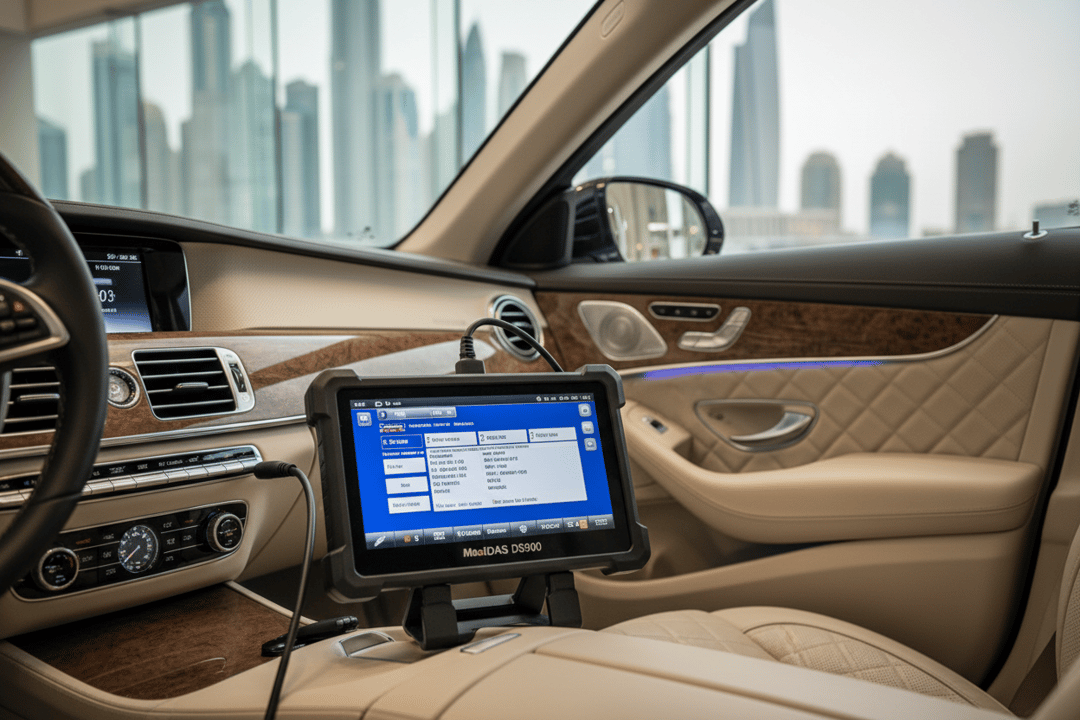
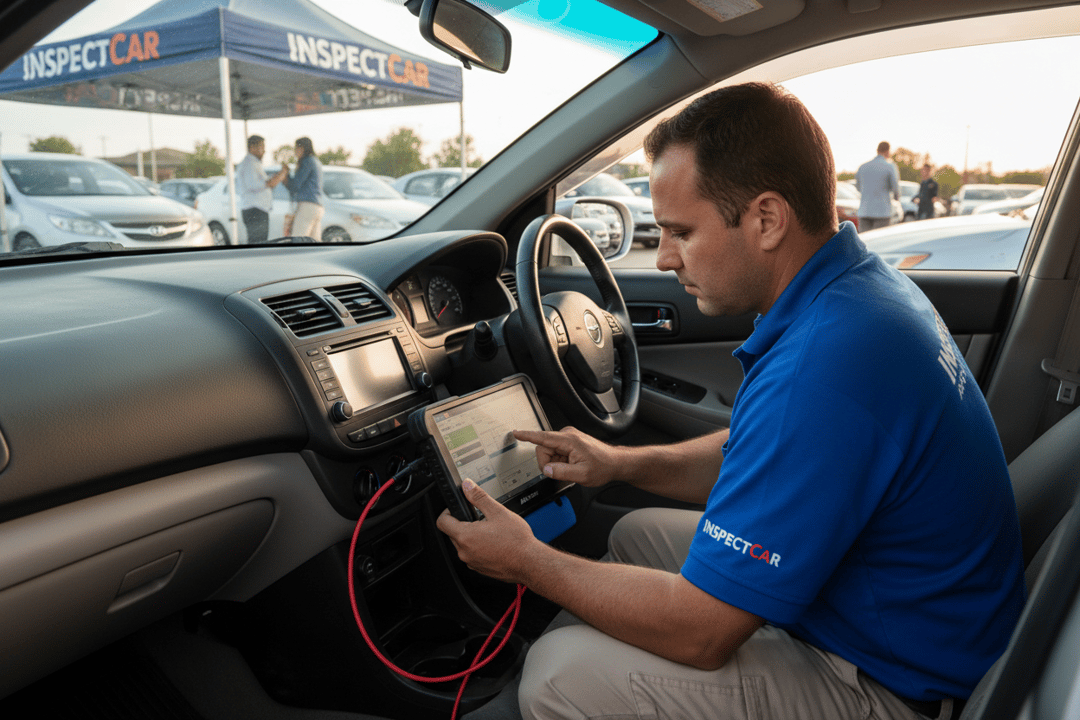
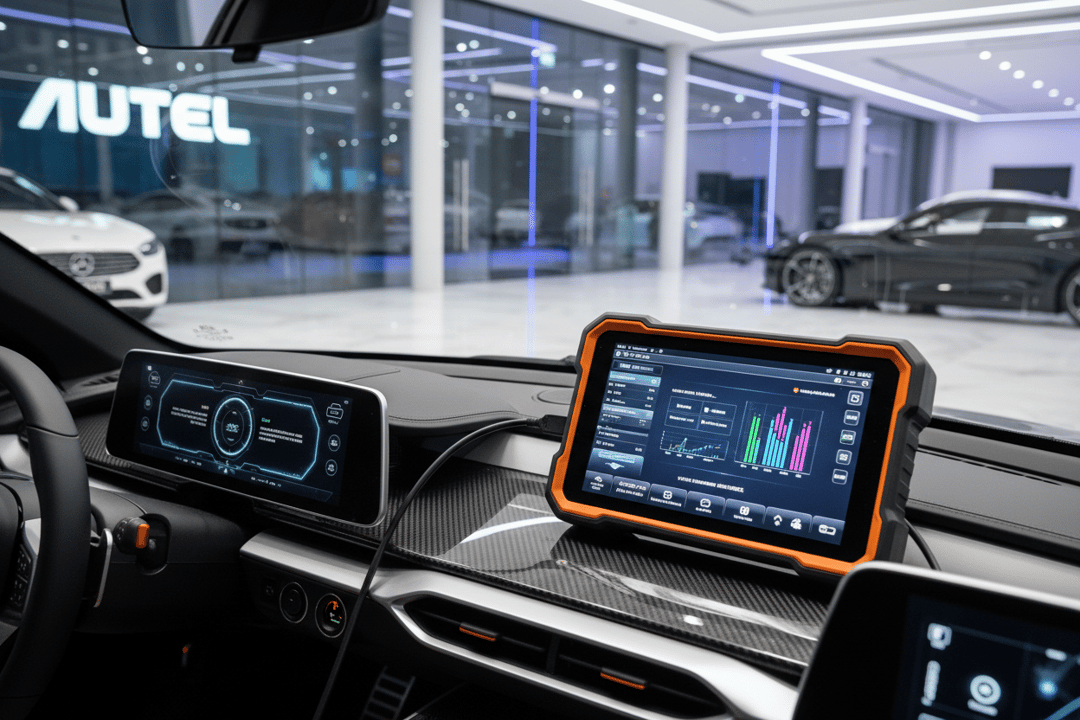
Modern vehicles rely heavily on complex electronic systems that require computer diagnostics. An untrained eye cannot see the internal error codes stored in the Engine Control Unit (ECU). A professional OBD scan checks the engine, transmission, ABS, and airbag systems simultaneously to ensure all safety features are operational. Brakes are inspected not just for pad depth, but for the quality of the hardware and fluid condition. Suspension components are tested for play or corrosion. Tires are logged with their manufacturing year and tread depth to predict failure points. Fluids are checked for level and condition, indicating potential internal engine wear. Finally, a road test measures acceleration, braking performance, and noise to ensure the drivetrain functions smoothly.
| Inspection Area | What a Seller May Overlook | Professional Inspection Focus |
|---|---|---|
| Body & Paint | Minor scratches or mismatched paint colors. | Panel-by-panel verification of original factory finish and structural alignment. |
| Frame | Slight misalignment after minor contact. | Analysis of rails, pillars, and floor pan to ensure structural safety. |
| Engine | td>Minor oil leaks or unusual idle.Mount health, exhaust smoke analysis, and fluid condition. | |
| Electronics | OBD scan for transmission, ABS, and airbag fault codes. | |
| Brakes | Worn pads but still stopping the car. | Pad percentage rating and hardware integrity assessment. |
The Financial and Safety Case for Inspection
The cost of a professional inspection is significantly lower than the consequences of purchasing a defective vehicle. Skipping this step invites potential significant failures that result in total engine replacement or frame straightening. For example, failing to detect a blown head gasket prevents the buyer from negotiating a lower price based on that specific defect. The seller might refuse a discount, but the inspection report provides the objective data needed to demand it. Furthermore, safety risks such as brake failure or suspension collapse pose life-threatening dangers to the driver and passengers.
Consequences of Unseen Defects
- Engine Failure: Purchasing a car with low oil levels or coolant leaks often accelerates engine wear, leading to total breakdown within weeks of purchase.
- Structural Risks: A compromised frame affects the car's ability to absorb impact during a collision, significantly reducing the protection offered to occupants.
- Electrical Malfunctions: Hidden transmission codes can cause the vehicle to enter limp mode, rendering it undrivable for daily commutes.
- Suspension Collapse: Worn bushings or ball joints can lead to loss of steering control, creating immediate hazardous driving conditions.
Maximizing Value with the Right Package
Not all inspections offer the same depth of analysis. Selecting the appropriate package determines how much information the buyer receives. For budget-conscious buyers, starting with a basic scan is a logical first step. However, a low-cost scan cannot detect physical damage or mechanical wear. It is essential to match the inspection type to the vehicle's age and condition. A newer car benefits from a comprehensive inspection to ensure all safety features are intact. An older vehicle requires a full 410+ checkpoint to understand the extent of wear and tear.
- Computer Diagnostic AED 99: This package provides the essential electronic data. It scans the Engine, Transmission, ABS, and Airbag systems for stored fault codes. It identifies electronic gremlins that can cause drivability issues.
- Body & Computer AED 250: This package adds a visual inspection of the bodywork and paint. It ensures that cosmetic repairs have not compromised safety features or structural alignment.
- Comprehensive AED 299: This is the complete assessment. It covers the 410+ checkpoints across 25 categories. It includes the road test, checking brakes, suspension, tires, and fluids. It provides the full picture required for a sound transaction.
Navigating the Conversation
Asking for an inspection from a friend requires tact to maintain the relationship while ensuring due diligence. The request should be framed around protecting the seller's reputation as well as the buyer's investment. The buyer can state that they are seeking a professional opinion to verify the vehicle's history before finalizing the transfer of ownership. This approach shifts the focus from distrust to professional verification. A written report serves as a neutral document that settles disagreements about the car's condition.
For the inspection process to work effectively, the seller must grant full access to the vehicle. This includes the trunk, engine bay, and the ability to take the car for a road test. The seller should understand that a professional report is an asset, not an accusation. It proves that the buyer has been thorough and respected the vehicle's history. This transparency builds trust. Once the inspection is complete, the buyer can use the findings to negotiate repairs or a price adjustment if issues are found.
AutoFay inspects 410+ checkpoints with HD photos and PDF report. Book at autofay.ae or call +971542584458.

0 Comments
No comments yet. Be the first to share your thoughts!