
Walking into a dealership showroom offers a sensory experience designed to sell a dream. The air is often perfumed, the lighting is softened, and the vehicles gleam under ideal conditions. For buyers, the pristine exterior and polished interior create an immediate impression of quality and care. However, this curated environment often obscures the mechanical reality of the vehicle. A showroom car is rarely a pristine machine; it is a retail product that has undergone aggressive cosmetic maintenance while potentially neglecting critical mechanical health. Understanding the difference between what dealers fix cosmetically and what they hide mechanically is essential for making a sound investment.
The Illusion of the Showroom Experience
Dealerships prioritize retail appeal above all else. The goal is to present the vehicle in a condition that maximizes its value at the point of sale. This focus naturally skews toward cosmetic maintenance because it is visible and immediate. A scratch, a dent, or a dirty dashboard is immediately apparent to a potential buyer. Conversely, a failing transmission or a worn suspension bushing may not be evident until the car is driven or subjected to a diagnostic stress test.
Because cosmetics cost significantly less to address than mechanical repairs, dealers allocate their resources accordingly. They will spend hours detailing the paint and polishing the chrome to justify a higher price tag. However, they often delay or defer mechanical repairs to reduce overhead and maximize profit margins. This creates a stark contrast between the visual appeal of the vehicle and its operational integrity.
Cosmetic Repairs vs. Structural Reality
The most common area of deception in the showroom is the body and paint. Dealers are experts at masking accident history. A minor fender bender that compromised the structural alignment can be repaired and repainted to look perfect. To the untrained eye, a fresh coat of paint indicates a well-maintained vehicle, but to a experienced inspector, it signals potential danger.
Independent inspection moves beyond surface level to examine the vehicle's structure. A thorough analysis involves checking for panel gaps, alignment, and the quality of the repair work. Professionals look for signs of welding, filler use, or stress marks on the metal. Without this scrutiny, a buyer may inherit a vehicle with compromised safety features that could fail in a collision.
- Panel Alignment: Uneven gaps between doors or bonnets suggest prior collision damage.
- Paint Thickness: Variations in paint layers indicate where bodywork has been performed.
- Frame Rails: Damage to the structural rails affects the vehicle's handling and safety.
The Engine: Visuals vs. Functionality
The engine bay is often the most manipulated area of a showroom vehicle. While dealers might clean the engine compartment to remove oil leaks and grease, they rarely address the root causes of those issues. A clean engine is attractive, but it does not guarantee that the internal components are functioning optimally. Smoke from the exhaust, unusual noises during acceleration, or hesitation during gear changes are symptoms that dealers often hope the buyer will miss during a short test drive.
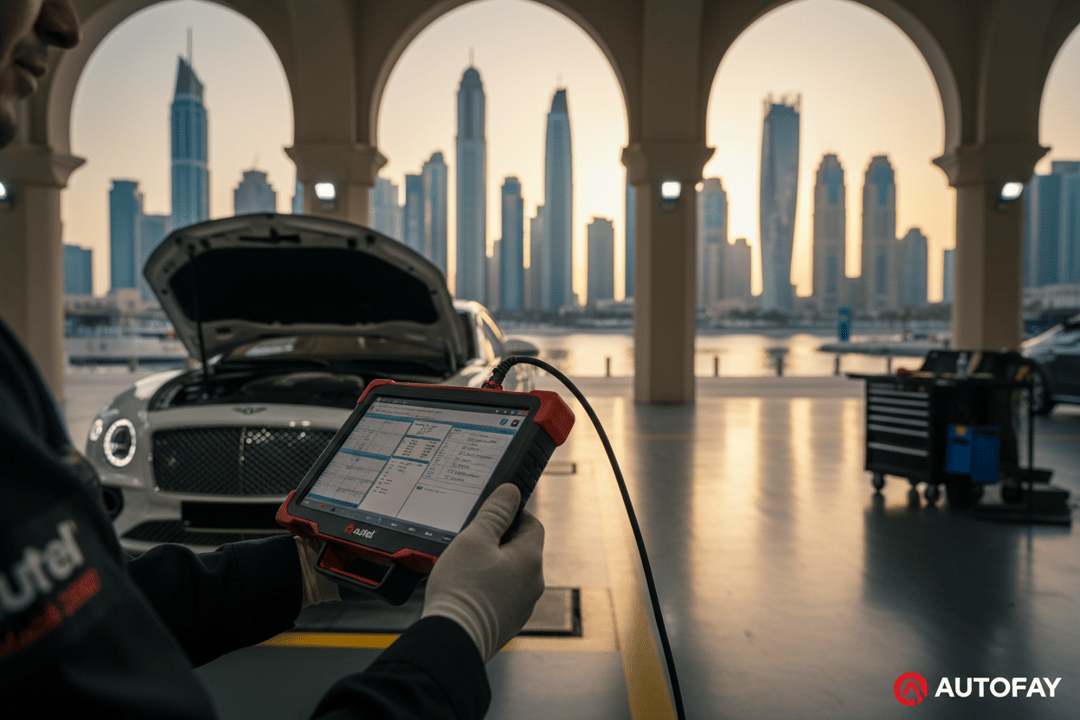
Visibility plays a massive role in this deception. Mechanics can test drive a car for twenty minutes, but independent inspectors often utilize computer diagnostics to uncover hidden faults. An OBD scan reveals error codes that might not manifest during a casual drive. These codes can point to transmission slipping, oxygen sensor failures, or airbag module issues that a dealer might choose to ignore or clear to make the sale.
The Diagnostic Gap
While a visual inspection checks the engine's external condition, a computer diagnostic provides a digital snapshot of its internal health. This is where the value of a specialized inspection becomes undeniable. A standard road test cannot replicate the stress of high-speed highway driving or heavy load conditions. The mechanical components that fail during these moments are often the ones that dealers fail to replace.
- OBD Scan: Identifies transmission, ABS, and airbag faults.
- Smoke Test: Reveals leaks in the engine or vacuum systems.
- Sound Analysis: Listens for bearing wear or timing chain issues.
Suspension and Safety Systems
Suspension components are often the first to wear out in a used car, yet they are also the hardest to spot without lifting the vehicle. A dealer will drive the car onto the lot and maneuver it over speed bumps. This short maneuvering hides the clunking noises of worn struts or the sagging geometry of worn shock absorbers. For a buyer, the car may appear to ride smoothly, but the underlying components may be on their last legs.
Furthermore, suspension wear affects braking performance and tire wear patterns. If a wheel alignment is off due to worn suspension parts, the tires will wear unevenly, costing the owner thousands in replacements shortly after purchase. A comprehensive inspection goes beneath the car to inspect the frame and suspension geometry, ensuring that the safety systems are not compromised by age or neglect.
The Lifecycle of Fluids and Tires
The condition of fluids and tires often tells the true story of a vehicle's usage. Dealers may argue that a car has low mileage, but the age of the tires and the condition of the fluids tell a different story. Tires have a limited lifespan regardless of mileage. Driving on tires that are five years old, even if they have low tread depth, poses a significant safety risk, particularly in the UAE's extreme heat.
Fluids undergo thermal degradation over time. Engine oil, coolant, and brake fluid can degrade even when the car is parked. Dark, burnt-smelling oil suggests that the engine has been run hard or neglected. Coolant that is brown or rusty indicates a cooling system failure waiting to happen. An independent inspector checks the manufacturing dates on tires and tests the condition of fluids to determine the vehicle's true biological age.
| Inspection Category | Dealer Focus | Inspector Reality |
|---|---|---|
| Body & Paint | Polishing, minor touch-ups | Panel-by-panel originality, accident history |
| Engine | Cleaning, visual start-up | OBD codes, smoke analysis, oil condition |
| Suspension | Curb check during test drive | Road test under load, frame geometry |
| Tires & Brakes | Tread depth check only | Manufacturing year, pad thickness, fluid levels |
Why Independent Inspection is Non-Negotiable
Relying solely on the dealer's word is a gamble with significant financial and safety consequences. Dealers operate on a model of retail turnover; they want to move units quickly and avoid expensive repairs that reduce their margin. An independent inspection flips this dynamic. It empowers the buyer with objective data regarding the vehicle's condition.
Professional inspection services provide a roadmap of the car's health. They use advanced tools and a checklist of over 410+ checkpoints across 25 categories. These services cover everything from the electrical systems to the structural integrity of the frame. By uncovering issues that are invisible to the naked eye, an inspector prevents the buyer from inheriting a costly significant issue.
Whether the issue is a minor electronic glitch or a major mechanical failure, knowing the truth allows the buyer to negotiate from a position of strength. The data provided by a experienced inspector justifies price reductions or repair credits before the purchase is finalized.
AutoFay inspects 410+ checkpoints with HD photos and PDF report. Book at autofay.ae or call +971542584458.




0 Comments
No comments yet. Be the first to share your thoughts!