

Participating in vehicle auctions in the United Arab Emirates requires a disciplined approach to risk management. Unlike traditional dealerships where cars are often pre-selected and prepared, auctions feature vehicles sold strictly "as is, where is." The bidding strategy must therefore shift from assessing the vehicle's current condition to calculating the risk of undisclosed defects. Skipping a proper inspection can lead to significant financial loss and dangerous mechanical failures shortly after ownership transfer. Professional inspection services bridge the gap between the glossy auction listing and the physical reality of the vehicle, ensuring that the hammer price reflects the vehicle's actual value.
Strategies for Emirates Auction
Emirates Auction often features a mix of luxury vehicles, ex-government fleets, and high-end collectibles. The primary risk at these venues is usually depreciation due to high mileage or cosmetic neglect. When inspecting vehicles at Emirates Auction, focus on the discrepancy between the advertised mileage and the tire wear. Uneven tread depth or bald spots on the driver’s side tires often indicate aggressive driving or incorrect tire rotation, suggesting the odometer may have been tampered with or the car has been used for high-speed performance driving.
Pay close attention to the condition of the interior electronics. Luxury vehicles in the UAE undergo extreme temperature fluctuations, which can degrade cabin electronics rapidly. Test every button, button, and switch on the dashboard, including climate control, infotainment, and seat adjustments. Failure of these components during the first week of ownership is a common consequence of neglecting a thorough electrical system audit before bidding.
For the exterior, check the paintwork with a focus on panel gaps. Misaligned doors or bonnets often indicate previous accidents where structural integrity was compromised. Inspect the edges of the rubber weather stripping for marks that suggest the doors were forced open after a collision rather than closing smoothly.
Navigating Copart UAE Listings
Copart UAE listings present a different set of challenges, primarily because these vehicles are often sold as salvage, ex-rentals, or fleet cars. The primary strategy here is to investigate the vehicle's history before it arrives at the auction site. Look for keywords in the listing such as "Recover," "Flood," or "Fire" as these indicate severe structural or electrical damage that is often invisible to the untrained eye. Even if a vehicle appears clean, a "Recover" status often implies that the car was submerged in water, leading to long-term electrical short circuits in the fuse box and wiring harnesses.
When physically inspecting a vehicle from Copart, the suspension system takes precedence over aesthetics. Fleet vehicles are frequently driven aggressively over rough terrain, leading to bent tie rods, worn ball joints, or leaking shock absorbers. These issues compromise the vehicle's ability to steer and stop safely, requiring immediate and expensive replacement. Inspect the undercarriage for rust, particularly in the wheel arches and exhaust system, which are highly susceptible to salt and moisture damage in the UAE climate.
The Private Auction Wildcard
Private auctions in the UAE, often held by banks or private sellers, frequently lack standardized inspection reports or high-quality photography. The strategy here relies on bringing your own expertise or hiring a professional inspector to verify the "voice of the car." Without a listing description to guide you, you must rely on the vehicle's documentation. Verify the chassis number against the registration card to ensure the car has not been stolen or written off in a previous country.
At private auctions, the vehicle is often parked in a congested area where close inspection is difficult. Bring a flashlight and a magnet to check for body filler. If a magnet does not stick to the body panels, it is likely that steel has been replaced with fiberglass, a common repair technique used to hide accident damage. Additionally, check the oil dipstick for a milky texture, which indicates water contamination in the engine block—a sign of catastrophic head gasket failure.
The Inspection Checkpoints
A comprehensive inspection covers mechanical, structural, and cosmetic elements to reveal the true condition of the vehicle. The most critical mechanical components include the engine, transmission, and brakes. Listen for abnormal noises such as knocking or ticking when the engine is warm, as these sounds can indicate bearing failure or piston issues. Check the transmission fluid for a burnt smell or a dark color, which suggests the transmission has been subjected to high heat and may fail soon.
Structural integrity is another major category of concern. Inspect the frame rails, door pillars, and floor pans for rust or recent welding. Significant frame damage compromises the vehicle's safety cage, making it unsafe for driving in the event of a future collision. The suspension system must be evaluated for play in the joints and leaks in the shock absorbers, as these directly affect ride comfort and braking distances.
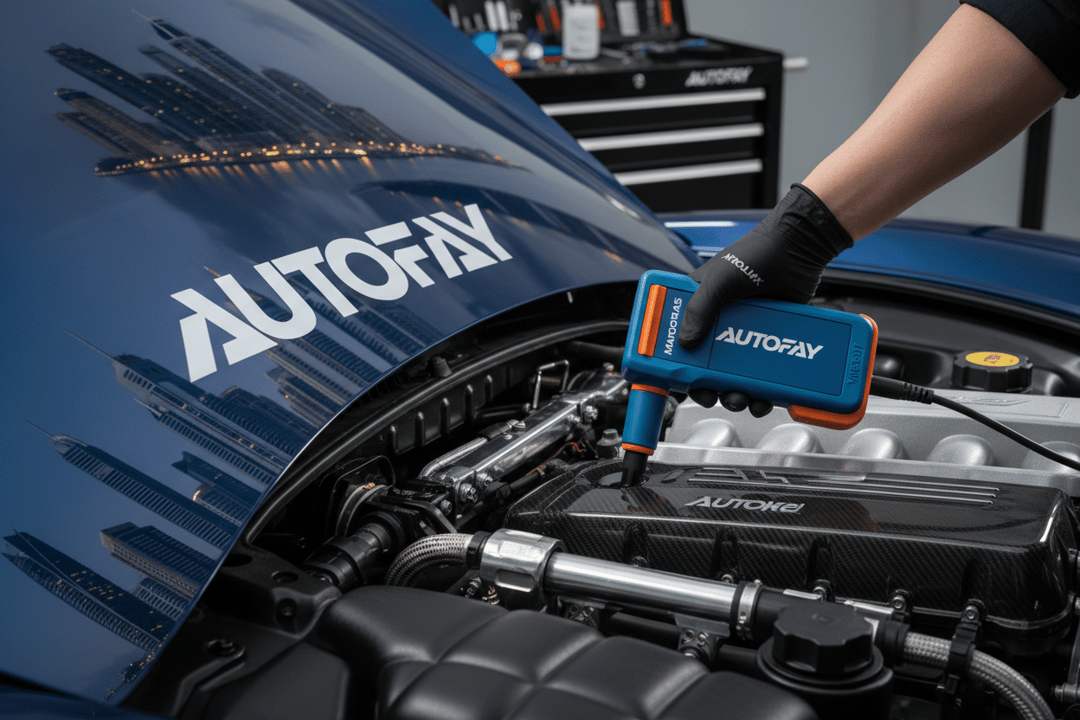
Electrical systems and fluids constitute the final major checkpoints. A diagnostic scanner is required to read the On-Board Diagnostics (OBD) system, which reveals hidden error codes for airbags, ABS, and engine faults. Checking fluid levels for the engine, transmission, coolant, and brake fluid ensures that the vehicle is not currently leaking and that the fluids have not degraded to a point requiring immediate replacement.
| Category | Priority Level | Potential Risk of Neglect |
|---|---|---|
| Engine & Transmission | Critical | Complete failure, engine lock-up, overheating |
| Body & Paint | High | >Rust propagation, poor resale value, safety hazards from misaligned panels|
| Suspension & Brakes | Critical | >Uneven tire wear, compromised handling, longer stopping distances|
| Electronics | High | >Start-up failures, airbag deployment issues, infotainment malfunctions
Leveraging Professional Inspection Packages
Hiring a experienced inspector provides a granular analysis of the vehicle's condition. Services like AutoFay offer a structured approach to this inspection process, covering over 410+ checkpoints across 25 distinct categories. This level of detail is essential for identifying minor issues that could escalate into major expenses. For budget-conscious buyers, the Computer Diagnostic package at AED 99 provides a quick assessment of the engine and transmission health by reading stored error codes.
For buyers requiring a deeper dive, the Body & Computer package at AED 250 combines physical inspection with advanced diagnostics. This package is vital for checking for accident damage and verifying that the OBD scan results match the physical condition of the vehicle. The most thorough option available is the Comprehensive package at AED 299, which includes a road test, fluid analysis, and a complete panel-by-panel inspection of the bodywork and frame. This package ensures that no aspect of the vehicle's condition is overlooked.
AutoFay operates a on-location inspection across all 7 Emirates, bringing the inspection directly to the auction site. This eliminates the need for buyers to visit multiple locations and provides a documented report in the form of HD photos and a digital PDF. By utilizing these professional services, buyers can avoid the hidden costs associated with auction vehicles and ensure they are making a purchase based on factual data rather than hopeful assumptions.
AutoFay inspects 410+ checkpoints with HD photos and PDF report. Book at autofay.ae or call +971542584458





0 Comments
No comments yet. Be the first to share your thoughts!