
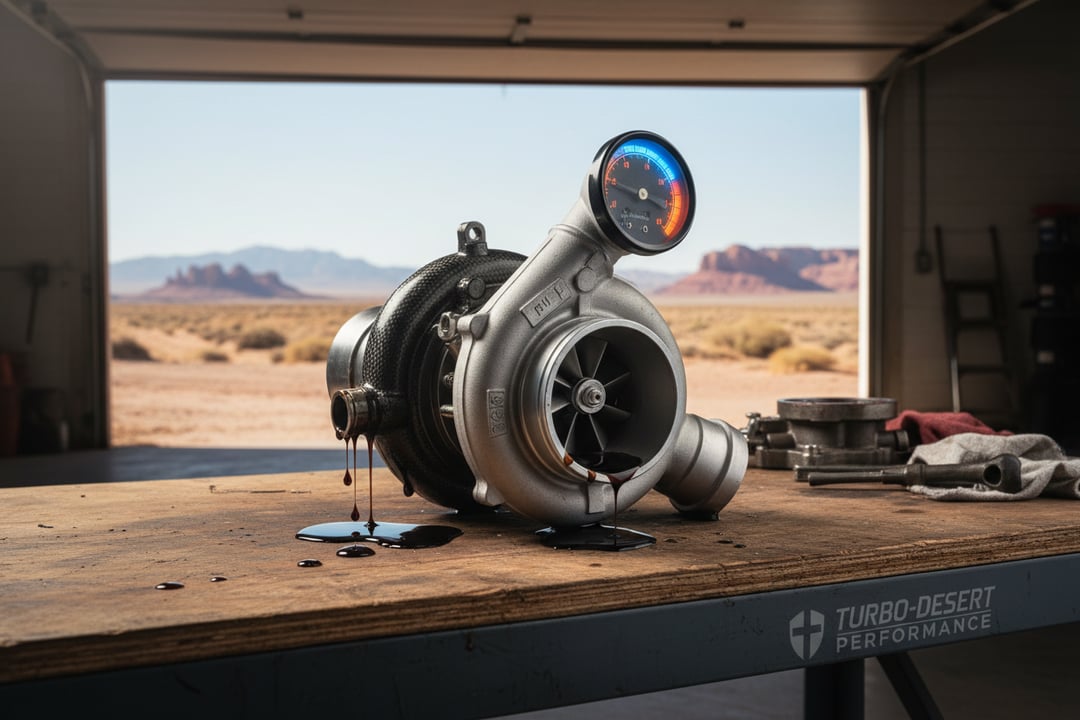
When you’re hunting a used turbocharged SUV in the UAE, the excitement of power can mask hidden wear. A spin might feel great, but the engine’s heart – the turbo – can be quietly losing efficiency. Below I walk you through the tell‑tale signs, the specific checks you should demand, and how AutoFay’s inspection packages make sure nothing slips past the test bench.
Why Turbo Engines Need Extra Scrutiny
Turbochargers run at up to 150,000 rpm, so any deviation in oil film, bearing clearance, or boost pressure shows up. A slight leak can cause the turbo to spin faster than designed, leading to premature wear. In the UAE’s hot climate, oil breakdown accelerates, making oil‑related failures more common on older turbos.
Because the turbo is a sealed unit, many problems are only visible through indirect symptoms – odd noises, smoke, or abnormal boost response. That’s why a thorough visual, diagnostic, and road‑test approach is non‑negotiable.
Turbo Lag – What It Tells You
Turbo lag is the delay between floor‑to‑floor throttle and actual boost build‑up. A healthy turbo should deliver boost within one to two seconds on a fresh pull. Excessive lag often points to worn turbine blades, clogged intercooler, or a failing wastegate.
During an inspection, ask the to perform a rev‑check while monitoring boost with a handheld gauge. If the boost climbs slowly or spikes erratically, the wastegate actuator or boost control valve may be compromised.
Oil Consumption and Turbo Bearing Health
Turbo bearings rely on a constant oil. Any drop in oil pressure or quality shows up as increased oil consumption or blue‑tinted exhaust. High mileage turbos often leak oil into the intake, creating a sticky residue on the intercooler and throttle body.
Check the oil level and condition on the dipstick; a milky appearance indicates coolant ingress, while a burnt smell signals overheating. AutoFay’s Engine checkpoint includes oil colour, level, and any smoke colour during a road test, catching these red flags early.
Detecting Boost Leaks and Exhaust Leaks
A boost leak lets pressurised air escape before it reaches the cylinders, reducing power and causing the ECU to lean out the mixture. Typical locations are cracked intercooler hoses, loose clamps, or a deteriorated charge pipe.
To spot a leak, the inspector will a light mist of soapy water around the intake tract while the engine is running at boost. Bubbles appear where air is escaping. Exhaust leaks behind the turbo can also introduce fresh air into the system, confusing the engine management.
Applying the Inspection Checklist to Popular UAE Models
The Ford Territory (2023 & 2025) and Honda HR‑V (2022) all feature factory‑fitted turbochargers in the UAE market. Each model has unique points where turbo‑related wear shows up.
| Model | Year | Turbo Type | Common Turbo Issues | Inspection Focus |
|---|---|---|---|---|
| Ford Territory | 2023 | Twin‑scroll turbo | Wastegate stickiness, intercooler hose cracks | Boost gauge response, wastegate actuator movement, hose integrity |
| Ford Territory | 2025 | Twin‑scroll turbo (updated sealing) | Oil consumption, turbo bearing wear | Oil level & colour, blue smoke check, turbo shaft play |
| Honda HR‑V | 2022 | Single‑scroll turbo | Boost leak at charge pipe, intercooler fouling | Soapy water leak test, intercooler visual inspection, OBD boost pressure codes |
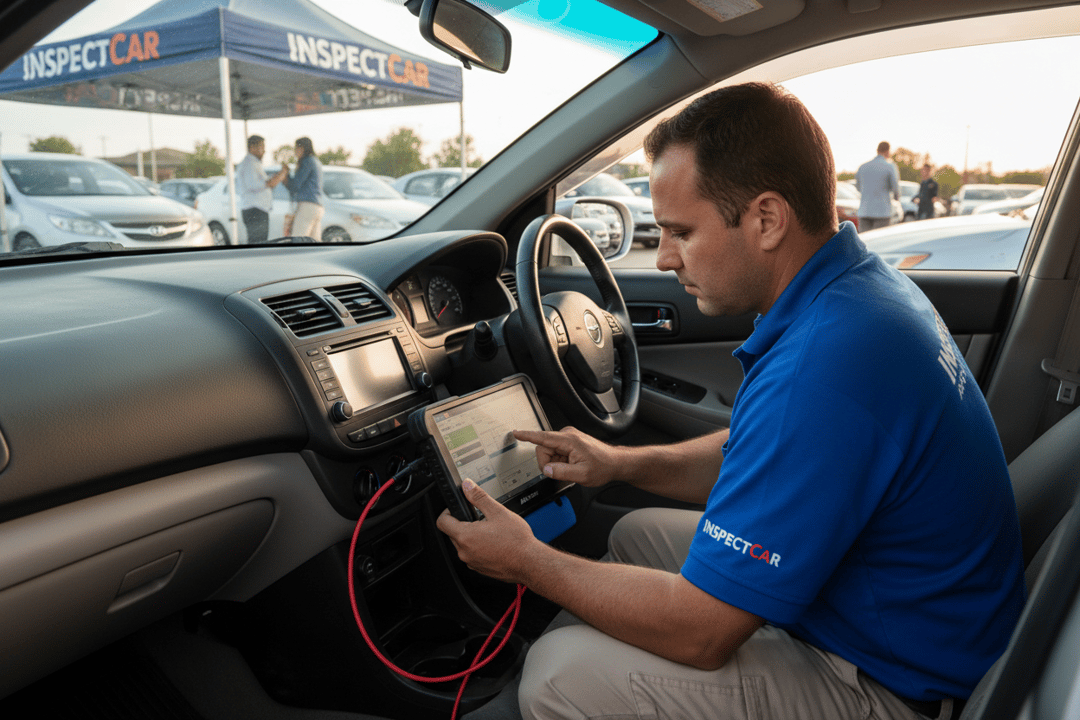
For each vehicle, AutoFay’s 410+ checkpoints span the engine, OBD scan, and road test. The Computer Diagnostic package at AED 99 catches boost‑related fault codes, while the Body & Computer package at AED 250 adds a visual check of hoses and turbo housing. The Comprehensive package at AED 299 includes a full road‑test, smoke analysis, and a detailed photo report of the turbo assembly.
How AutoFay’s Packages Cover Turbo Checks
- OBD Scan – Reads boost pressure, wastegate, and turbo temperature sensors for hidden error codes.
- Visual Inspection – Looks for oil stains on the intercooler, cracked hoses, and loose clamps.
- Road Test – Measures acceleration, boost build‑up, and listens for whine or whistling that indicates bearing wear.
- Fluid Analysis – Checks oil viscosity and colour, flagging overheating or coolant contamination.
- Photography – Captures HD images of the turbo, intercooler, and related components for your records.
Because turbocharged engines are more sensitive to heat and oil quality, skipping any of these steps can leave you with a costly repair later. A burnt turbo bearing can ruin the entire engine, while an undetected boost leak can cause chronic poor fuel.
Key Takeaways for the Savvy Buyer
- Insist on a boost gauge reading during a road test; a delay longer than two seconds signals potential wastegate or turbine wear.
- Ask for an oil condition check; dark, burnt oil often means the turbo is starving for lubrication.
- Request a leak test around the intercooler and charge pipe; bubbles are the quickest way to spot a boost leak.
- Choose the Comprehensive inspection if you’re buying a turbo model – it bundles OBD, visual, and road‑test data into one report.
By focusing on these turbo‑specific checkpoints, you turn a tempting power‑car into a well‑understood.
AutoFay inspects 410+ checkpoints with HD photos and PDF report. Book at autofay.ae or call +971542584458



0 Comments
No comments yet. Be the first to share your thoughts!