
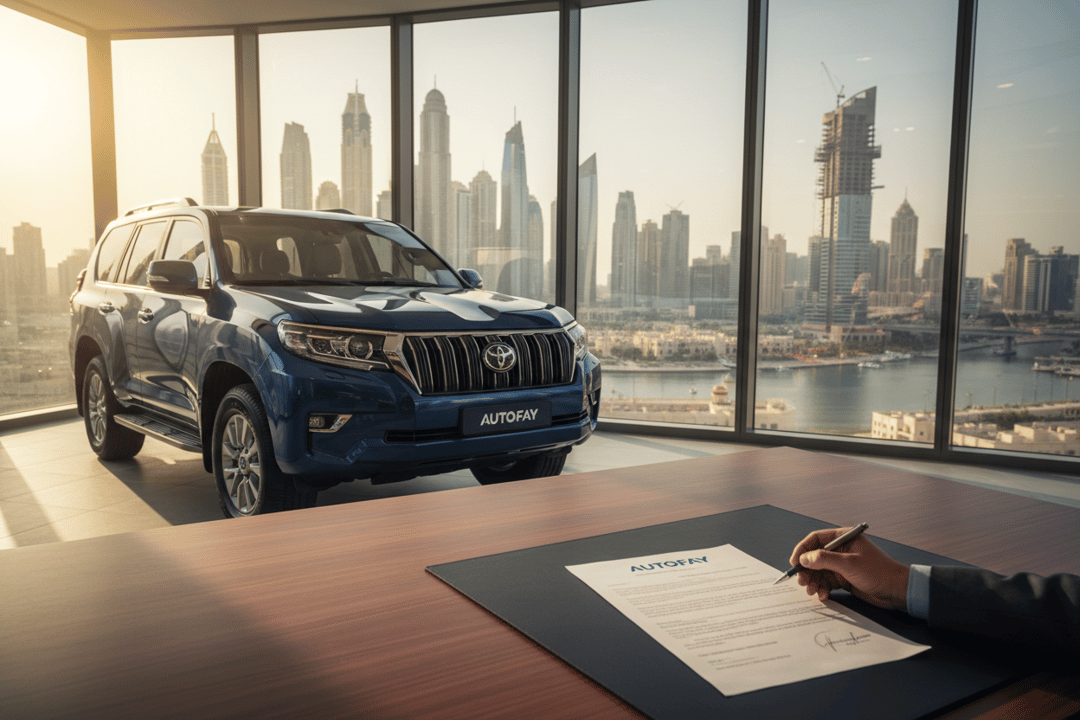
When you’re eyeing a used Ford Territory or a Honda HR‑V in Dubai, the first fork in the road is whether to lease or to. Both routes shape how much you spend each month, who carries the risk for repairs, and how easily you can swap the car later.
Why the Lease‑or‑ Question Matters in the UAE
Leasing keeps the vehicle off your balance sheet, so banks see a lower liability. Buying adds an asset that can be sold or traded, which can soften the impact of depreciation in a market where resale values swing with oil prices.
In a city where traffic jams are a daily habit, the choice also decides how often you can upgrade to a newer model without the hassle of a private.
Monthly Cash Flow: Lease Payments Loan Installments
A lease usually requires a modest upfront fee followed by a fixed monthly charge that covers depreciation and finance margin. A loan installment combines the vehicle’s, interest, and any optional add‑ons such as extended warranty.
Because a lease does not aim to transfer ownership, the monthly figure is often lower than a comparable loan for the same model.
- Calculate the lease rate you’re offered for a 2025 Ford Territory.
- Compare it with the loan payment for a 2023 Ford Territory of similar mileage.
- Factor in the expected residual if you plan to the car at lease end.
Flexibility and Ownership Rights
Leasing grants you the freedom to return the car after 24 or 36 months, provided you respect mileage caps and wear limits. Buying locks you into ownership, which means you can keep the car for as long as you like, but also forces you to manage the resale process.
If you anticipate a job move to another emirate, a lease can be transferred to a new driver with the leasing company’s approval, whereas a requires finding a buyer and handling paperwork.
- Leasing: easy exit, mileage limits, condition clauses.
- Buying: full control, no mileage ceiling, resale responsibility.
Insurance and Liability Differences
Most leasing contracts stipulate comprehensive coverage, because the lessor wants the car protected against all risks. When you, you can choose between third‑party, ‑and‑theft, or full coverage, depending on your.
Choosing a lower‑ policy for a purchased car may money but can expose you to large out‑of‑pocket expenses if a collision damages the chassis or electronics.
Who Fixes What? Maintenance Responsibility
Leased vehicles typically include a maintenance package or require you to follow the manufacturer’s service schedule to avoid penalties. For a bought car, the owner shoulders every oil change, brake pad replacement, and unexpected repair.
Neglecting a brake‑pad inspection can let the pad wear below 30 % thickness, which may cause reduced stopping power and damage the rotors – a repair that could thousands if it happens outside a warranty.
With a Honda HR‑V 2022, the suspension bushings are prone to wear in desert conditions; missing that symptom early can lead to uneven tyre wear and costly alignment fixes.
Three‑Year Bottom Line: Calculating Total
To gauge the true expense, add up the monthly lease or loan payment, insurance premium, routine maintenance, and any end‑of‑lease fees such as excess‑wear charges.
For a bought vehicle, also include the depreciation hit, which for a 2023 Ford Territory can be around 15 % of the after three years, plus the resale effort.
| Component | Leasing Impact | Buying Impact |
|---|---|---|
| Monthly cash outflow | Fixed, often lower | Higher, includes interest |
| Insurance requirement | Comprehensive mandatory | Choice of coverage |
| Maintenance | Often bundled or required to maintain condition | Owner‑paid, full control |
| Residual | Returned to lessor | Potential resale profit or loss |
| Early termination | Penalties may apply | No penalty, just market |
When you stack these elements, the lease may look for the first two years, but a well‑maintained can end up after you sell the car and recoup part of the depreciation.
How a Pre‑ Inspection Saves Money
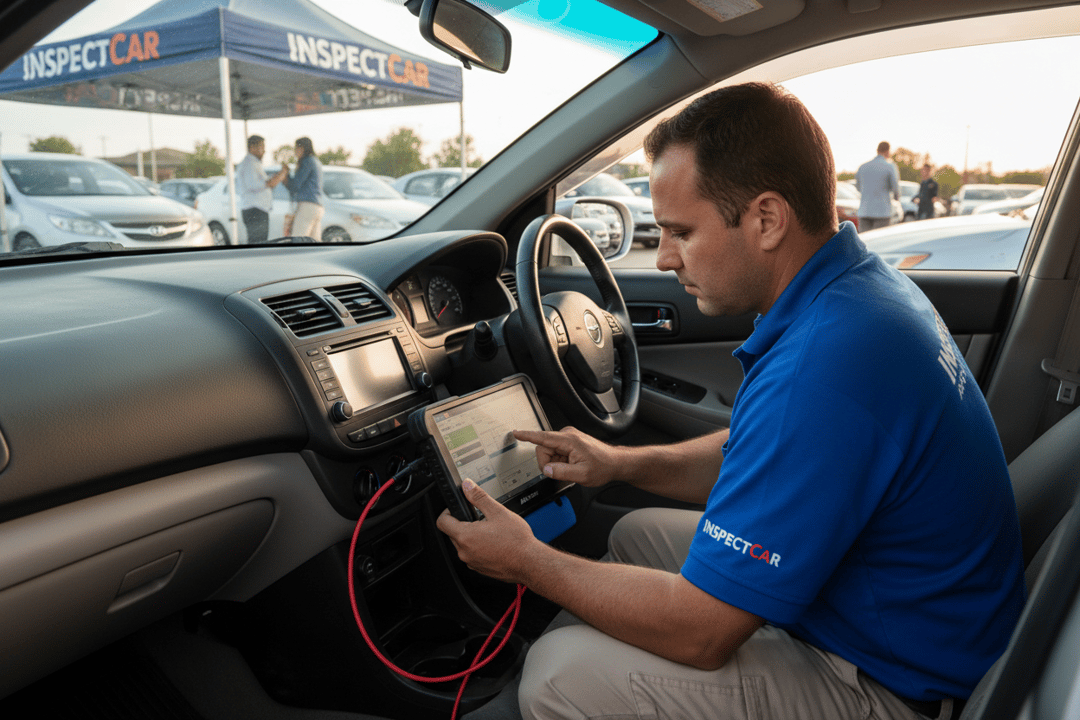
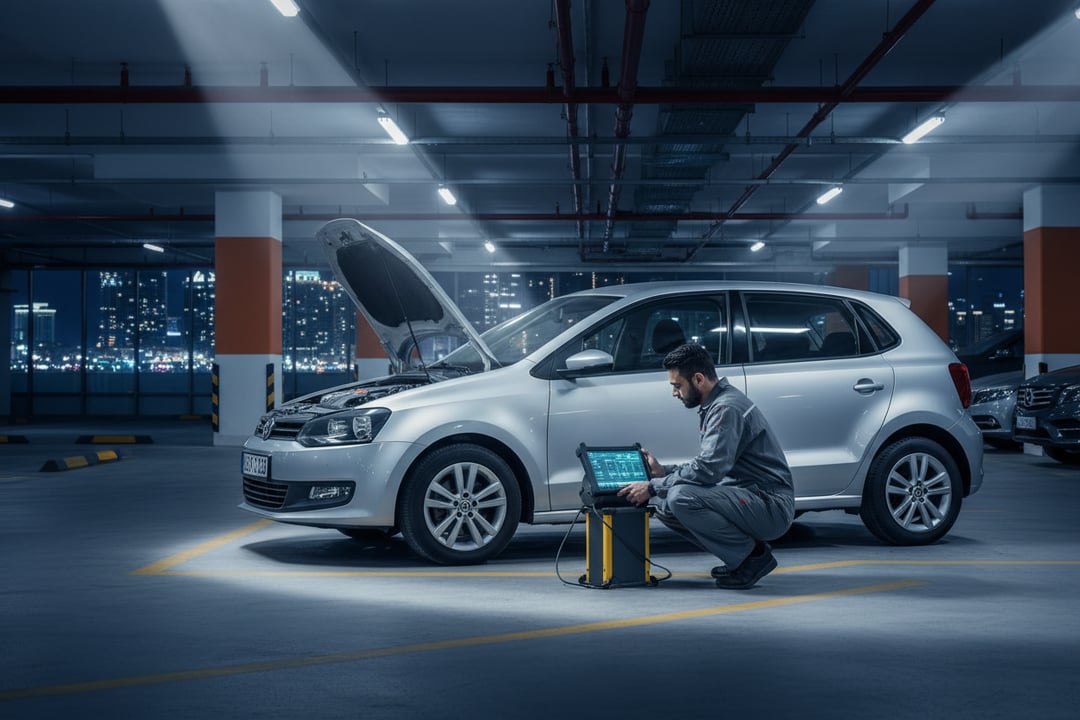
Before you sign any lease or agreement, a thorough inspection can reveal hidden problems that would otherwise become expensive repairs.
AutoFay offers three packages: Computer Diagnostic for AED 99, Body & Computer for AED 250, and Comprehensive for AED 299. Each package runs through over 410+ checkpoints, covering body paint, frame integrity, engine health, OBD codes, brake pad wear, suspension condition, tyre age, fluid quality, and a road test.
Discovering burnt transmission fluid during the diagnostic tells you the gearbox could fail within months, prompting you to renegotiate or walk away.
Finding rust on the floor pan in a 2023 Ford Territory signals structural corrosion that may compromise crash safety and require costly panel replacement.
Spotting uneven tyre wear on a Honda HR‑V points to misaligned suspension, which if ignored can damage steering components and lead to a premature tyre blowout.
Practical Steps Before You Commit
1. Request a full AutoFay inspection using the package that matches your risk tolerance.
2. Review the PDF report with HD photos to verify the condition of critical components.
3. Use the inspection findings to negotiate lease terms, warranty extensions, or a lower.
4. Factor the inspection into your total three‑year expense calculation – it’s a small for avoiding a hidden fault.
AutoFay inspects 410+ checkpoints with HD photos and PDF report. Book at autofay.ae or call +971542584458


0 Comments
No comments yet. Be the first to share your thoughts!