
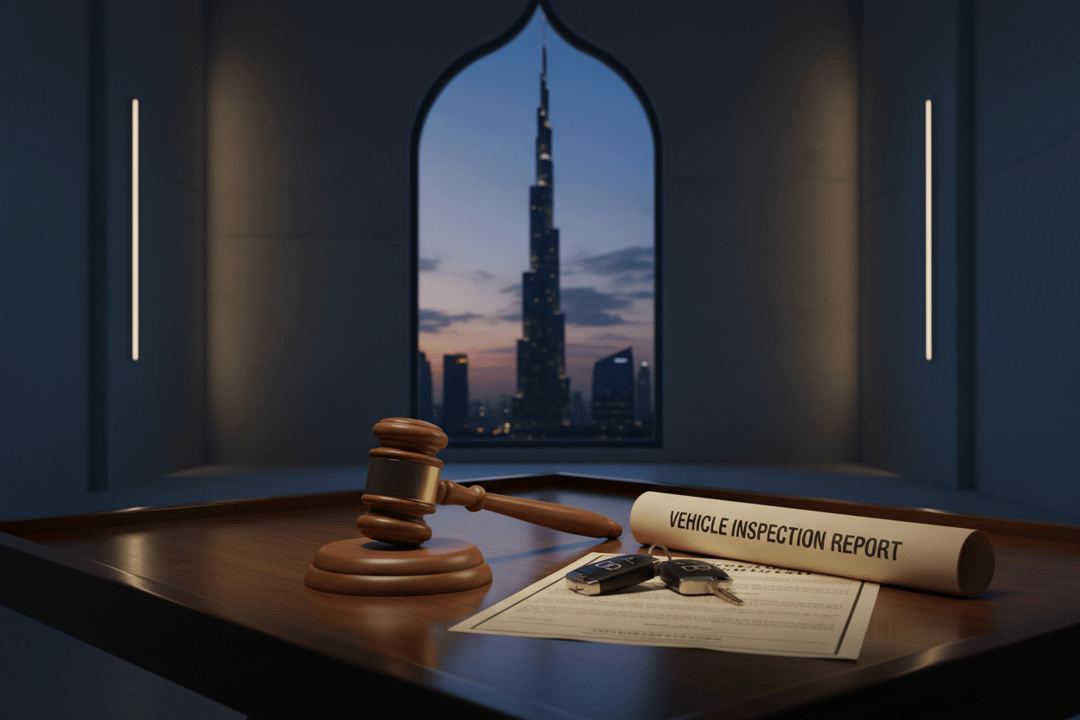
Buying a used car at Emirates Auction feels like a high‑stakes poker game, but the odds improve dramatically once you know the rules, the bid mechanics, and what to look for under the hood.
Understanding the Emirates Auction Process
The auction runs three times a week in Dubai, Abu Dhabi, and Sharjah, and each session lists hundreds of vehicles ranging from fleet‑light to luxury models. All cars appear on the online catalogue with a brief spec sheet, but the catalogue never shows hidden damage, mileage tampering, or after‑market parts.
Because the auction is a public, the buyer must be a registered member, have a valid Emirates ID, and hold a clear driving licence. Failure to complete registration means you cannot place a bid, and the auctioneer will any on the spot.
How to Register and Your Bid Number
- Visit the Emirates Auction website and click the “Member Registration” link.
- Upload a scanned of your Emirates ID, driving licence, and a recent utility bill for address.
- Pay a notable sum membership fee; the payment is locked to your account for the entire auction season.
- Attend the on‑site desk on the day of the auction, present the documents, and collect your unique bid number.
- Log in to the live bidding platform using the bid number and a password you set during registration.
Keep your bid number confidential; anyone who knows it can place a proxy bid on your behalf, potentially draining your pre‑approved.
Bidding Strategy for First‑Time Buyers
Set a hard ceiling before you walk onto the auction floor; the adrenaline rush can push you past a sensible limit in seconds. A good rule of thumb is to add no more than 10 % to the vehicle’s market after you have accounted for inspection costs.
Observe the early rounds to gauge the pace of the auctioneer. If the lot moves quickly, wait for a slower vehicle where you can control the final increments being forced into a rapid climb.
Use the “max‑bid” function sparingly; it locks you into a predetermined amount that the system will automatically raise in set steps. If you are comfortable with manual bidding, you can stop the escalation at the last second and force a ‑war between other bidders.
Vehicle Condition Categories at the Auction
Cars are classified into three main categories: Agency, Comprehensive, and Salvage. Agency vehicles have been owned by corporate fleets or government agencies and usually come with a full service history.
Comprehensive cars are private‑owner vehicles that have passed a basic mechanical check but may have cosmetic wear or minor repairs. Salvage units have suffered significant damage and are sold “as‑is”.
For example, a 2025 Ford Territory listed as “Agency” will likely have a clean frame, paint, and a documented service log. A 2023 Ford Territory marked “Comprehensive” may show signs of paint touch‑ups or minor suspension wear, while a 2022 Honda HR‑V under “Agency” should have panels and a mileage.
| Condition Category | Typical Inspection Focus |
|---|---|
| Agency | Body/panel originality, frame integrity, OBD codes, engine noise |
| Comprehensive | Paint repairs, brake pad wear, suspension bushings, fluid condition |
| Salvage | Structural damage, extensive rust, transmission fluid discoloration |
Key Inspection Points for the Ford Territory and Honda HR‑V
The Ford Territory’s 2025 Agency model demands a panel‑by‑panel paint check; any repaint indicates a possible collision that may have affected the frame rails. A cracked windshield or mismatched colour on the roof can also hint at prior repairs.
For the 2023 Comprehensive Territory, concentrate on the brake system; the pad % rating should be above 50 % to avoid premature replacement. Inspect the suspension for worn bushings, as a noisy ride often originates from deteriorated control arms.
The 2022 Honda HR‑V Agency version requires a thorough OBD scan; hidden fault codes in the ABS or airbag modules can reveal electronic gremlins that only surface after thousands of kilometres. Check tire manufacturing dates; tires older than five years can fail suddenly even if the tread looks acceptable.
Arranging a Pre‑Auction Inspection with AutoFay
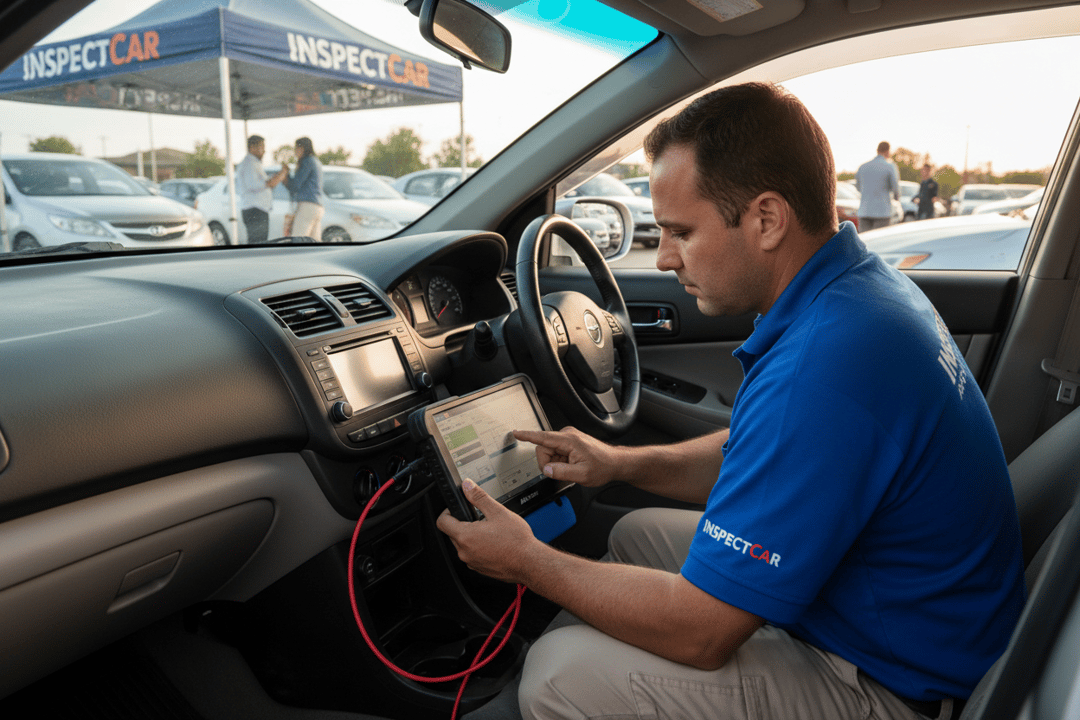
AutoFay offers a on-location inspection that travels to any of the seven Emirates, bringing a mechanic and diagnostic tools directly to the auction lot.
- Computer Diagnostic – AED 99 – reads engine, transmission, ABS, and airbag codes.
- Body & Computer – AED 250 – adds panel‑by‑panel paint analysis and frame rail checks.
- Comprehensive – AED 299 – covers all 410+ checkpoints, including fluid condition, road test, and detailed photography.
Choosing the Comprehensive package before the auction day gives you a full picture of the vehicle’s health. If the inspection uncovers burnt transmission fluid, the gearbox could fail within months, forcing an expensive rebuild that the auction won’t cover.
AutoFay’s report includes high‑definition photos of every inspected area and a PDF summary that you can present to the auctioneer or use for post‑ negotiations.
Putting It All Together on Auction Day
Arrive early, bring your bid number, and review the AutoFay PDF for each vehicle you plan to target. Cross‑reference the inspection findings with the auction catalogue to spot discrepancies such as a “clean” title a discovered frame crack.
When the lot you want appears, bid confidently within the range validated by the inspection. If a competitor pushes the beyond the you set, walk away – the same model will appear in the next session, often at a more realistic.
After the hammer falls, request the full service history and any additional paperwork the seller can provide; these documents reinforce the findings from your AutoFay inspection.
AutoFay inspects 410+ checkpoints with HD photos and PDF report. Book at autofay.ae or call +971542584458



0 Comments
No comments yet. Be the first to share your thoughts!