
Driving in Al Ain means your car spends most of its life under scorching sun, on loose sand, and with occasional dust storms. Those conditions accelerate wear on the cooling system, force sand into vulnerable engine bays, and test the durability of suspension components. Knowing what to look for before you sign the paperwork can you from costly breakdowns later.
Why Al Ain’s Desert Environment Tests a Car Harder
The desert temperature often 45 °C, pushing radiators and coolant pumps to their limits. High ambient heat reduces the temperature gradient that a radiator relies on, meaning any blockage or low coolant level will cause the engine to run hotter faster. Sand particles act like tiny abrasives, grinding on exposed metal and infiltrating seals, which can lead to premature leaks.
Dust storms deposit fine particles on brake rotors, reducing friction and causing uneven wear. the constant exposure to UV radiation fades paint and weakens plastic clips, making body‑panel inspections essential. A vehicle that looks clean on the surface may hide corrosion on the underbody, especially around the frame rails.
Cooling System Checks – The First Line of Defense
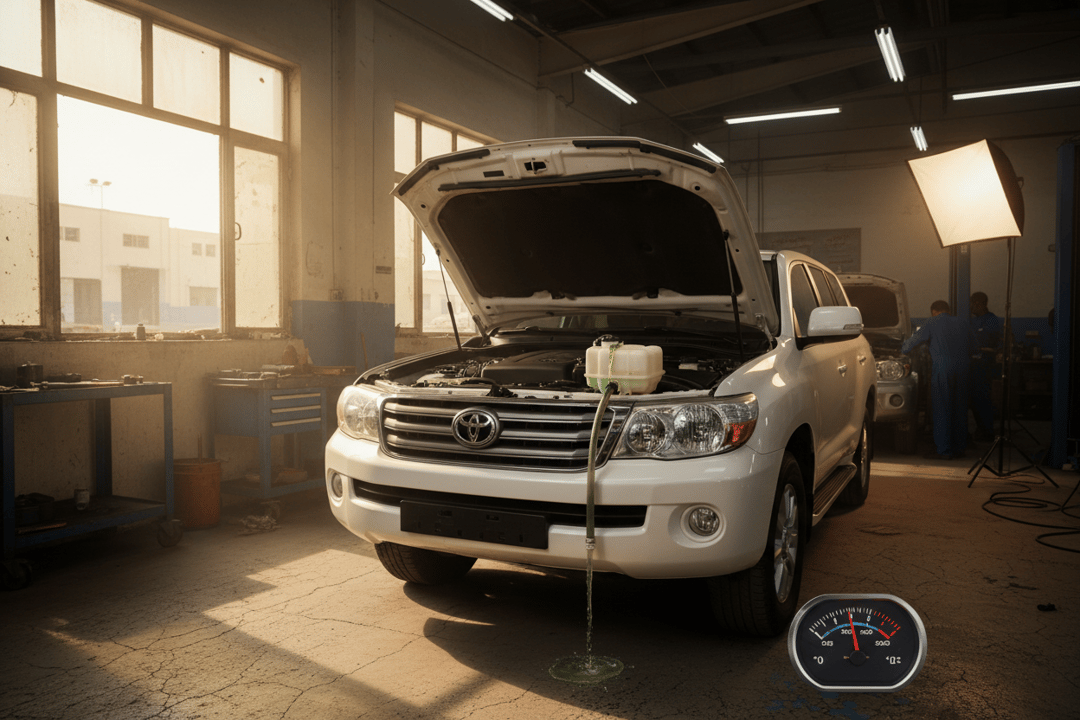
Because overheating is the most common failure mode for desert‑driven SUVs, a thorough cooling system audit should be the first item on any inspection checklist. Verify coolant level, color, and concentration; milky or rust‑colored fluid indicates coolant degradation or a breached head gasket.
Inspect the radiator for sand‑induced clogging; a simple pressure test will reveal reduced flow. Examine the water pump bearings for abnormal noise, which often precedes pump failure under high‑heat conditions. Finally, confirm that the electric fan engages at the correct temperature threshold; a delayed fan can let the engine exceed safe operating limits within minutes of a stop‑and‑go jam.
Sand Intrusion: Hidden Damage Under the Hood
Sand can travel through the air intake, settle on the throttle body, and wear the camshaft lobes over time. A clogged air filter forces the engine to draw more sand, accelerating wear on pistons and cylinder walls.
Check the valve cover gaskets for sand grit; compromised seals allow sand to reach the oil pan, contaminating the lubricant. Look for excessive carbon deposits on spark plugs; they often indicate a mixture that is too rich because sand restricts airflow.
On the drivetrain, sand can erode the differential breather vent, causing moisture accumulation and bearing wear. A visual inspection of the under‑carriage for sand buildup on suspension bushings can predict future alignment issues.
Model‑Specific Red Flags
Ford Territory 2025 (Agency trim) features a dual‑zone climate system that adds extra cooling load. Verify the operation of both evaporator fans and the refrigerant charge; low charge forces the engine to work harder, raising coolant temperature.
For the 2023 Ford Territory (Comprehensive trim), the larger turbocharged engine generates more heat. Ensure the intercooler is of sand and that the coolant bypass valve opens correctly under boost conditions.
The Honda HR‑V 2022 (Agency trim) uses a compact cooling circuit. Check the coolant expansion tank for cracks, as sand‑filled cracks can cause sudden coolant loss during a desert drive.
All three models share common inspection points: brake pad thickness, suspension wear, and OBD codes for temperature sensors. A missing or delayed sensor reading often signals wiring harness corrosion caused by sand ingress.
How AutoFay’s 410+ Checkpoints Reveal What Others Miss
AutoFay evaluates each vehicle against 410+ checkpoints across 25 categories, capturing every detail from frame integrity to fluid condition. The on-location inspection travels to all seven Emirates, so you can schedule an inspection at the seller’s location in Al Ain.
Three ‑tiered packages let you choose the depth of analysis:
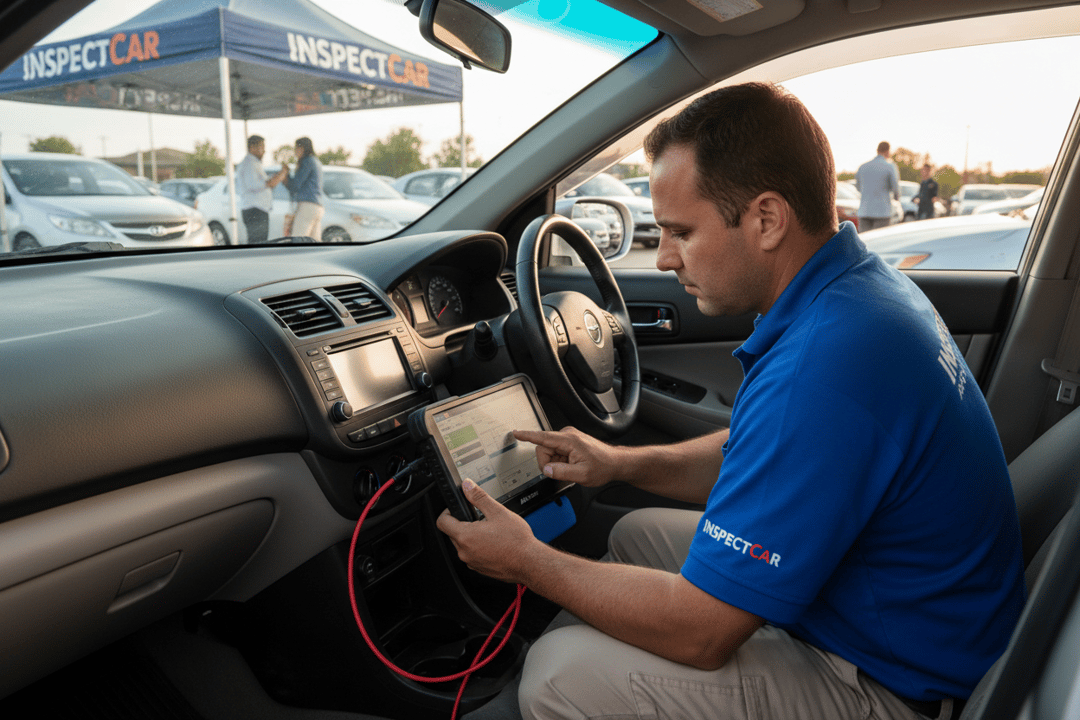
- Computer Diagnostic – AED 99: OBD scan for engine, transmission, ABS, and airbag codes.
- Body & Computer – AED 250: Adds panel‑by‑panel paint assessment, frame rail inspection, and coolant system visual check.
- Comprehensive – AED 299: Covers every checkpoint, including road‑test performance, brake pad rating, tire age, and full cooling system pressure test.
The following table summarizes typical cooling‑system failures and their downstream effects:
| Failure | Consequence |
|---|---|
| Low coolant level | Engine overheating within minutes, leading to warped head gasket. |
| Clogged radiator | Reduced heat dissipation, causing coolant boil‑over and possible coolant pump burnout. |
| Faulty fan relay | Fan fails to engage, raising engine temperature during idle, which can shorten turbo lifespan. |
| Contaminated coolant | Corrosive particles eat away radiator fins and water pump impeller. |
Beyond the cooling system, AutoFay checks brake pad wear (reporting the remaining percentage), suspension bushings (rating for play and cracking), and tire manufacturing date to ensure the rubber has not hardened under desert heat. Each checkpoint is photographed in HD and compiled into a PDF report for your records.
When you request an inspection for a Ford Territory or a Honda HR‑V, the technician will start with the cooling system, then move to the air intake, under‑carriage, and finally the electronic modules. This ordered approach mirrors how heat and sand travel through the vehicle, catching issues before they become catastrophic.
AutoFay inspects 410+ checkpoints with HD photos and PDF report. Book at autofay.ae or call +971542584458



0 Comments
No comments yet. Be the first to share your thoughts!